OKLAHOMA CITY – November is National Diabetes Awareness month, raising the profile of a condition that remains a major medical concern in Oklahoma, with the American Diabetes Association estimating over 390,000 Oklahomans with diagnosed diabetes and an additional 93,000 living undiagnosed.
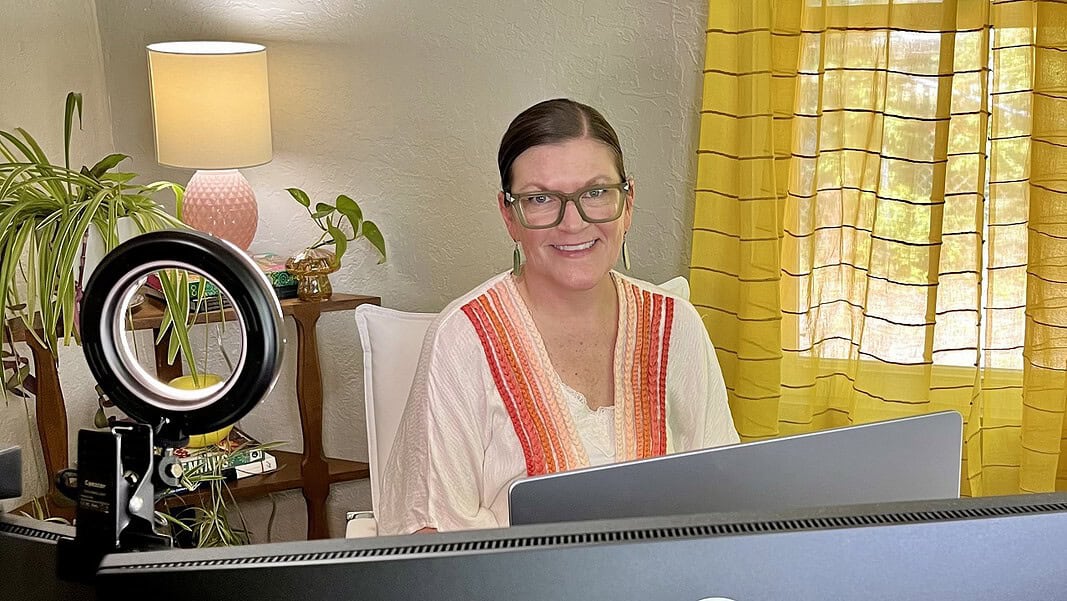
Enter Norman-native Amber Clour, host of the Real Life Diabetes podcast, who works for change by leveraging media and advocating for people with diabetes in Oklahoma and beyond.

While many children receive balloons and toys on their eighth birthdays, Clour found herself rushed to the hospital just days after. Soon, she was diagnosed with type 1 diabetes (T1D). At the time, T1D was described to her as a near-death sentence.
Yet this year, Clour celebrated her 42-year “diaversary”––42 years since her diabetes diagnosis. She details the experience, along with her candid and gratitude-focused approach to life, in her blog post I Wasn’t Supposed to Get Here: 50, 42, and Still Standing.
“I’m a perfect example of what life can be like if you really do manage the disease,” said Clour.
Connection through conversation
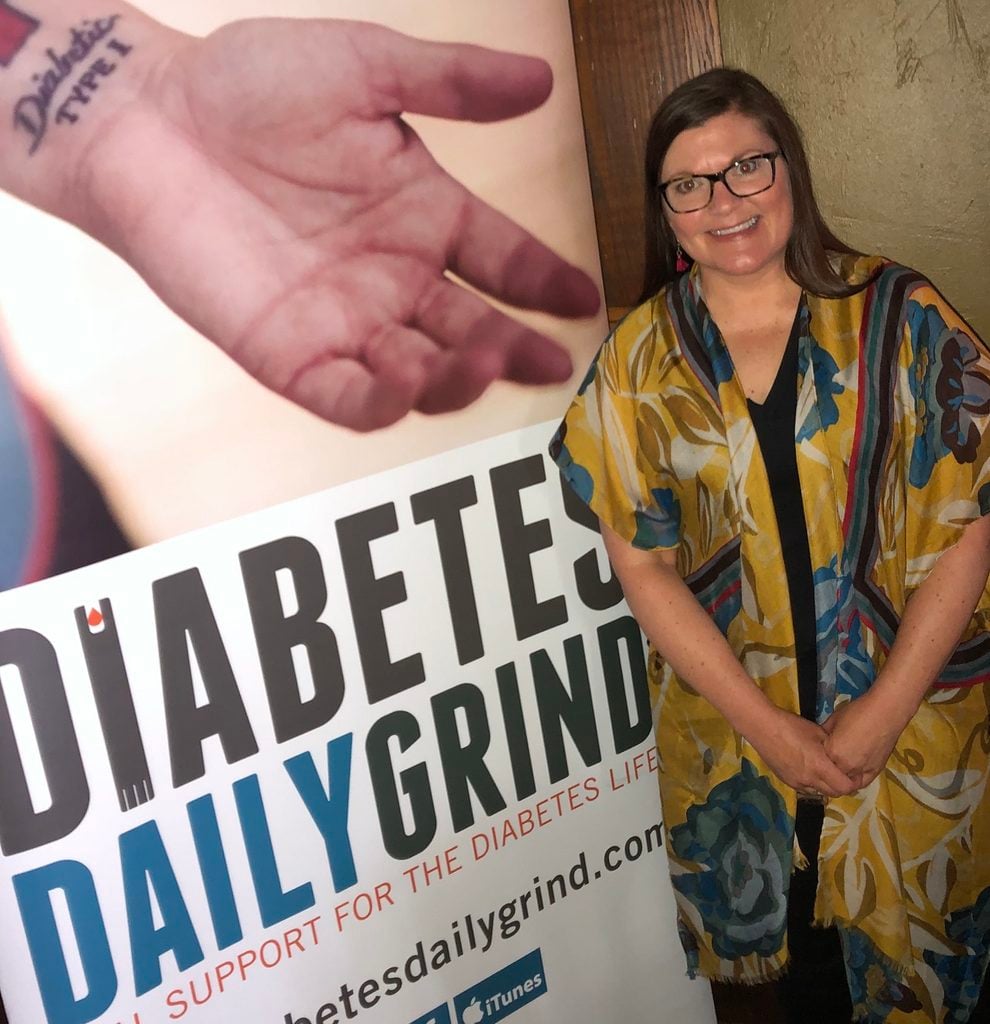
Clour’s blog is part of the resources found on the Diabetes Daily Grind website. Over 12 years ago, she co-founded the nonprofit and the Real Life Diabetes podcast with Ryan Fightmaster, author, essayist, and copywriter from OKC who also manages T1D.
“That’s what made me realize connectivity is something I’ve been missing my whole life,” she said. “If I was experiencing these things, somebody else was as well…That was the pivotal moment, when I found someone to connect with.”
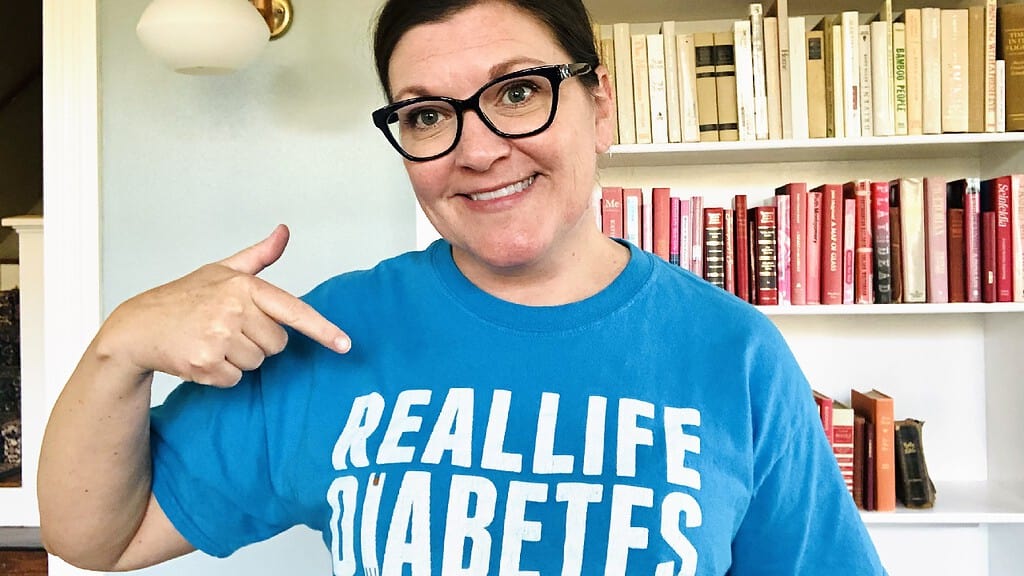
In 2014, Clour’s drive to connect with the diabetes community and have real conversations about living with the condition found a digital home, first in blogging, then podcasting. To date, the Real Life Diabetes podcast has nearly 160 episodes that feature content applicable to all people living with diabetes. Episodes cover a broad range of topics including travel, athletics, advocacy, medical perspectives, parenting children with diabetes, diabetes in animals, and more.
“The [podcast’s] called Real Life Diabetes because it’s the good, the bad, the ugly, and anything you want to talk about,” said Clour. “It’s not scripted. I tell my podcast guests going in, I want to have a conversation like we’re sitting at happy hour––a real conversation about life and whatever that looks like.”
Growth to international reach
Through these conversations, Clour continually learns new information from her guests. And as the podcast’s reach continues to grow, more listeners learn from the ever-growing episode library.
“We started reaching out to people on social media, and we were flooded with questions and comments from other people living with diabetes,” said Clour. “They wanted the connectivity. They wanted to have the conversation. A lot of comments that came back were, ‘I had an aha moment. I never thought I could do it like this.’”
In Real Life Diabetes’ early years, Clour watched the stats daily and was shocked if anyone listened. Today, the podcast attracts listeners from all 50 states and over 140 countries, with Real Life Diabetes at one time even ranked as the number one diabetes-related podcast in the world. This international reach has cracked open Clour’s curiosity to learn more about what diabetes life is like across the globe, such as in India or Ethiopia.
“If I were to travel anywhere in the world right now, I would have a friend,” she said.
Regardless of where one lives, independent media, podcasts, and personal storytelling not only cross geographic and cultural borders, but can play powerful roles in changing public perceptions of disability.
Clour recommends embracing honesty as a means for moving diabetes awareness forward.
“It’s these honest conversations and advocacy efforts that actually push things,” she said. “The patient’s voice is incredibly important, and all these organizations are starting to realize that and are bringing us to the table to make real change.”
Addressing challenges
Clour’s advocacy for the diabetes community extends beyond podcasting. Today, she’s involved in diabetes-centered organizations and initiatives in Oklahoma and at the national level. Through her extensive experience, Clour pinpoints critical issues facing the diabetes community, including Medicaid.
“Medicaid coverage for people living with type 1 diabetes is a challenge,” said Clour. “I’ve been fighting for six years to make sure that all insulin pumps are covered under Medicaid, because every patient is different, and we deserve individualized treatment.”
She also describes significant activism being directed toward Medicare and seniors, who can time out regarding a diabetes diagnosis, due to a variety of issues such as documentation or insurance eligibility. In such cases, people may face the additional obstacle of having to prove again that they have a TD1 or TD2 diagnosis.
Clour also recognizes how mental health challenges can happen alongside managing a chronic health condition, and the unique challenges of living with invisible disabilities. She feels both topics can be discussed more openly.
“For a person living with type 1 diabetes in particular, it can be seen as a silent disability because you can’t see it visually unless you see my devices or I start beeping,” said Clour. “Suffering in silence is a big part of many disabilities, if it’s not a visual thing.”
Forward progress
In Oklahoma, Clour sees positive trends for the diabetes community happening in education, specifically with 504 plans, which formally outline the accommodations and support services students with disabilities need to take part in general education. One example is individuals managing diabetes may need unrestricted opportunities to consume snacks or drinks, such as during exams, to manage blood sugar.
“Oklahoma is very serious about the 504 plan for children in school and making sure that they are able to have a regular education, just like everyone else with a disability,” said Clour. “Type 1 diabetes interrupts [education] often.”
Oklahoma also has a chapter of Breakthrough T1D, a nonprofit dedicated to supporting individuals diagnosed with type 1 diabetes through resources, advocacy, and influencing public policy. Clour is also an active member of the Oklahoma Diabetes Legislative Caucus (OLDC), which she describes as one of the most active U.S. caucuses advocating for forward progress.
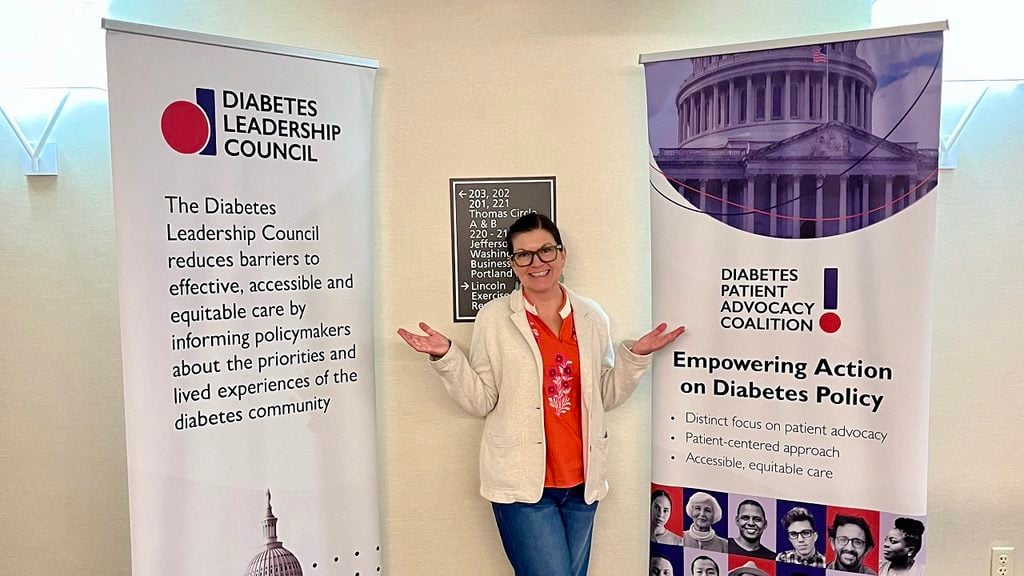
At the national level, Clour recently visited Capitol Hill to discuss multiple diabetes-related initiatives. She collaborates with Diabetes Patient Advocacy Coalition (DPAC), an organization that works with people with diabetes to influence policy at the federal and state levels. She encourages people with diabetes, and those with any disability, to do research and find the top local, statewide, or national organizations supporting their condition.
At the same time, Clour wishes more people understood the nuances of diabetes.
“I have no family history [of diabetes]; it’s not that I ate too much sugar,” she said. “There are so many misconceptions…just give yourself a little bit of grace. There’s nothing we did to deserve this, and do what you can. I encourage you to have a voice, speak up for yourself in your doctor’s office, and be a person to lean on if somebody else is having a bad day.”

Erin Schalk serves as a professional writer, visual artist, voice narrator, and accessibility-centered educator. She is the recent recipient of multiple Writer’s Digest awards and the Armed Services Arts Partnership’s National Scholarship. She has also received a Best of the Net nomination. Schalk’s work has appeared in Wordgathering, Stirring Lit, Parentheses International Literary Journal, The Petigru Review, and numerous other publications. She also received her MFA from the School of the Art Institute of Chicago.