OKLAHOMA CITY – September is Deaf Awareness Month, offering an opportunity to examine how accessible communication is for Deaf and hard-of-hearing people in Oklahoma City.
Speaking with members of the city’s Deaf community revealed a picture of communication access – the equal and effective means of sending and receiving information – that has improved in recent years, but remains inconsistent.

Respondents described gaps in interpreter access and communication resources, limitations of video remote interpreting (VRI), and a need for greater understanding of diverse communication needs.
Progress and persistent gaps
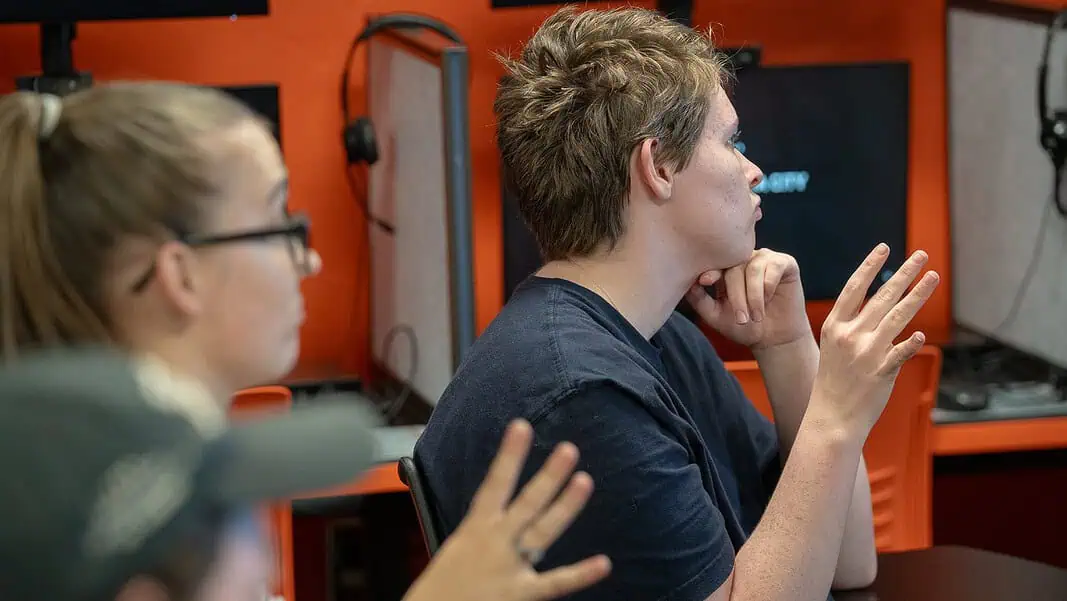
Jennifer Fannon, OSU-OKC American Sign Language (ASL) Lab Technician and ASL Instructor, became Deaf at 13 months old after meningitis. She recalls life before and after the Americans with Disabilities Act (ADA) was passed in 1990 and describes having meaningfully more access to communication options in the decades since.
But barriers remain.
At the local level, Fannon believes OKC has made progress, while noting that organizations still need greater understanding of Deaf culture. Too often, Deaf people find themselves educating service providers their rights to communication access protected by law, or are expected to facilitate their own communication by bringing a family member or interpreter.
“Access can depend on the organization, the individual employee, and how knowledgeable they are about Deaf people’s communication needs,” said Fannon. “Sometimes people assume that writing notes, using a phone, or providing automatic captions is always sufficient. Those methods may work in some situations, but they are not necessarily equivalent to direct communication in ASL.”
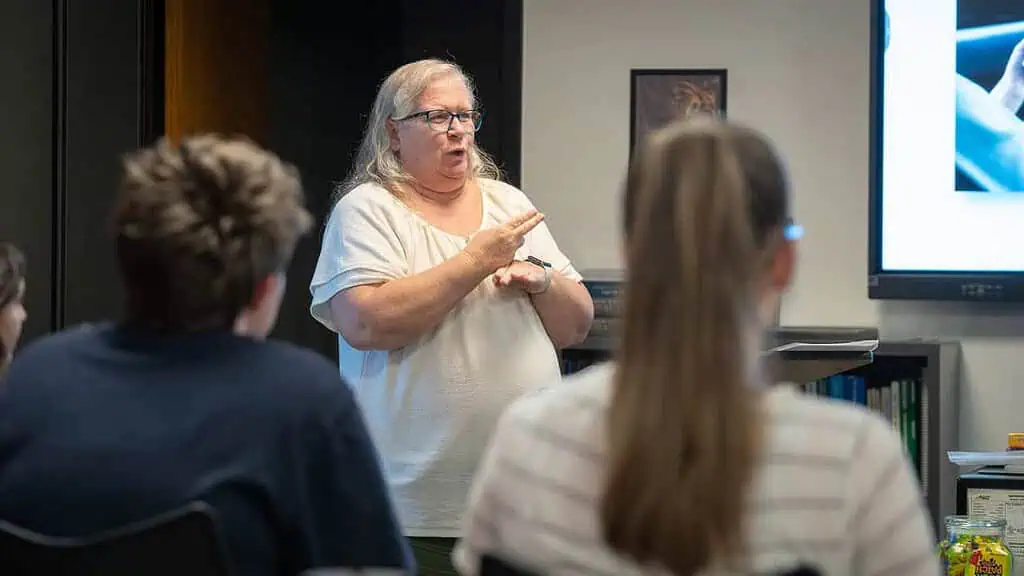
Fannon identifies key starting points: provide qualified ASL interpretation, consistent access to captioning, and effective communication options tailored to individual needs.
Diverse entry points to communication
With communication access, it’s important to recognize that each person’s path to language acquisition is unique.
A Deaf individual may have grown up with Deaf parents and ready access to ASL from an early age, while others may have had hearing parents who varied in their awareness of and ability to support their child’s language acquisition. Some parents may have been highly involved in supporting their child’s language development, while others may have had less information or resources available to them, or may not have recognized their child’s need for accessible language right away.
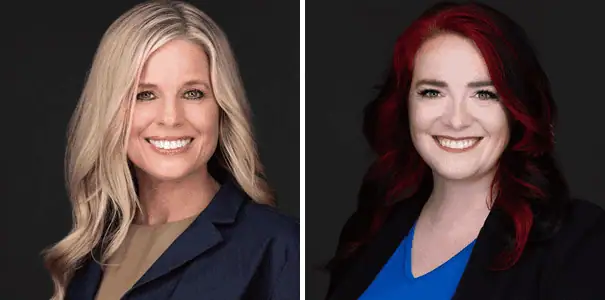
Sign Language Resource Services, Inc. (SLRS), provides on-site and virtual ASL interpretation across Oklahoma, and they connected Free Press with Rachel Hollis*, Deaf interpreter (a professional interpreter who is also Deaf), and Krysta Figueroa, hearing interpreter (someone who can hear and interpret spoken language to ASL).
Together, they explained why access to multiple communication pathways is critical.
“Deaf individuals come from diverse language backgrounds and have varying communication needs,” said Hollis. “Some use American Sign Language (ASL) fluently, while others may rely on home signs, atypical signs, gestures, or different forms of communication. Additionally, some Deaf individuals may have immigrated to the United States and use other signed languages or may not utilize any language at all. Others might not have had full access to ASL during their upbringing, leading to experiences of language deprivation.”
For those who prefer American Sign Language, it’s crucial to understand that English and ASL are not interchangeable, and a Deaf person may need communication resources that go beyond translating English into ASL.
“A lot of people think ASL is English on the hands, but that’s not the case,” said Figueroa. “It is very much its own language with its own grammar, structures, and rules. It’s a visual language, versus English being auditory.”
In certain situations, having a Deaf and a hearing interpreter working together is important. The hearing interpreter can sign communication from a hearing person to the Deaf interpreter. Then, the Deaf interpreter provides that information in an accessible way to the Deaf person. When the Deaf person replies, the Deaf interpreter communicates their message to the hearing interpreter, who translates this information for the hearing person into spoken words.
Working as a team, Deaf and hearing interpreters can promote effective communication, navigate specific cultural and linguistic needs, and reduce the risk of serious communication errors.
“Deaf interpreters can be especially valuable in these situations because they are skilled in recognizing and adapting to a wide range of signing styles and communication preferences,” said Hollis.
She further explained:
“One way to understand the need for this is to consider spoken languages. Spanish, for example, has regional variations. A person from Mexico and a person from Spain may use the same language but have differences in vocabulary, expressions, and regional usage. Similarly, Deaf people can have different language backgrounds, life experiences, signing styles, and communication needs. This becomes especially important in situations involving complex or sensitive information, such as healthcare. If English is not your first language, you may not feel comfortable discussing an in-depth health issue with someone you have difficulty understanding.”
Communication equity in medical settings
In healthcare, communication access is critically important, as errors can have devastating consequences.
Both Hollis and Figueroa described significant barriers they’ve encountered in medical environments, where patients’ inability to fully understand a diagnosis, procedure, or emergency situation affects not only their health but their ability to make informed decisions about their care.
Since COVID-19, many medical providers have shifted to video remote interpreting (VRI) rather than in-person interpreters. However, key nonverbal cues and context can be missed during remote communication — a particular concern in complex medical situations.
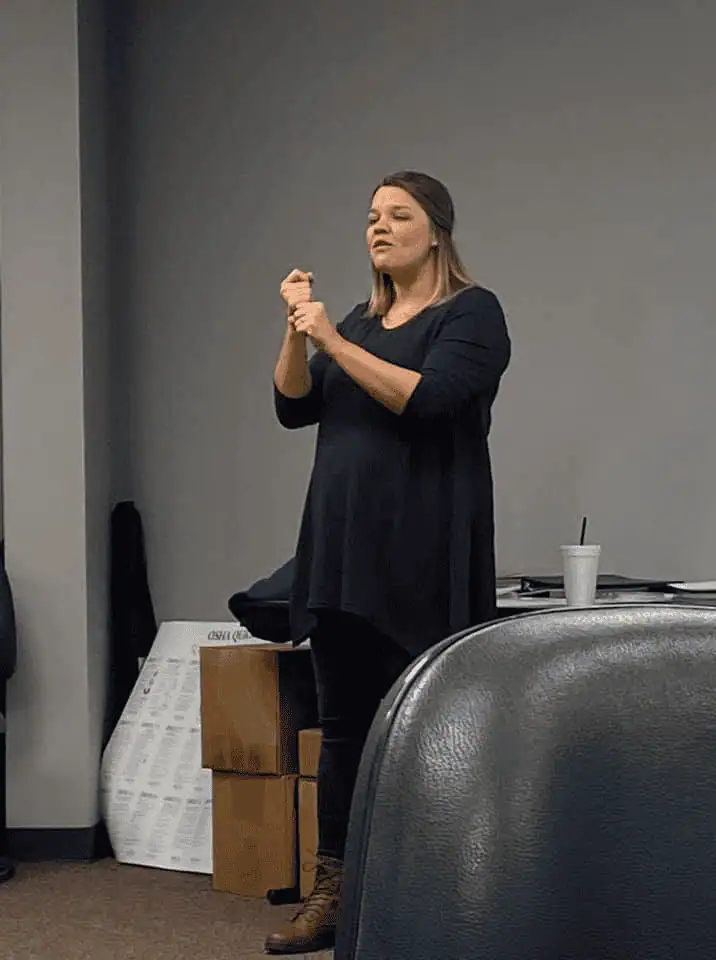
“Using a VRI can be challenging due to lack of environmental awareness for the interpreters,” said Hollis. “While the virtual interpreter can see the Deaf person on the screen, they may not fully understand the surrounding environment or context. Also, if a serious health or mental crisis situation occurs, the video connection may not work effectively, and the interpreter may not have sufficient access to respond appropriately, which can potentially make the situation worse.”
The difference that in-person interpretation can make is significant. Figueroa described working with a patient who had not been meaningfully involved in their own medical appointments until the clinic secured in-person interpreters.
“Once [this patient] got an interpreter in the room and was able to communicate in their primary language, it was like the whole world opened up,” Figueroa said. “They were able to understand their diagnoses, medicine, everything. I will always remember how happy both that patient and the clinic were to finally have this patient be able to take part in their own health journey.”
How Mercy Oklahoma Communities is responding
Michael Kimball, Media Relations and Communications Manager at Mercy Oklahoma Communities, described how they work to meet the needs of Deaf and hard-of-hearing patients. Available tools include assistive listening devices, telecommunication devices, closed-captioned TVs, and virtual ASL interpretation through LanguageLine.
“Beyond providing communication accommodations, Mercy caregivers are trained to make sure it’s as easy as possible to communicate,” said Kimball. “We minimize environmental distractions, face the patient at eye level, speak with clarity and volume, and have other communication tools at the ready like whiteboards, communication sheets, and informational handouts.”
Patient feedback is collected through email, online forms, text messages, and more, with a response from a Mercy caregiver within three business days.
“Our patient experience team reads every single review and message, and we’re continuously learning from the feedback to make improvements,” said Kimball. “We track our results over time and do our best to ensure we’re always getting better.”
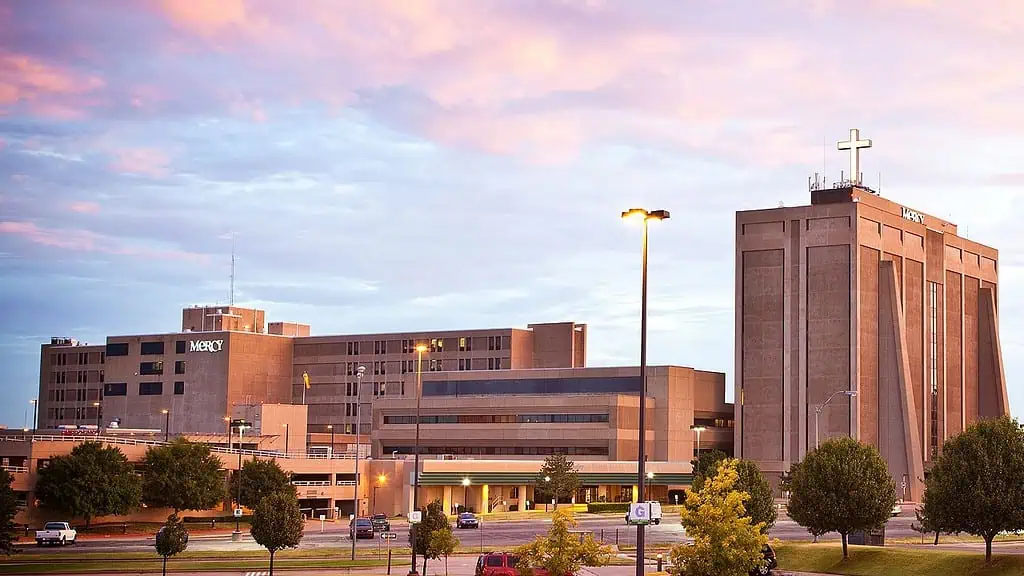
In recognition of Deaf Awareness Month, Mercy recently shared “Frank’s Prayer,” a video featuring ASL and captions, which was read at the hospital and shared with all Mercy caregivers.
The prayer asks to better celebrate and support the Deaf and hard-of-hearing communities. It also emphasizes the importance of gratitude, diverse perspectives, and building an inclusive environment where everyone is valued.
Emergency situations and technology
Emergency contexts present especially acute communication access challenges. In a medical, fire, police, or similar emergency, there may not be time to determine a communication strategy before critical moments are lost. Appropriate supports need to already be in place.
Free Press spoke with Roshea Reininger, who explains she was born profoundly Deaf, has a Deaf spouse, and three Deaf and hard-of-hearing children. She is also a Deaf Education teacher at Townsend Elementary in Del City, and she’s affiliated with Oklahoma City Association of the Deaf, where her husband Johnny Reininger serves as President.
Reininger advocates that emergency personnel learn basic methods of communication access.
“Knowing some basic signs and understanding how to use gestures, writing, texting, pictures, and other visual communication tools could help [emergency personnel] gather immediate information until a qualified interpreter is available,” said Reininger. “Basic signs should never replace a qualified interpreter, especially when important medical, legal, or safety information is being discussed. However, having emergency personnel who understand basic communication strategies could make a huge difference during those first critical moments.”
Technology also offers some solutions. Text to 911, a service now available in Central Oklahoma, allows people in emergency situations to text dispatchers for help — an crucial option for Deaf and hard-of-hearing individuals who may not be able to make a voice call.
For Reininger, improving communication access also extends beyond any single technology or accommodation.
“I want the people around me to understand that accessibility isn’t an extra — it gives Deaf and hard-of-hearing people the opportunity to participate equally,” said Reininger. “Most importantly, I think about our future generations. Deaf people before me fought for access that helped make my life better, and my generation still has work to do. I want my children, my students, and the Deaf children who come after them to experience better communication access than what I experienced growing up.”
*This article has been updated and edited to better reflect the comments and insights of Rachel Hollis, who originally spoke to Free Press through an ASL interpreter. Her comments have been clarified and expanded for accuracy where necessary.

Erin Schalk serves as a professional writer, visual artist, voice narrator, and accessibility-centered educator. She is the recent recipient of multiple Writer’s Digest awards and the Armed Services Arts Partnership’s National Scholarship. She has also received a Best of the Net nomination. Schalk’s work has appeared in Wordgathering, Stirring Lit, Parentheses International Literary Journal, The Petigru Review, and numerous other publications. She also received her MFA from the School of the Art Institute of Chicago.