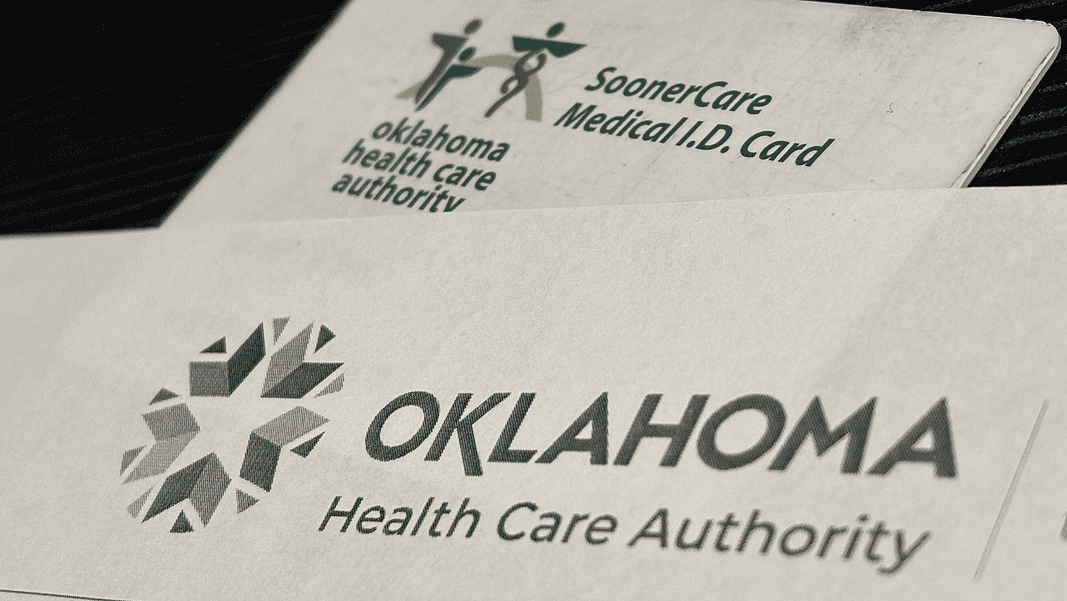

OKLAHOMA CITY – Major changes to Medicaid are set to go into effect on January 1, 2027, a move that will impact the nearly 1 in 4 Oklahomans that receive SoonerCare.
While a U.S. District Judge recently blocked aspects of the Trump administration’s intended Medicaid work requirements – including demanding proof of “medical frailty” – some experts in Oklahoma continue to express concerns that vulnerable individuals could lose coverage.
If so, they say the consequences in health outcomes, along with the strain on medical facilities, could be severe.
Judge’s ruling and ‘medically frail’ definition
As a result of H.R. 1, also known as the “One Big Beautiful Bill Act,” Medicaid changes include eligibility and screening requirements related to 80 hours of work per month or other qualifying activities for recipients between ages 19 – 64.
The Oklahoma Health Care Authority has estimated approximately 126,000 Medicaid recipients under age 65 may be affected by the new work requirements. Moreover, Medicaid recipients will also be required to renew eligibility every six months, rather than annually.
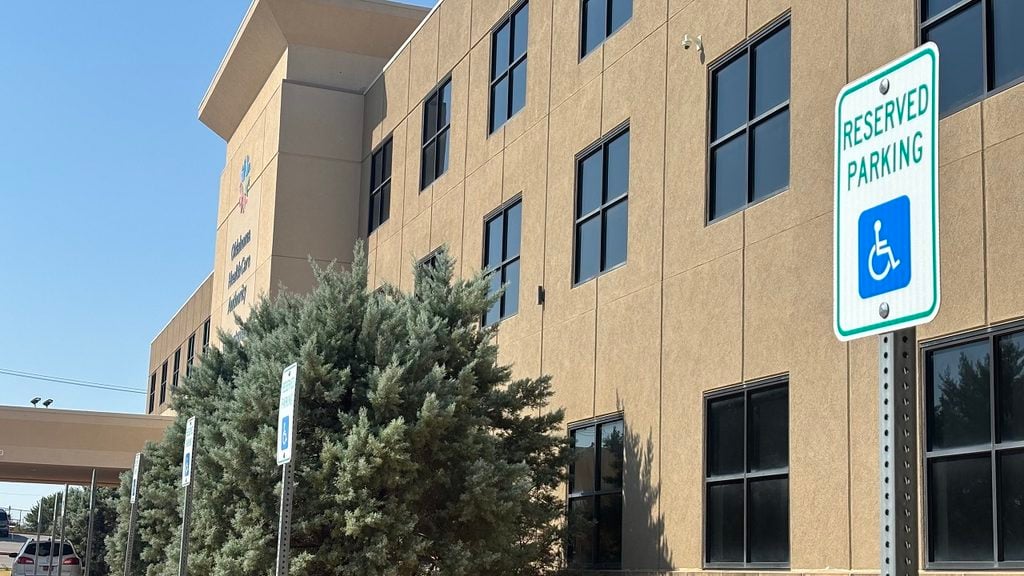
In June, 25 U.S. states, plus the District of Columbia, sued the Trump administration over the new Centers for Medicare & Medicaid Services (CMS) guidance outlined in H.R. 1. On October 29, 2026, U.S. District Judge Richard Stearns gave partial victory to this case, calling out the Medicaid work requirement rule referring to individuals considered to be “medically frail.”
Free Press spoke with Maggie Martin, Chief Legal Officer of the Oklahoma Hospital Association, to learn more about the significance of this recent ruling.
“[Judge Richard Stearns] found that [Centers for Medicare & Medicaid Services (CMS)] went beyond its authority by narrowing the definition Congress had already set in law,” said Martin. “That law doesn’t require beneficiaries to prove that a qualifying condition significantly impairs their ability to meet the community engagement requirements. Oklahoma wasn’t one of the states that sued. At the time of the ruling, it wasn’t clear whether the injunction covers non-plaintiff states, and CMS can still appeal.”
“Medically frail” includes individuals who are blind or disabled, have disabilities that affect daily living, significant mental illness, struggle with substance use disorder, and/or manage serious or complex medical conditions. Stearns’ ruling will make it easier for those who are medically frail to qualify for an exemption from Medicaid work requirements, which still remain law.
“These are some of the most vulnerable people in our state,” said Martin. “Making it harder for them to keep their Medicaid coverage only disrupts their continuity of care. With the more restrictive standard now blocked, fewer eligible beneficiaries should lose coverage. If applied in Oklahoma, this decision means some of our most vulnerable patients are less likely to lose Medicaid coverage because of burdensome paperwork.”
As states prepare to implement the work and proof of eligibility requirements in January 2027, experts in Oklahoma recommend steps state policymakers can take to protect access to critical health services, as even brief coverage gaps can produce devastating consequences.
Martin explained patients who experience gaps in coverage may delay preventative screenings and follow-up appointments. Others may be unable to continue receiving prescription medication.
As a result, health conditions can worsen, and patients may have little recourse but to seek care through emergency systems. Since hospitals are required to care for patients regardless of their ability to pay, treatment for advanced-stage conditions can be significantly more costly compared to early intervention.
Medicaid recipients & navigating administrative red tape
While Stearns’ ruling enables some individuals to more easily receive exemptions and retain their Medicaid benefits, others may not be as fortunate. Some may struggle to navigate administrative processes, gain access to medical documentation, and meet reporting requirements.
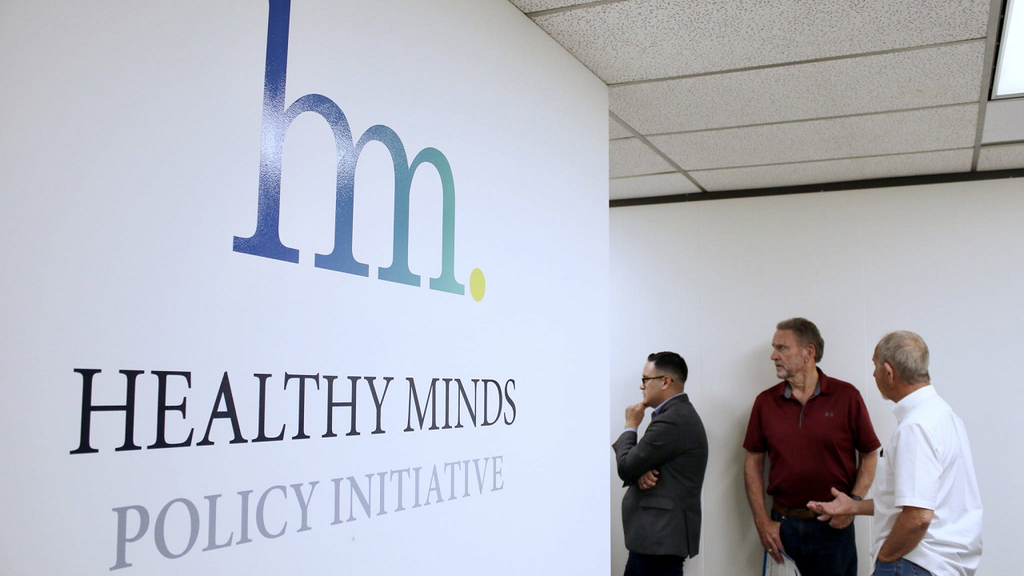
Vanessa Contreras, Director of Regulatory and Finance Policy at Healthy Minds Policy Initiative, spoke about the kinds of Medicaid recipients who may be at risk.
“A lot depends on how broadly states and courts interpret the definition of ‘medically frail,’” said Contreras. “People with undiagnosed or unreported mental health conditions may have a hard time meeting work or community engagement requirements, but if they don’t have documentation of those conditions, they may not be able to receive an exemption.”
Even for individuals who can document health conditions that qualify for an exemption, the shift from providing Medicaid eligibility from annually to every six months poses risks for losing coverage. More reporting requirements can increase the likelihood of incomplete paperwork, bureaucratic delays, or missed deadlines.
“To cut down on those unnecessary coverage losses, we would like to see Oklahoma take steps to automate more eligibility checks, which would reduce administrative burden for people on Medicaid and for the state,” said Contreras. “What that looks like is using verified data that already exists to proactively check whether enrollees are meeting work requirements or qualify for an exemption.”
Contreras shared an example: studying a minimum of 80 hours per month qualifies for meeting Medicaid work requirements. Rather than requiring individual students receiving Medicaid to continually prove their eligibility, an agency could check a public university’s records to confirm enrollment.

Another key consideration is short-term hardship exceptions. States may offer these exemptions for individuals who are subject to Medicaid work requirements if they manage specific circumstances. Some examples include those who have to travel outside their home community for medical care, and those living in a county with unemployment rates beyond the national average.
“Oklahoma is also allowing all short-term hardship exceptions the law allows, though two still need federal approval,” said Contreras. “Not all states are doing this, so this is important. Short-term exemptions could be important for members who don’t meet the medically frail exemption. For example, if someone who does not meet the medically frail exemption experiences a psychiatric crisis and requires inpatient hospitalization, that would qualify them for a short-term exemption from work requirements, preventing loss of coverage.”
Medicaid resources for SoonerCare recipients
As January 1, 2027 rapidly approaches, Contreras shared Medicaid resources to help SoonerCare recipients stay informed:
- FAQ: How federal changes to Medicaid will affect mental health services in Oklahoma
- Oklahoma Health Care Authority’s (OHCA’s) exemptions list
- OHCA’s work requirements screener (questionnaire on the right)
- CMS Announces a Hold Harmless Period to Strengthen Medicaid Work Requirement Systems and Improve Beneficiary Experience
How OK medical professionals can support continuity of care
Since patients often first learn about coverage changes through healthcare providers, Martin provided a guide for how medical professionals, clinics, and hospitals can better support Medicare patients, including those who may be at risk for losing coverage:
- Know the process. OHCA’s work requirements page explains the exemptions and how to show compliance. Patient-facing staff should understand that OHCA checks its records first. If it lacks information, it sends a notice listing the documents needed.
- Make sure diagnoses are documented and coded. Because OHCA relies on existing data, complete and accurate diagnosis coding on claims helps qualifying patients be identified as exempt without extra paperwork.
- Build it into existing workflows. Financial counselors, registration staff, social workers and community health workers can ask patients whether they received a notice from OHCA, encourage them to update phone, address, and email at MySoonerCare.org, and help them respond by their deadline. After an adverse determination, members have thirty days to demonstrate compliance.
- Use OHCA’s materials. OHCA offers a Stakeholder Toolkit, a Work Requirements Flyer (PDF), and free posters that hospitals can display in waiting areas, emergency departments and clinics.

Erin Schalk serves as a professional writer, visual artist, voice narrator, and accessibility-centered educator. She is the recent recipient of multiple Writer’s Digest awards and the Armed Services Arts Partnership’s National Scholarship. She has also received a Best of the Net nomination. Schalk’s work has appeared in Wordgathering, Stirring Lit, Parentheses International Literary Journal, The Petigru Review, and numerous other publications. She also received her MFA from the School of the Art Institute of Chicago.