
OKLAHOMA CITY – The Oklahoma State Fair has long brought together Oklahomans to share in traditions built around food, entertainment, exhibits, and community, but for people with disabilities and their families, participating in these traditions can hinge on whether their accessibility needs are anticipated and addressed.
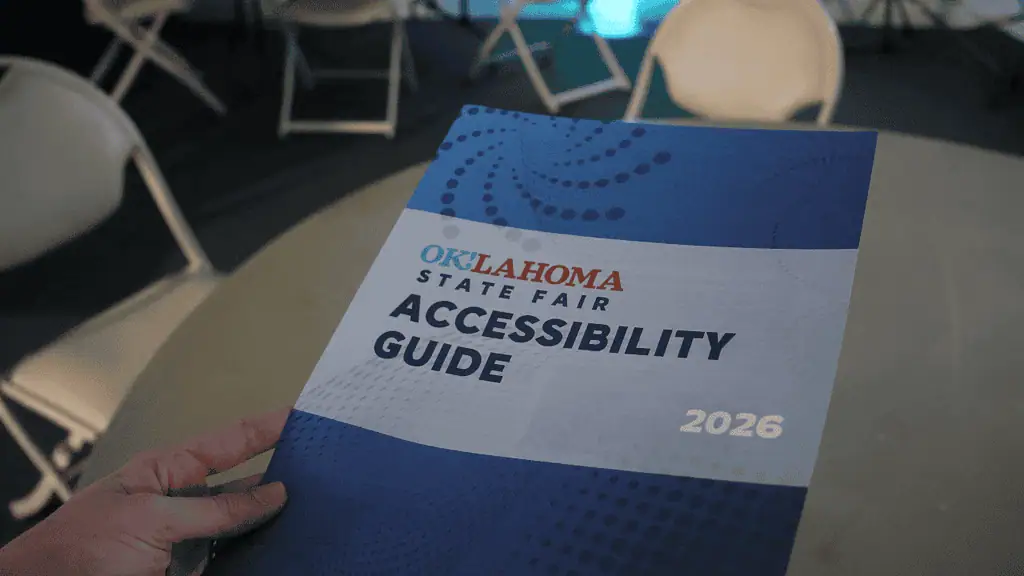
For 2026, in response to attendees’ feedback, the Fair has expanded accessibility resources and partnered with organizations to address access gaps.
A few years ago, State Fair organizers say they recognized the need to take a closer look at potential gaps in services. Based on attendees’ feedback, they identified two critical areas for improvement: an ADA-compliant, fully accessible restroom, and sensory-regulation options for neurodivergent guests.
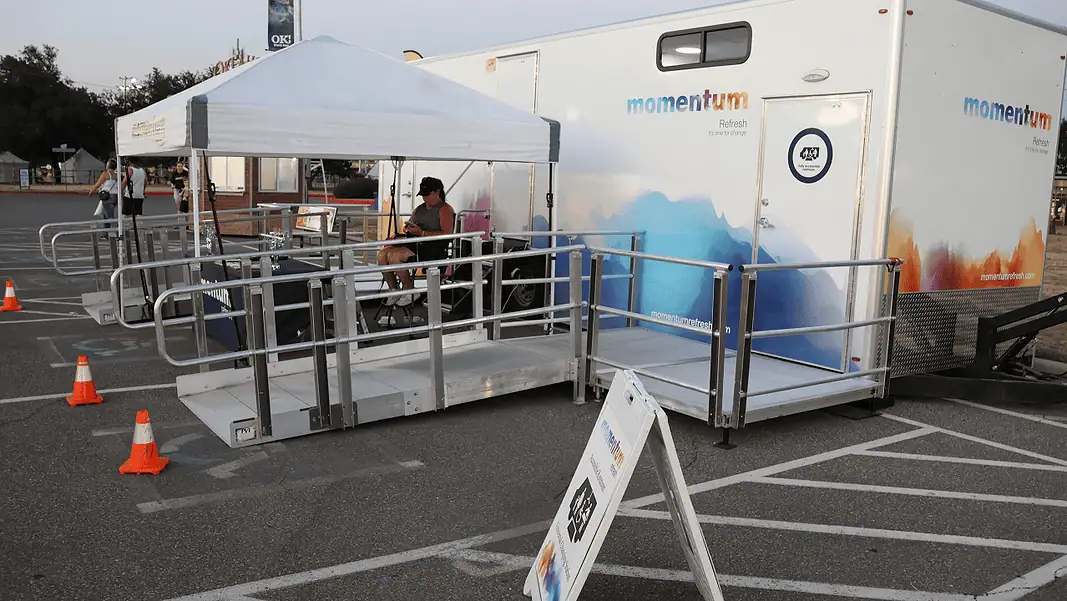
Intent on finding solutions, Executive Director Gina Burchfiel and the State Fair team soon partnered with disability-centered organizations, including Square Holes Neurodiversity Consulting, Oklahoma Developmental Disabilities Council, which works to improve services and resources for Oklahomans with disabilities and their families, and Momentum Refresh, a first-of-its-kind mobile restroom designed around universal accessibility.
“We put our heads together to figure out how we would handle some of our [accessibility] challenges, and it’s a large challenge,” said Burchfiel. “The Fair is a large operation with over 600 vendors and lots of entertainment activities. We’ve addressed some of the challenges one-by-one as they come to us, and each year, we make it a goal to continue to ask our public what they think and what they need, and we keep bringing service elements to the Fair, one year at a time.”
Restroom access & Momentum Refresh
For the third consecutive year, the OK State Fair is providing Momentum Refresh, a mobile restroom facility and universal changing space. Refresh is a Los Angeles-based organization with a national reach that, in 2025 alone, supported over 15,000 visitors at events across 71 cities and 11 states. Their facilities are the result of multiple years of research on intentional restroom design that goes beyond ADA compliance.
Momentum Refresh consists of two spaces: an accessible restroom, and a sensory calming space and lactation room. The restroom includes several key features, including a height-adjustable, adult-sized changing table; a height-adjustable sink; a ceiling hoist on a track system; and adjustable grab bars. The facility is also temperature-controlled, providing greater comfort and relief for visitors and their family members.
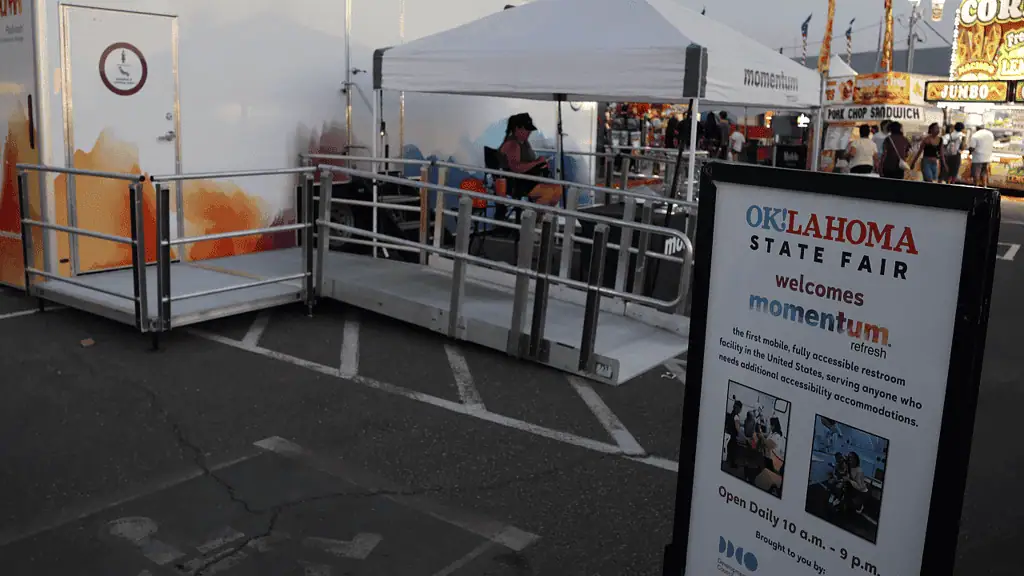
Access to a universally designed restroom can make the difference whether an individual and their family are able to enjoy a day at the fair. For families with specific restroom needs, visiting can require difficult planning and compromises, from limiting their time at the Fair to trying to find a private place to provide necessary care. Ultimately, these alternatives can come at the expense of privacy, comfort, and dignity.
“We want it to be as accessible and inclusive for everyone,” said Dan Lusk, Executive Director, Momentum Refresh. “Whether that’s a person with an intellectual disability, a veteran who may have experienced a disability, seniors, others who are aging, or others with limited mobility, and their families and caregivers, we want them to be able to have the same opportunities that everyone else does.”
Jenifer Randle, Executive Director of the Developmental Disabilities Council of Oklahoma, explained how accessible restroom access is also an important lifespan issue.
“I remember an older woman saw Momentum Refresh at the Fair, and she said, ‘usually when I’m at the State Fair, I just don’t drink anything,’” said Randle. “With Oklahoma temperatures, you can’t do that. But, with Momentum Refresh, she didn’t have to worry about that. She could use the facilities that she needed and keep hydrated.”
For Lusk, the number of people using the mobile restroom each year at the Fair illustrates how providing those resources can affect not only comfort, but participation.
“The first year we were there, we served about 500 people in our mobile restroom,” said Lusk. “Last year, that number jumped to 925 people––almost doubled. What this really tells us is when people with disabilities know their needs are going to be met, they show up, they stay all day, and they get to enjoy the event just like everyone else would.”
Additional State Fair accessibility resources
Momentum Refresh is part of the State Fair’s wider accessibility initiative.
After recognizing the need for increased sensory supports for the neurodivergent community and individuals with sensory sensitivities, the 2026 Fair will provide three designated Calming Spaces: at the Arts Annex, the Momentum Refresh trailer, and near Gate 9. These designated quiet areas allow individuals experiencing sensory overload to rest in a quiet, low-stimulation environment until they feel ready to return to the Fair festivities.
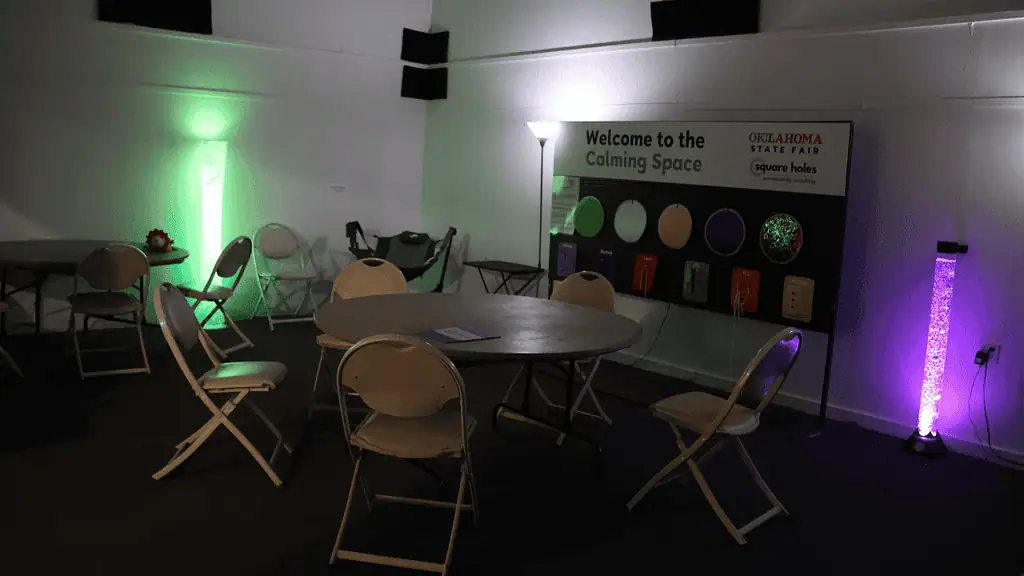
The Fair also offers a Sensory-Friendly Time on Sunday, September 20, from 10 a.m. to 2 p.m., when sounds and lights will be reduced in the carnival area. To help guests prepare for what to expect when visiting the Fair, particularly visitors on the autism spectrum who may experience less anxiety when they know what to expect, the Fair also provides a detailed Social Narrative. The narrative explains key experiences visitors may encounter, including waiting in lines, going through security screening, locating the Calming Spaces, and seeking assistance from a Fair worker if they become separated from their group.
The Oklahoma State Fair is also responding to requests from people with celiac disease, non-celiac gluten/wheat sensitivity, or a wheat allergy. For many people with these conditions, eating gluten-free is a medical necessity, not a lifestyle choice. For example, celiac disease is a serious autoimmune condition where consuming gluten can damage the small intestine, potentially causing nutrient deficiencies and other health complications.
This year, the Fair will feature its first gluten-free food vendor, Everybody Eats!, which offers gluten-free corn dogs, chicken strips, deep-fried Oreos, and funnel cake. Burchfiel anticipates a strong possibility of additional gluten-free vendors at the Fair in the future.
Accessibility & community impact
Many individuals with disabilities and their families encounter environments that were not designed with their needs in mind. For a parent of an autistic child, a trip to a large, crowded event may require constant vigilance and advance planning around sensory overload and potential dysregulation. A person who uses a wheelchair may find standard portable restrooms inaccessible, making it necessary to limit the length of a visit or avoid the event altogether.
Ultimately, when accessibility needs are not adequately addressed, individuals and families may decide that attending an event is simply too stressful or difficult and choose not to attend.
For individuals and families navigating disability, access to supportive resources at the State Fair can make the difference between an experience that feels manageable and one that feels overwhelming. Visitors have told Fair organizers that having their needs anticipated and supported allows them to participate more fully in the event.
“What we like to say is ‘live their good life,’” said Randle. “And, that includes going to community events, just like everyone else. So, the initiative is huge––to help families be included and feel like they belong because they have what they need.”
The benefits of increased accessibility extend beyond individuals with disabilities and their families, reaching communities in OKC and throughout the state. Momentum Refresh, for example, offers tours of its mobile unit to educate the public, support advocacy efforts, and foster a better understanding of the needs of people with disabilities, veterans, and seniors.
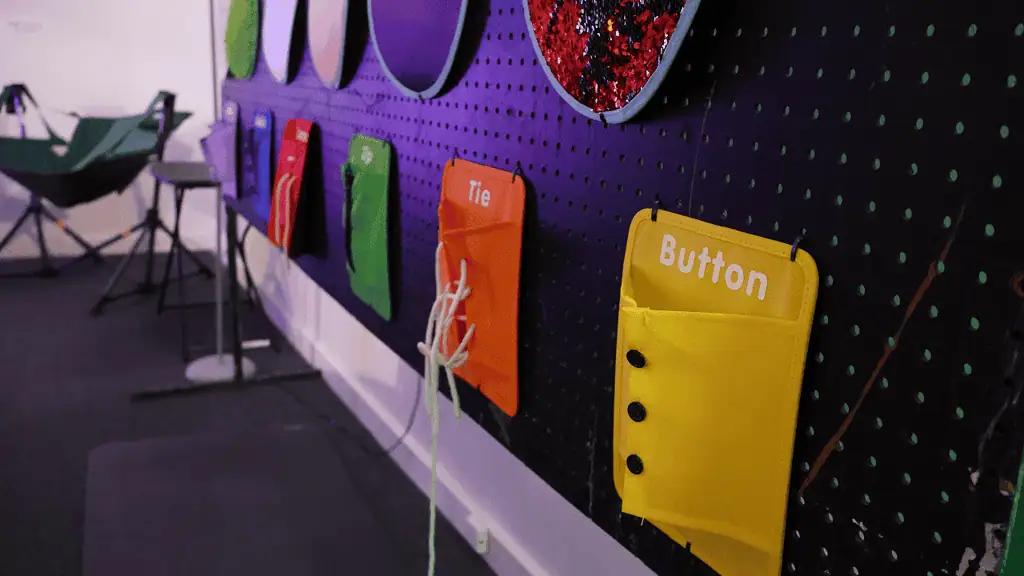
This year, the Fair will also host an Accessibility Expo, which brings together accessible products and services, interactive and sensory-friendly art activities, arts performances, and information about local disability-focused organizations. The Expo aims to create a welcoming environment for individuals with disabilities and their families, while educating the broader public about disability, accessibility, and inclusion.
“I’m really excited that our Expo is growing in popularity, because I feel it’s not only for the disabled community, but it really is for everyone,” said Burchfiel. “Everyone can come and learn. That is really the goal of the Fair: to come together, understand each other, and be united in a way that’s more personal than what you might experience in other spaces.”
For a full list of the Oklahoma State Fair’s accessibility accommodations, visit their website.

Erin Schalk serves as a professional writer, visual artist, voice narrator, and accessibility-centered educator. She is the recent recipient of multiple Writer’s Digest awards and the Armed Services Arts Partnership’s National Scholarship. She has also received a Best of the Net nomination. Schalk’s work has appeared in Wordgathering, Stirring Lit, Parentheses International Literary Journal, The Petigru Review, and numerous other publications. She also received her MFA from the School of the Art Institute of Chicago.