
OKLAHOMA CITY – April is World Autism Month, and that means that OKC organizations are spreading the word and demystifying assumptions about autism care.
One in 31 U.S. children is now diagnosed with autism – a figure that has climbed steadily as awareness among medical professionals, educators, and families has grown – and each April, World Autism Month brings renewed focus to what that number means in practice, highlighting the services, challenges, and communities built around supporting neurodivergent individuals and their families.

In Oklahoma City, that work is year-round.
The rise in autism diagnoses in recent years is largely attributed to significantly increased awareness among professionals and caregivers alike, and OKC is home to several organizations developing programs that reflect this evolving understanding of autism, such as the Oklahoma Autism Network (OAN,) the Autism Foundation of Oklahoma (AFO,) and AutismOklahoma.
“More individuals and families are embracing neurodiversity as a valid and valuable way of being, rather than something to ‘fix,’” Oklahoma Autism Network director Michele deBerry told Free Press. “That’s led to a greater emphasis on supports that build on strengths—whether that’s communication, problem-solving, creativity, or deep interests—rather than focusing only on challenges.”
Increased awareness
The diagnostic spectrum for neurodiversity has grown broader and more nuanced than in decades past, when, historically, children and individuals who presented more subtly on the spectrum—or who had developed sophisticated strategies for masking their autistic traits in order to navigate social environments—were frequently overlooked.
Today, those individuals are far less likely to fall through the cracks, and more children are receiving early intervention and support at younger ages, with meaningful potential to improve long-term independence and quality of life.
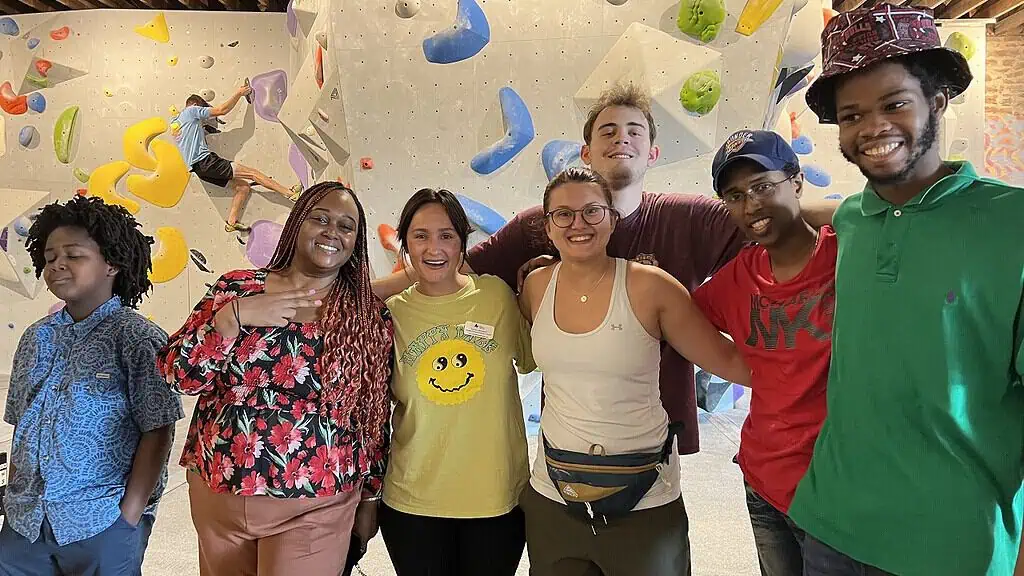
That greater awareness has also driven a significant increase in diagnoses among older adults, including those in their 30s, 40s, and beyond, many of whom were the unidentified children who spent their formative years navigating a world not designed for them––largely on their own.
But Oklahoma City’s support and outreach organizations all point to meaningful progress.
In recent years, awareness of autism among the general public has grown considerably, families are seeking diagnoses earlier, and more adults are pursuing evaluation than ever before. Alongside these shifts, individuals with autism, as well as their family members and caregivers, have increasingly more opportunities to make their voices heard.
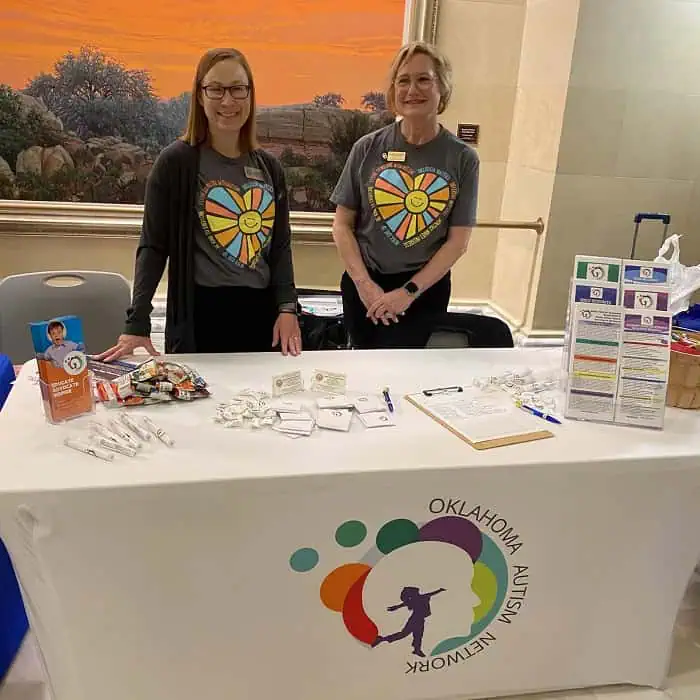
This shift in how autism is perceived and understood is reflected in some of the innovative programming now available across the city.
The Autism Foundation of Oklahoma, for example, identified a critical gap in the availability of autism-informed childcare, a shortage that often forces one parent to leave the workforce, and in response, the Foundation launched a consultancy program that sends trained consultants directly into childcare settings.
To date, the program has educated more than 2,000 childcare providers across Oklahoma, equipping them to recognize early signs of autism, discuss developmental differences with families, and approach those conversations with greater confidence.
Modern challenges
But services and infrastructure are still catching up to that rapid growth in the public’s awareness of autism, a challenge cited by all of the organizations to which Free Press spoke.
Meanwhile, parents and caregivers often carry the sometimes massive, invisible load of managing life-stage transitions, navigating fragmented support systems, sustaining ongoing advocacy, and fighting their own exhaustion and burnout, all in service of continuing to show up for their children.
The most significant gap, cited by multiple sources, falls at the transition from childhood—where programs and services are most concentrated—into adulthood, where supports often become considerably reduced.
OKC’s autism support organizations are working to address these gaps directly.
“There’s a growing expectation that neurodivergent individuals should have opportunities to fully participate in their communities, not just be accommodated within them,” deBerry said. “Their voices are influencing how services are designed, how professionals are trained, and how success is defined.”
Social support
The Autism Foundation of Oklahoma offers their LEAD program, targeting one of the most persistent barriers facing autistic job seekers: employer misconceptions.
According to Kelli Marshall, the AFO’s Program Officer for Children and Youth, and Kathy Mitchell, Program Officer for Adults, many employers don’t yet recognize the inherent strengths autism can bring to a workplace.
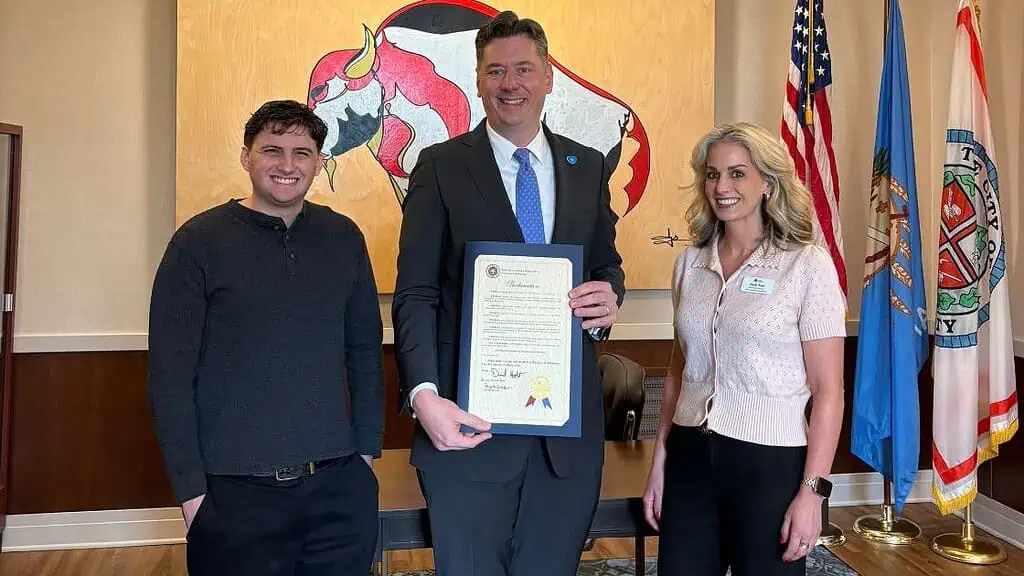
LEAD works to change that by promoting inclusive interviewing and hiring practices, partnering with the Oklahoma Department of Education to support individuals as they exit the public school system, and connecting job seekers with an active job board to help refine and advance their employment search.
OKC-based nonprofit AutismOklahoma has also developed an employment pipeline through their Invisible Layers Productions, a filmmaking workforce development program.
“Participants meet weekly to produce a range of films including AutismOklahoma promotional videos and award-winning short films,” explained AutismOklahoma executive director Kelly Dyer Fry and Adi McCasland, the group’s Senior Director of Strategic Operations, in a joint response on behalf of the organization.
“Through hands-on experience and professional mentorship, participants gain marketable skills and real-world exposure to the film industry,” Fry and McCasland said. “Many alumni have gone on to enroll in collegiate film programs or secure professional positions within the field.”
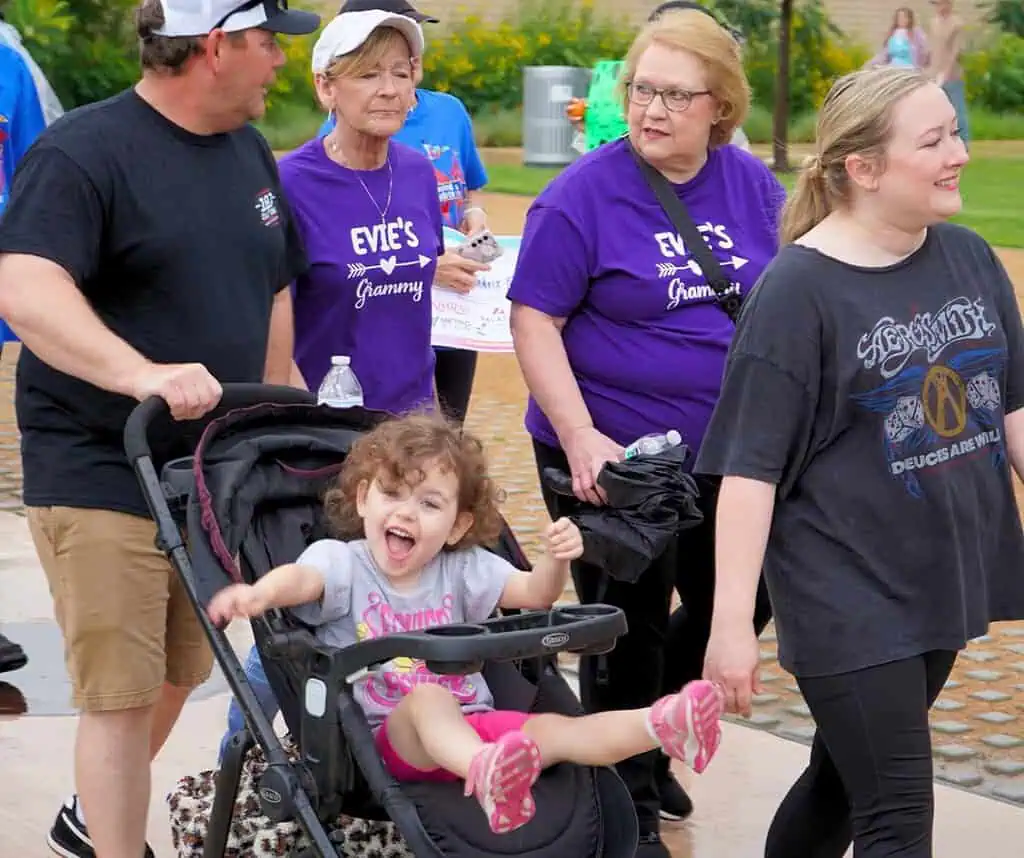
AutismOklahoma also offers neuro-affirming social programming, including their monthly “Mix ‘n Mingle” meetup for adults, held in Oklahoma City, Norman and Tulsa—gatherings where, organizers note, meaningful friendships are often formed for the first time.
The program uses a color-based name tag system. Red means the participant wishes to observe only, yellow means approach with care, and green signals openness to meeting new friends.
“We’ve had participants go from red to green in a single night,” said Fry and McCasland. “Others may come faithfully without ever changing their name tag color. The autism spectrum is broad, and our goal is to always meet people where they are.”
Citywide programming for World Autism Month
Each organization is also marking World Autism Month with programming that reflects its broader mission.
The Oklahoma Autism Network is centering advocacy, highlighted by Autism Advocacy Day on April 2nd at the State Capitol, where those with strong ties to autism and neurodivergence were given opportunities to influence policy.
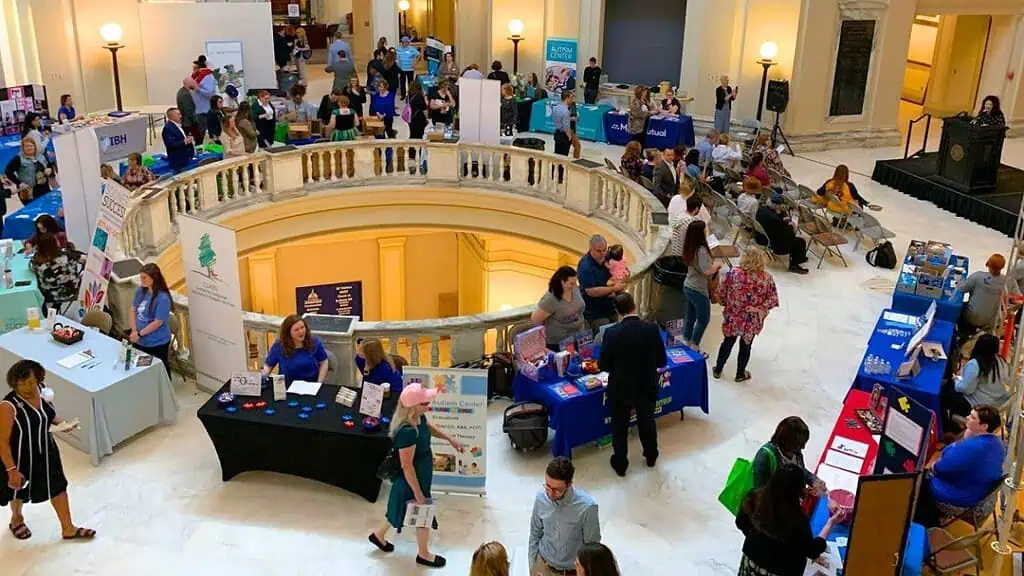
That advocacy work extends well beyond April, with OAN collaborating with a broad range of state agencies—including the Departments of Education, Health, Human Services, and Mental Health, as well as the Oklahoma Health Care Authority—to inform assessment, program planning, and intervention across the lifespan.
The organization also works to support and sustain parent groups statewide and coordinates with other autism-focused programs to maximize the state’s limited resources rather than duplicate them. Together, these efforts reflect OAN’s year-round mission: connecting people to services and creating supportive spaces for neurodivergent individuals and families.
The Autism Foundation of Oklahoma is hosting several community events throughout April, including its ongoing monthly socials.
On April 17th, the Foundation will publicly screen its award-winning documentary, “Surviving the Spectrum,” directed by Carley Marissa, and on April 30th, it will host a community gathering at the Skydance Bridge, reflecting the elevated mental health concerns within the autism community.

And AutismOklahoma’s signature April program is “Duets,” which pairs artists on the autism spectrum with neurotypical artists to collaboratively create original works, emphasizing the shared strengths and across neurological differences, with the goal of bridging the two-way communication difficulties that organizers describe as the “double empathy divide.”
“Duets” culminates in a public art exhibition throughout April at the Paseo Arts & Creativity Center, celebrating participant creativity while building pride, confidence, and community visibility.
“It’s important to understand that autism is a brain-based diagnosis,” Marshall said. “It’s really about the community, environments changing, and people changing their views and their understanding of what autism is. Little changes can have a huge impact that radiate outward. Everyone benefits from a more inclusive community.”
For more, visit autismfoundationok.org, autismoklahoma.org, and okautism.org.

Erin Schalk serves as a professional writer, visual artist, voice narrator, and accessibility-centered educator. She is the recent recipient of multiple Writer’s Digest awards and the Armed Services Arts Partnership’s National Scholarship. She has also received a Best of the Net nomination. Schalk’s work has appeared in Wordgathering, Stirring Lit, Parentheses International Literary Journal, The Petigru Review, and numerous other publications. She also received her MFA from the School of the Art Institute of Chicago.