Real heroes are hard to find these days.
In this unrelenting age of anti-heroes, sympathetic villains, and overwrought redemption arcs, it can feel hard to actually fully root for a character. Humans are just too complicated, and practically any motivation or action is bound to alienate or anger someone.
What we need is a real hero, an unimpeachable champion of true freedom, true perseverance, and true, unflappable willpower.
Make no mistake: Flaco is that hero.
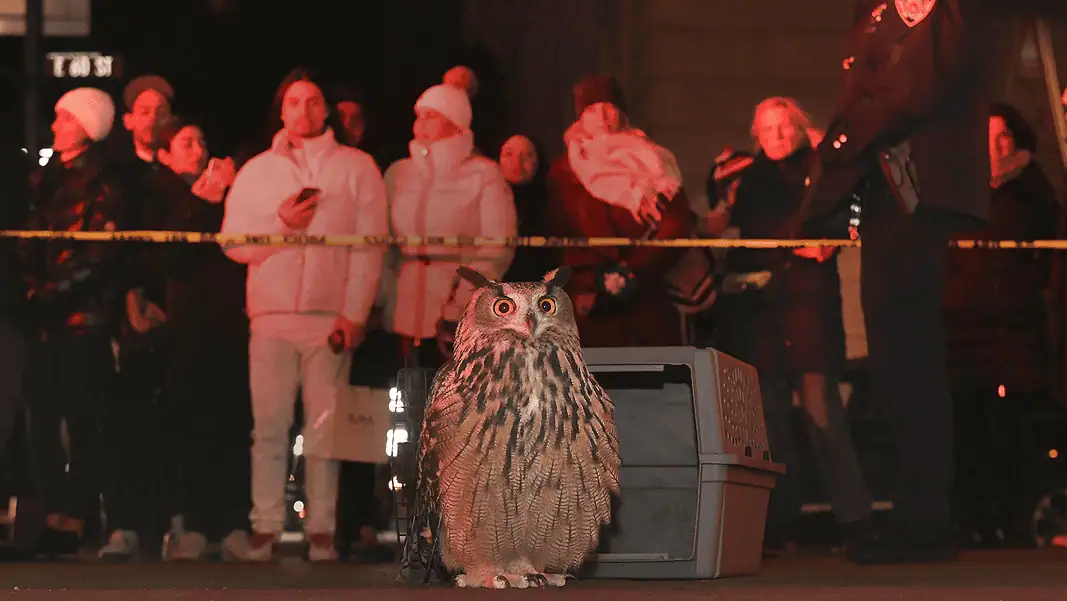
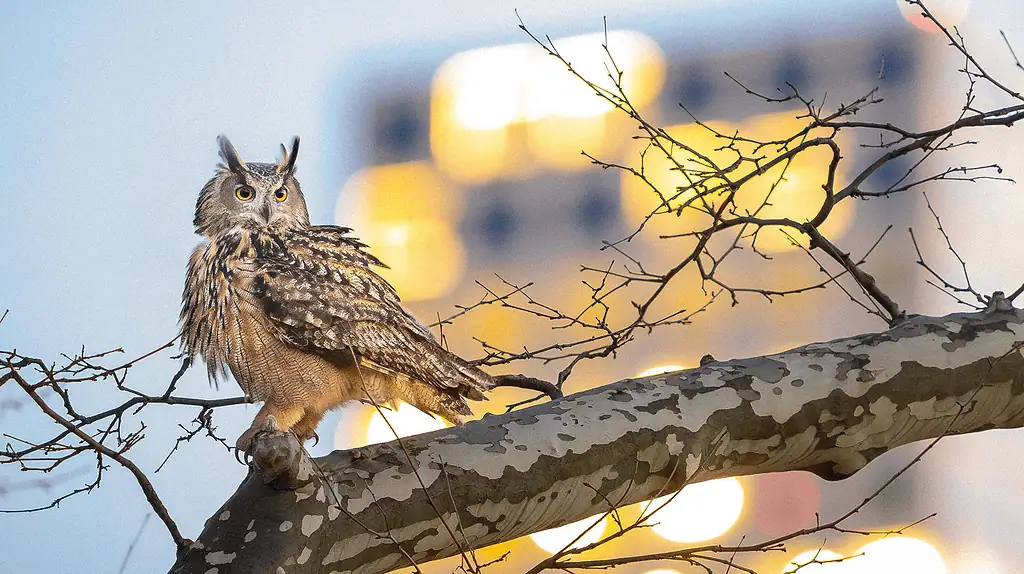
A massive Eurasian Eagle Owl and a one-time captive resident of the Central Park Zoo, Flaco broke out in 2023 and escaped into the wild freedom of New York City, where he became a sort of folk hero for those hungry for independence and an unwitting mascot for the unique strangeness of city life.
Over the next year, Flaco’s wild life across the full sprawl of Manhattan was captured by birdwatchers, animal rights activists, news cameras, and prolific documentarian Penny Lane, who compiled the entire feathered tale into “Wild Inside,” a new feature-length documentary opening August 14th at the Oklahoma City Museum of Art.
Framed first and foremost as a tale of defiant freedom and unlikely international fame for Flaco, “Wild Inside” spreads its wings to fly a little higher than a typical true-life feel-good doc.
Lane smartly opens up the film’s scope to capture the lonely souls and fringe figures that found themselves drawn into the owl’s orbit, and even dives headlong – sadly – into the risks and dangers for wildlife in the big city and the shortsighted ways in which we mark our human dominance alongside animal life.
But mostly it’s about the immediately and infinitely loveable Flaco himself, with an indomitable will and quick wit that carried him from scared and frozen on an NYC sidewalk to hunting, soaring, and expertly evading recapture in just a matter of days.
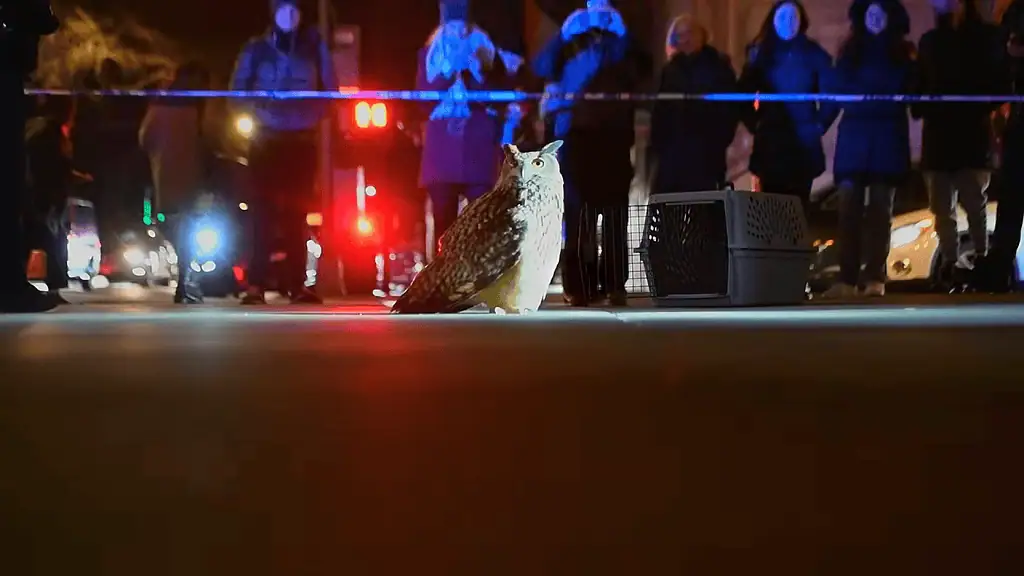
His yearning spirit and insistence on flying free captured the hearts and minds of New Yorkers with an air of pure joy – maybe the rarest thing imaginable in 2020s America – and the myriad ways in which Lane is able to catch and deliver those feelings and sentiments makeup the soul of the film.
Of course, much of that is thanks to the fortuitous ease of collecting high-quality video and indie-shot footage of public happenings in the modern age.
Rather than relying on archival materials and slow-zooming stills, Lane can fill the film with social media posts, high-res photos, and pro-level cell phone videos of Flaco shot all over the city by countless New York residents that pour their love for the lucky bird into every clip and encounter.
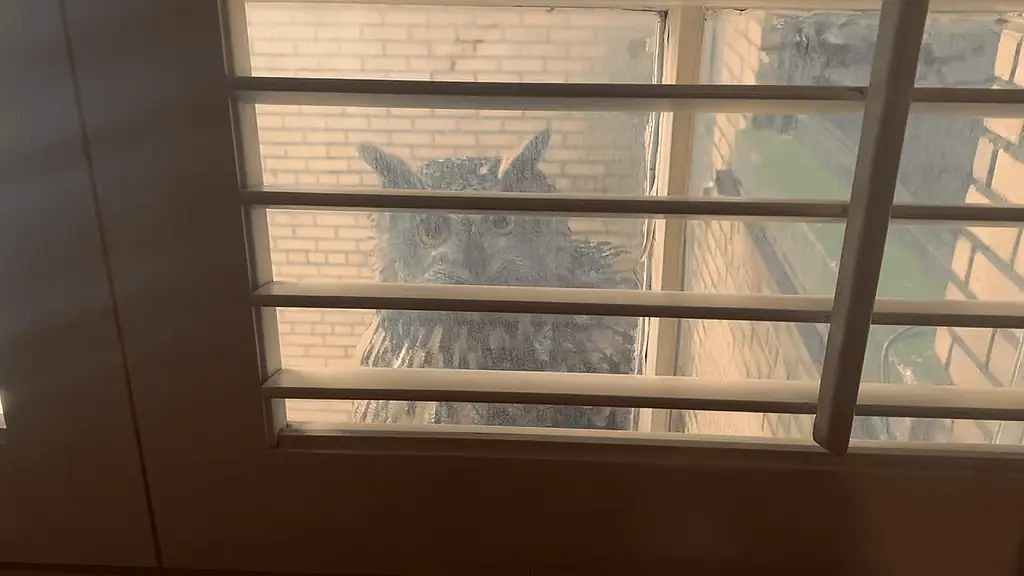
But she also presents the questions and conflicts surrounding Flaco’s free-flying fame, offering arguments both for and against the zoo’s decision to let him remain free, and even broadening the scope a bit to explore arguments for and against captivity and zoos as a whole.
For many, Flaco‘s story is wholly heroic, breaking free from his “box” and claiming his own independence through sheer will and determination (though he admittedly had some help in the form of a hole someone cut in his zoo enclosure, a hole that remains largely and conspicuously unexamined in the film.)
But for others, his flight feels much more harrowing, with some of his faithful watchers worrying about the fear and confusion he’s likely experiencing each day away from the zoo, about the lack of natural strength and instincts that he may never have developed in captivity, and primarily about the likelihood of poisons and pesticides in the NYC rats on which Flaco learns to feast.
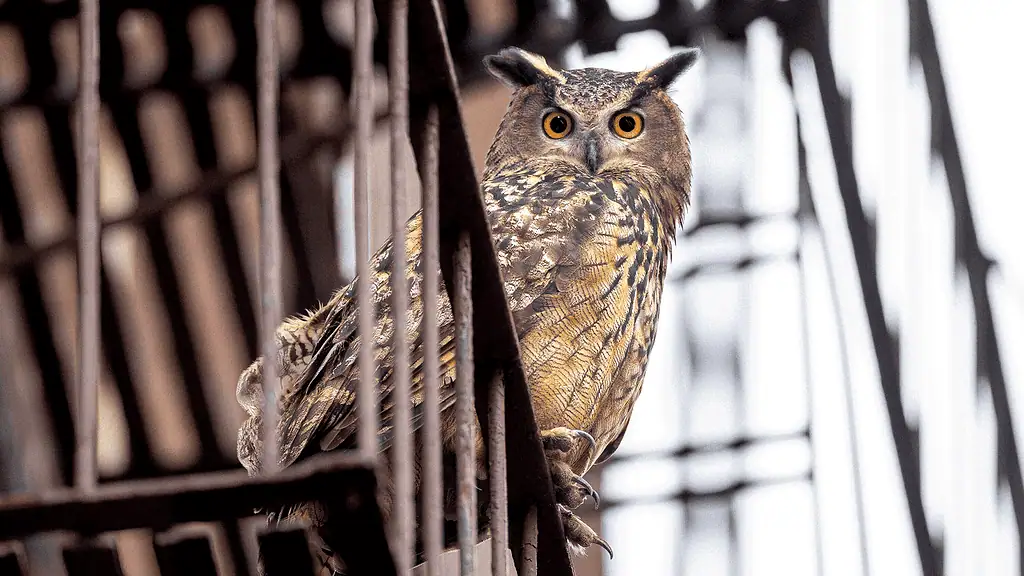
While Flaco is indisputably the main character throughout, his principle supporting cast is comprised of a group of birdwatchers that come together to form a makeshift family around tracking and documenting his journey every day for more than a year.
Lane spends as much time filming them as she does filming Flaco, and his story becomes their story, too.
As the bird gradually learns his place in the singularly diverse and complex world of Manhattan, so too do the watchers settle into their own purposes and personalities in their lives, some finding love, some notoriety, and some discovering a newfound resolve in their own mission of rescue and conservation.
They trek across Central Park – and eventually across the greater sprawl of the city – each and every night, providing some of Lane’s most beautiful shots, Flaco’s unknown human family silhouetted against a vibrant city as towering to them as it is to the bird.
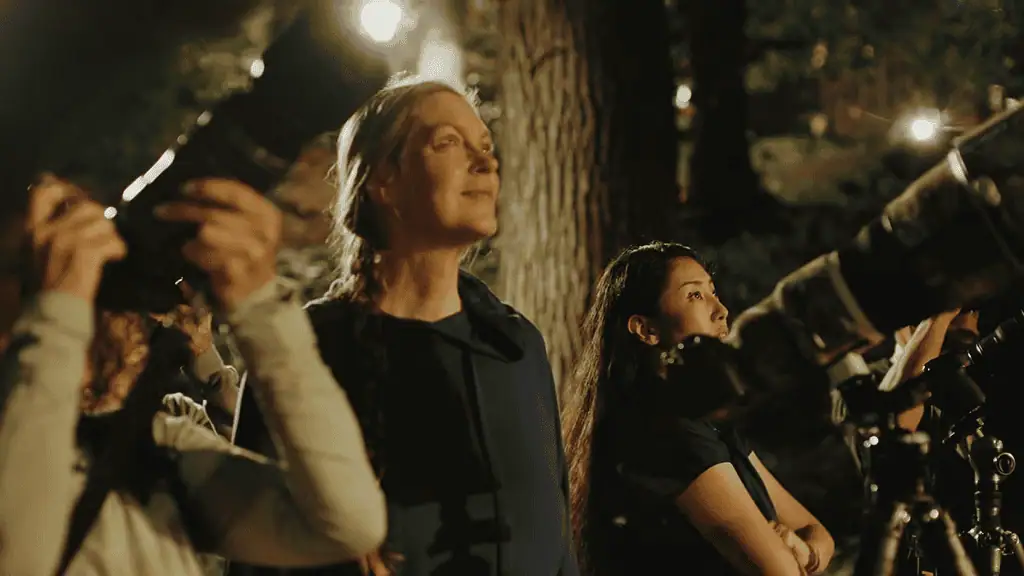
And ultimately, that’s probably why Flaco feels like such a hero and such an aspirational figure, because he’s a little thing that ventures out into the bright, loud, scary world and he stakes his claim to it anyway, despite his fear.
Flaco flies where he wants to fly, roosts where he wants to roost, and eats what he wants to eat, and even with all the dangers, even with all the inevitable hardships and risks of being so small and far from his natural habitat, for one glorious year, Flaco is truly free.
“Wild Inside” captures it all in gorgeous photography, the owl’s form stark against the skyline or his eyes bright and wilding among the trees, and Lane even makes some wonderful use of drone shots to present the New York City sky the way the Flaco experienced it.
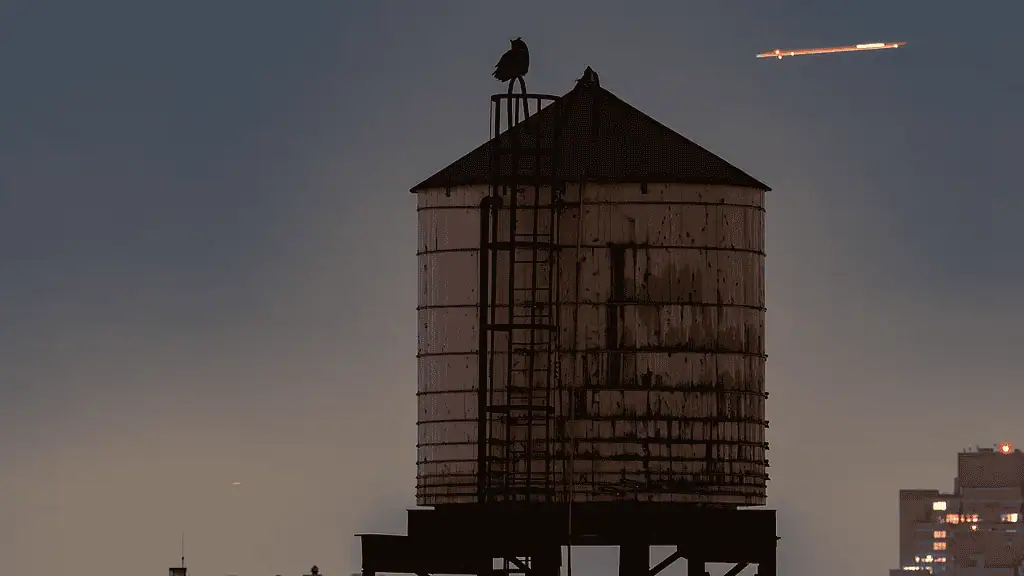
It’s an exhilarating and deeply heartening film, the kind that should be seen by anyone that loves nature or anyone that understands the importance of small, simple stories in a big, confusing world.
NOTE: Sensitive viewers should be warned, however, that there are some brief graphic photos and upsetting descriptions of the sad realities faced by birds and wildlife in a modern city, as well as graphic depictions of birds consuming live prey. Be advised.
“Wild Inside” screens at the Oklahoma City Museum of Art Friday, August 14th through Sunday, August 16th.
For times, tickets, and more information, visit okcmoa.com.
Catch Brett Fieldcamp’s film column weekly for information and insights into the world of film in the Oklahoma City metro and Oklahoma. | Brought to you by the Oklahoma City Museum of Art.
Brett Fieldcamp is the owner and Editor in Chief of Oklahoma City Free Press. He has been covering arts, entertainment, news, housing, and culture in Oklahoma for nearly two decades and served as Arts & Entertainment Editor before purchasing the company from founder Brett Dickerson in 2026.
He is also a musician and songwriter and holds a certification as Specialist of Spirits from The Society of Wine Educators.