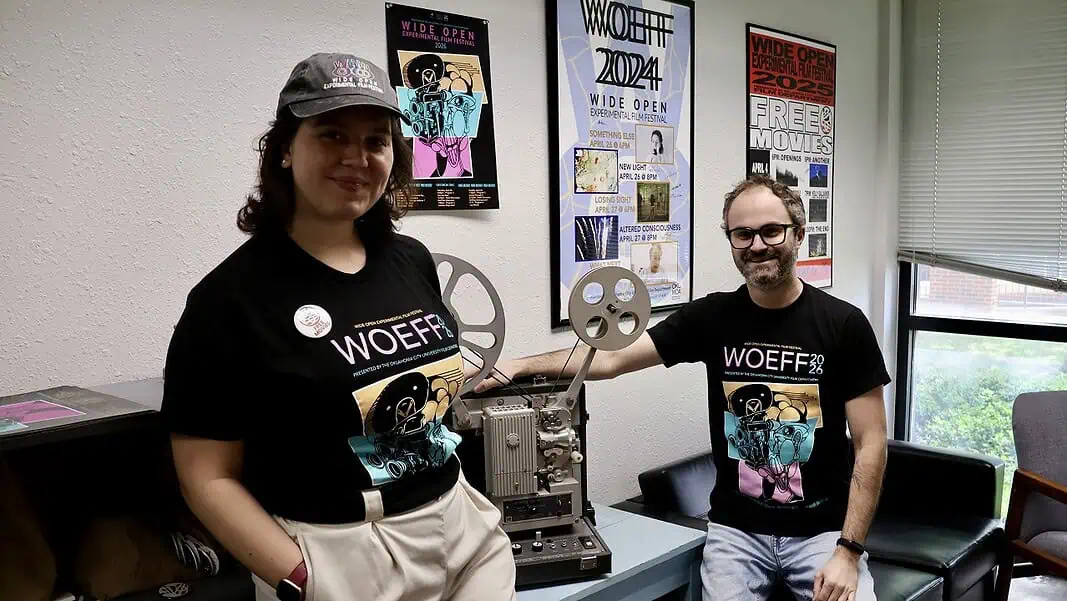

OKLAHOMA CITY – A free experimental film festival in OKC is returning for its fifth year, with expanded involvement from OCU film students.
The Wide Open Experimental Film Festival (WOEFF), presented by the Oklahoma City University Film Department, will take place April 24-26 at the Oklahoma City Museum of Art’s Noble Theater. Admission is free and open to the public, with no tickets required.
Ahead of the festival, WOEFF will partner with Oklahoma Film Exchange (OFX) to present “El Signo Vacío” by Kathryn Ramey at 7 p.m. April 23 at OFX, which is located on Sheridan Avenue, followed by a virtual Q&A. Then the festival continues through Sunday with six programmed pairings of a total of 64 films from 15 different countries. This year’s festival expands its offerings with 12 visiting filmmakers, many traveling from out of state and three panel discussions:
- Friday, April 24: “Is Avant-Garde Our Last Hope?” on the political impact of experimental film
- Saturday, April 25: “Real Film Education” on meaningful, student-centered approaches to teaching film
- Sunday, April 26: “Digging Underground” on grassroots and DIY art organizations in Oklahoma
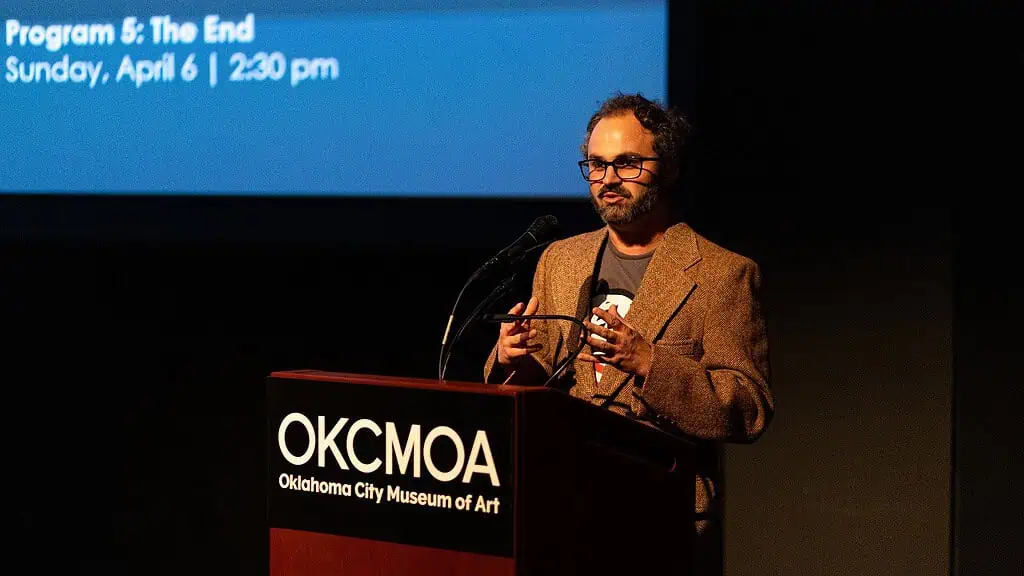
Festival director and OCU film professor Billy Palumbo said the goal is to contribute to the broader experimental film community.
“We’re hoping to provide a place to watch alternative cinema as well as a place to have dialogue about its meanings, impact, and future,” Palumbo said in a press statement.
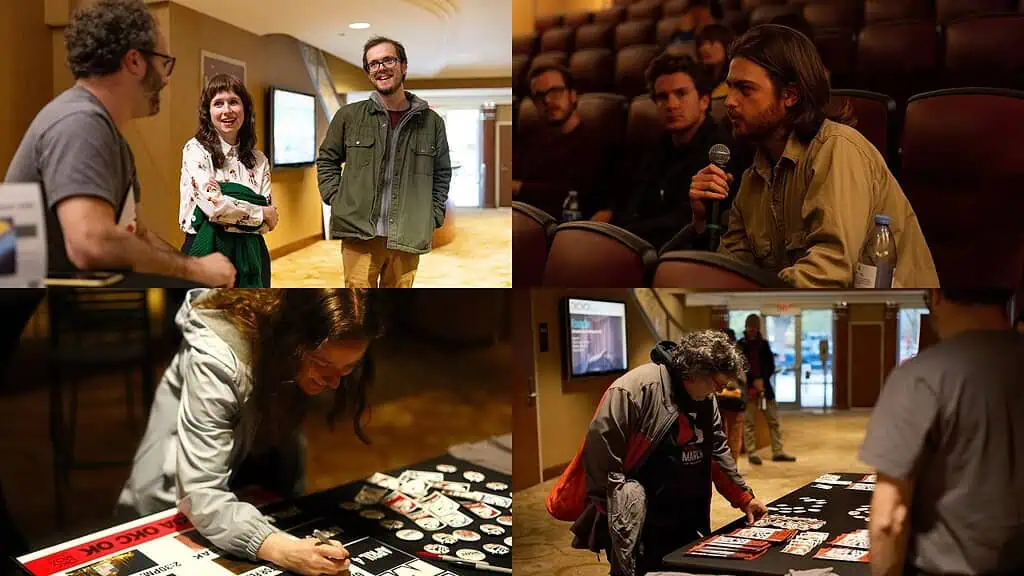
Students play a central role in the festival, serving as presenters, panel moderators, designers, and writers. They have contributed essays, conducted filmmaker interviews, and helped design festival materials.
“Being able to talk with local filmmakers as a student in Oklahoma is very exciting,” OCU Film and English major Kathryn Odum told Free Press in an interview. “We have been much more involved with the curation of content and materials for this film festival.”
Odum will co-moderate “Digging Underground” panel at the festival and conducted one of seven student interviews with a filmmaker behind the work “Does the Sea Have a Heart?”
“Everything about this process has been super fun,” Odum added. “And there have just been so many opportunities for connection in the actual festival that I’m so excited about.”
OCU student Hannah Campbell also emphasized the value of engaging directly with filmmakers. Her interview with filmmaker Cali M. Banks will appear on the festival website, and she also designed the festival’s 44-page program.
“I’ve written about films in a bunch of my classes before, but getting a chance to speak directly to a filmmaker about their work is a rare kind of access,” Campbell said in a press statement. “It’s inspiring to hear about what makes the filmmakers tick, how they overcome obstacles, and what advice they give to us students.”
Exploring Avant-Garde Film
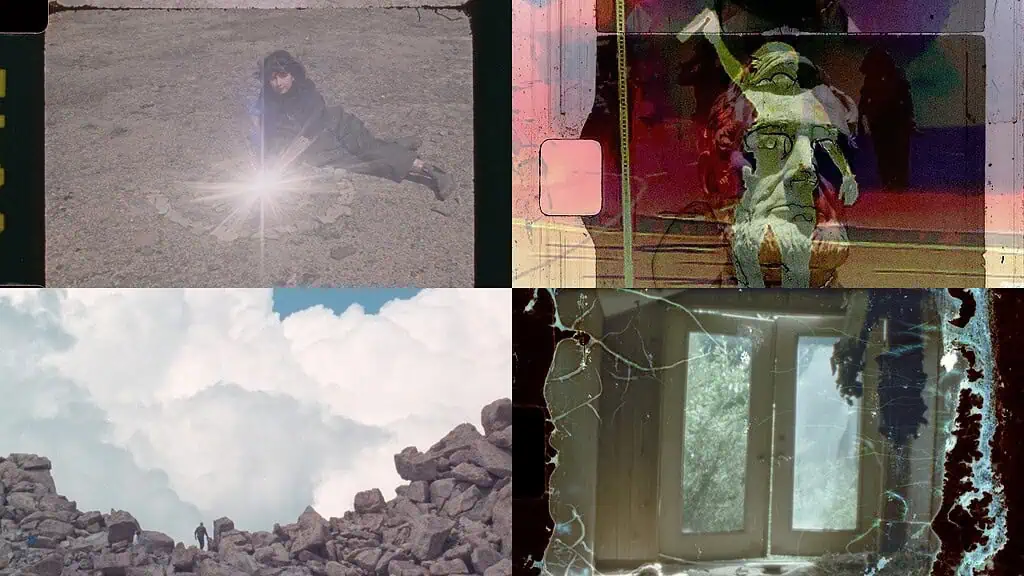
WOEFF showcases a wide range of experimental film practices, including abstract animation, surreal narratives, essay films, and works using digital and chemical manipulation.
“Experimental film is a broad range of filmmaking that is difficult to categorize… sort of by design,” Palumbo said in a Free Press interview. “There are a lot of different approaches, but what they all have in common is that they’re outside of the typical narrative three-act structure.”
These works often take on poetic or what Palumbo described as “painterly” qualities, exploring light, color, and form. Some are abstract, others deeply personal, and many resist traditional storytelling altogether.
“For audience members that aren’t familiar with experimental film, it can be intimidating,” Palumbo said. “I always encourage them to just accept that whatever experience you have is the right one.”
Odum echoed that idea, emphasizing experimentation as the core of avant-garde film.
“It’s all about filmmakers trying something new, working through an idea in a way that might not necessarily be as structured as we think of with narrative films,” Odum said. “The key point for audiences is that you’re seeing something you’ve never seen before, which, just in and of itself, is an incredible experience.”
That experimentation often overlaps with political expression. Several films, especially in the late Friday program, engage directly with contemporary issues.
One standout is “Monument” by Jeremy Drummond. The film reworks images of Confederate monuments that were defaced during protests, using chemical manipulation and animation. Another is “Catch Us on the Way Down” by Cali M. Banks, which explores limited abortion access in North Carolina. These filmmakers will both be in attendance at the festival.
“Both of these films are really pertinent for us in Oklahoma,” Palumbo said. “To get those filmmakers here is just so exciting to hear them talk about that and drill deeper into it.”
All festival screenings and events are free. For more information and for a full schedule of events, visit wideopeneff.com.

Zoe Elrod covers events and happenings around Oklahoma City for Free Press bringing her skill as a reporter and photographer. Zoe has spent her career covering local musicians, artists, politicians, and everyday folks.