A small, driven community of artists, thinkers, and friends really can change the world.
If you don’t believe me, do yourself a great favor and catch the phenomenal new documentary “Once Upon a Time in Harlem” this weekend at the Oklahoma City Museum of Art and see if it doesn’t change your mind.
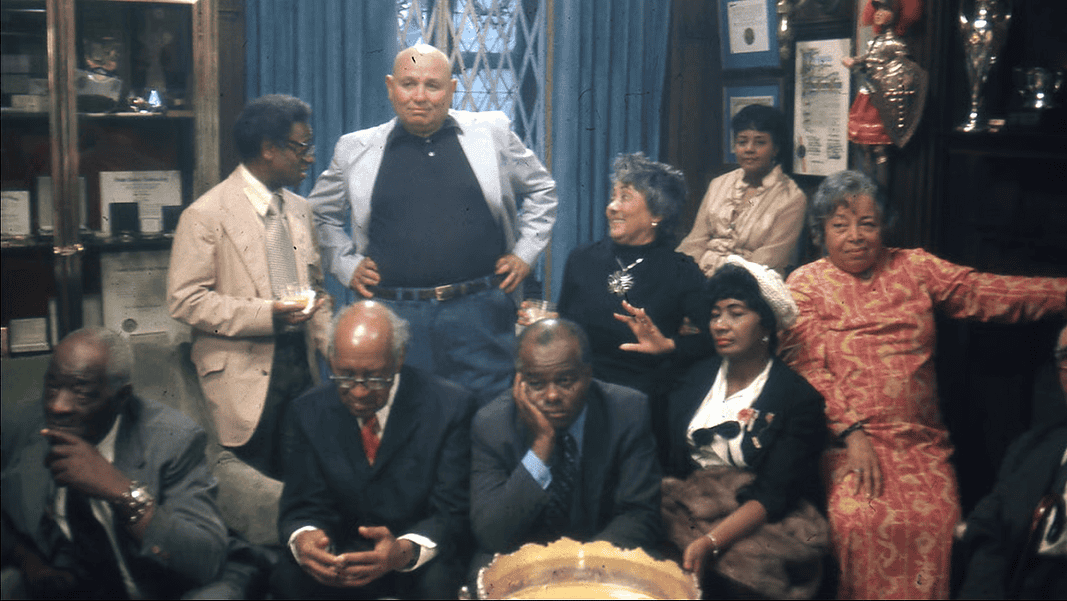
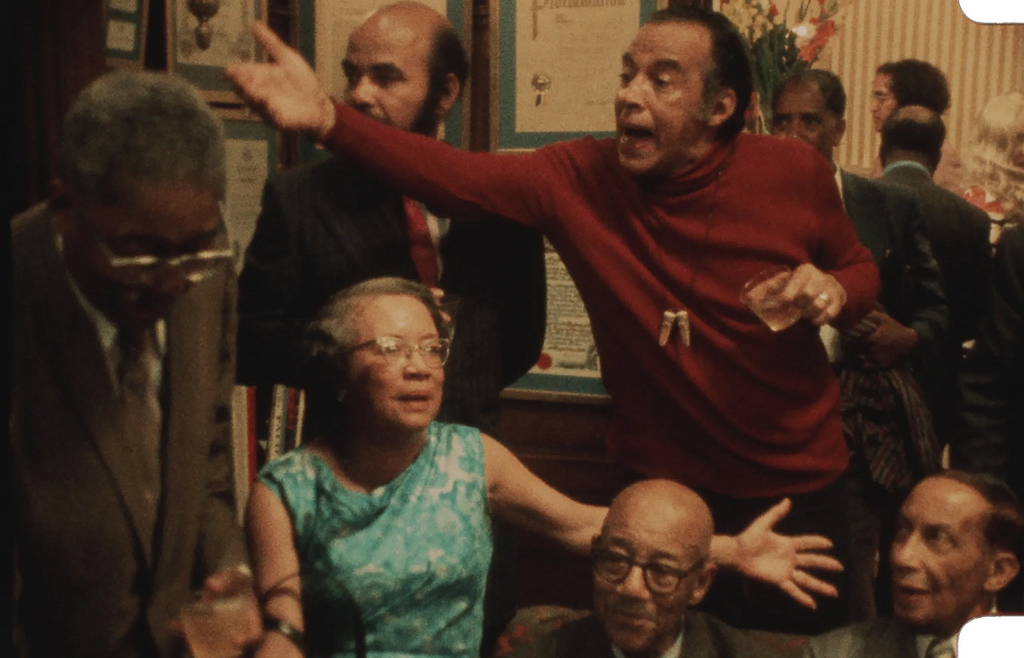
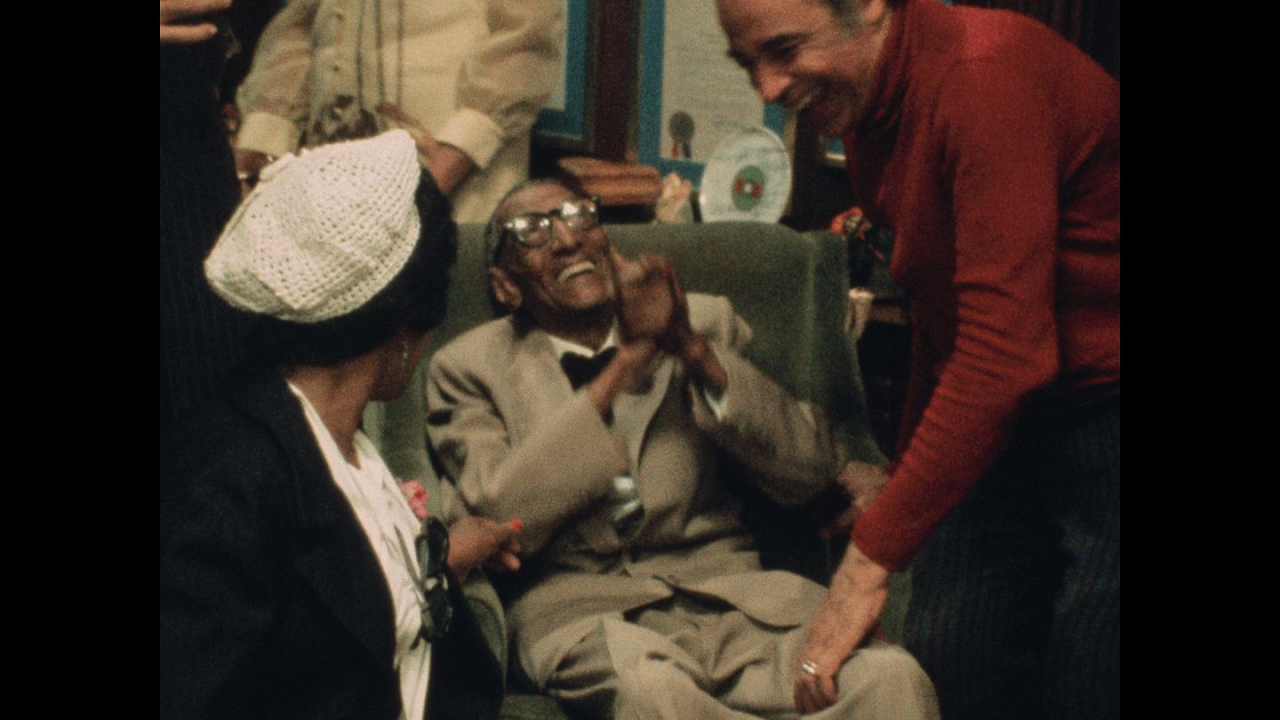
Shot entirely on one night in 1972 by the staggeringly prolific documentarian William Greaves, “Once Upon a Time in Harlem” takes a camera crew into the final gathering of the great figures of the Harlem Renaissance, bringing them together to reflect on their own groundbreaking works, shared histories, and enduring legacies.
The extraordinary guest list features many of the greatest poets, painters, writers, and advocates of their movement, including artist Aaron Douglas, musician Eubie Blake, columnist Gerri Major, political activist Richard B. Moore, writer George Schuyler, actor and cultural leader Leigh Whipper, poet Richard Bruce Nugent, photographer James Van Der Zee, librarians Jean Blackwell Hutson and Regina Anderson, and still many more.
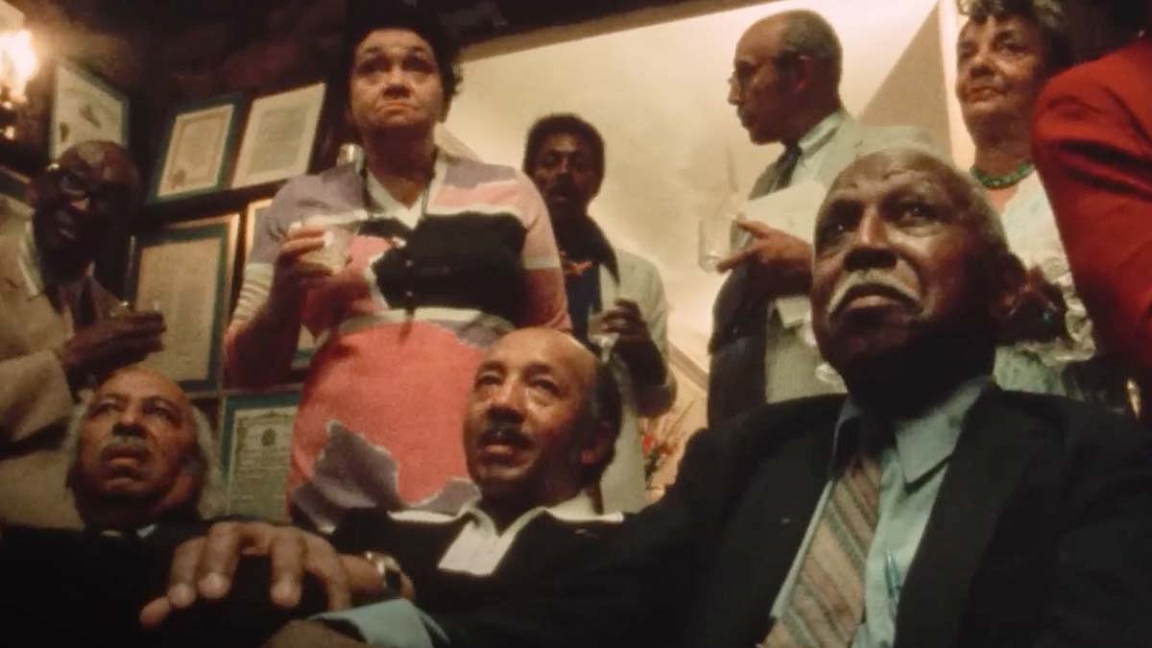
Greaves personally invited them each to a party at Duke Ellington’s apartment (though the great Duke himself was unable to attend) where he filmed them catching up – some after decades – and chatting, fawning, and sparring in an attempt to unpack the unprecedented influence of the great Renaissance period they helped to lead five decades before.
William Greaves sat on the footage for decades after the event, unable to develop a through line or a cohesive thematic center for the film, and after his death in 2014, his son David helped to oversee the restoration and editing of the over 30 hours of footage his father shot that day.
By 2026, the theme of the film was clear: tell the story of a monumentally important and seminal period of American history and remind the modern nation of one of its greatest moments in time before its memory is lost forever.
The Harlem Renaissance of the 1920s and 30s is regarded as one of the most toweringly influential periods of art, thought, and community for African Americans, rising from the shared culture and racial solidarity of New York City’s Harlem neighborhood and spawning undisputed legends like Langston Hughes and Zora Neale Hurston. It was a time that legitimately changed the world, proving what the true diversity of America could accomplish and laying waste to bigoted beliefs of racial superiority in arts and intellectualism.
By the early 1970s, many of the pantheonic leaders of that cultural moment had passed, and those surviving had entered their golden years in a rapidly changing, post-Civil Rights Movement world, watching as America became more cynical, less intellectually stimulated, and less poetic about the possibilities and powers of culture.
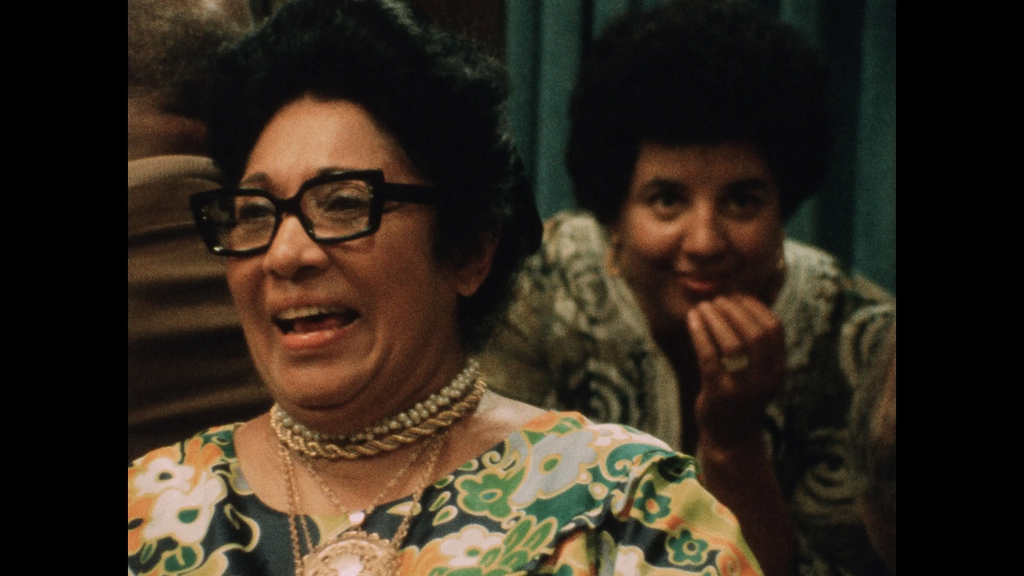
And it’s in that America that these fascinatingly formative figures reconvened for one night to simply talk, sometimes directly and privately to Greaves’ camera, but mostly to one another, laughing hysterically at old memories or raucously dusting up over sometimes significant cultural disagreements.
It could’ve been easy for Greaves to focus his cameras and concerns only on the remarkable art and entertainment of that Renaissance period, spotlighting just the enduring music, writings, and photography of the period, but that wouldn’t be William Greaves.
He understood – just as all of the figures and participants of the period understood – that the great Harlem Renaissance artworks were inexorable from the radical politics breaking forth from the community at the same time, giving rise to galvanizing forces across the political spectrum, from Marcus Garvey to W.E.B. Du Bois.
Those politics, and the tensions between them, remain at the center of conversation in “Once Upon a Time in Harlem,” especially as the earth-shaking writings of Hughes, the paintings of Douglas, and the poetry of Claude McKay were all deeply rooted in anti-colonialism and were themselves often reaching for socialism.
William Greaves understood the importance of capturing those tensions on the evening, but David Greaves clearly understands the vitality and urgency of presenting them today, at a time when our culture is screaming for conversations of such intellect and insight.
These remarkable party guests are thinkers, conversationalists, and cultural ambassadors, not just pop culture figures or celebrities of their time. Their lives represented the possibility of true community power and the unbridled human spirit that can only flourish through mutual support, and maybe more than anything else, of mutual joy.
On the night the party was filmed, they were living reminders of how recent that landmark period still was in our nation’s history.
Now another fifty-plus years removed, it may unfortunately serve more as an indicator of just how far we’ve strayed from the paths they laid.
So yes, “Once Upon a Time in Harlem” is just a bunch of people having conversations at a party in 1972. That’s it. Save for some archival photos and bookending establishing shots of 70s NYC, that’s really the entire film.
It’s not about breathtaking documentary photography. It’s not about exhilarating expose or twisty, accusatory true crime, or any of the other expected angles of modern documentary filmmaking.
It’s just a big group of brilliantly minded (and impeccably dressed) people talking.
But it still may well be the most important and integral documentary film of 2026, nailing the ultimate goal of any great documentary: taking a camera into the most remarkable and crucial spaces of our real world, into the true-life accomplishments that the world rarely sees and the incredible lives at their centers.
In this case, that hidden world is simply a cocktail party in 1972, and the groundbreaking achievements are the astonishing minds, hearts, and legacies of all these people from the old neighborhood that once found themselves at the forefront of one of our nation’s most important cultural movements.
It’s a miracle that we’re able to see it now, and it’s an opportunity you’d do well to not miss.
“Once Upon a Time in Harlem” screens at the Oklahoma City Museum of Art November 19th through 22nd.
For showtimes, tickets, and more, visit okcmoa.com.
Catch Brett Fieldcamp’s film column multiple times each month for information and insights into the world of film in the Oklahoma City metro and Oklahoma. | Brought to you by the Oklahoma City Museum of Art.
Brett Fieldcamp is the owner and Editor in Chief of Oklahoma City Free Press. He has been covering arts, entertainment, news, housing, and culture in Oklahoma for nearly two decades and served as Arts & Entertainment Editor before purchasing the company from founder Brett Dickerson in 2026.
He is also a musician and songwriter and holds a certification as Specialist of Spirits from The Society of Wine Educators.