
OKLAHOMA CITY – Who gets to experience Oklahoma City’s arts and culture, and what does it take to make sure everyone can?
Across the city, organizations are looking closely at what accessibility means in practice, from the services they provide to the ways they include individuals with disabilities in shaping their programs and spaces.
Free Press spoke with Factory Obscura, Oklahoma City Museum of Art (OKCMOA), First Americans Museum (FAM), Civic Center Foundation, and Oklahoma Contemporary Arts Center (OCAC) about what accessibility looks like on the ground, why disability representation matters, and how intentional design can help build cultural experiences that include everyone.
Mobility and personal care
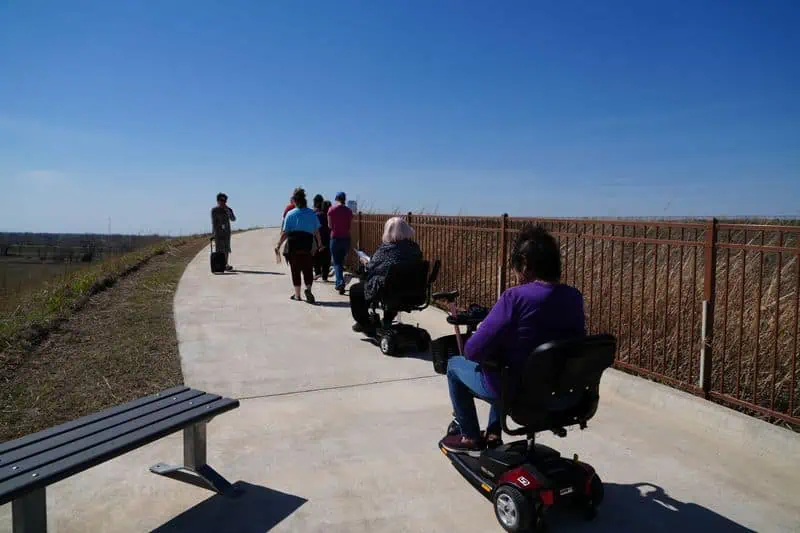
Each organization said that they take mobility accessibility seriously. Wheelchairs are available at all five, typically on a first-come, first-served basis. Factory Obscura also lends strollers, and OKCMOA offers rolling walkers.
FAM may be the leader in mobility-accessibility initiatives. Once visitors arrive at the parking lot, they can call for assistance and receive support traveling from their vehicle to the museum’s entrance, and they also offer motorized scooter rentals for free and guests can make use of foldable chairs to rest after extended walking.
Both FAM and Civic Center Foundation have added universal adult changing tables to their family restrooms, providing a private, dignified option for visitors with disabilities who require assistance with personal care.
Sensory accessibility
Sensory needs are wide-ranging.
While often associated with autism and neurodivergence, sensory sensitivities can also affect people experiencing post-traumatic stress, dementia, or the effects of a stroke. For many, sensory overload isn’t just uncomfortable, it can cause significant physical pain.
All five organizations are working to support visitors with sensory needs. OKCMOA, OCAC, Civic Center Foundation, and Factory Obscura shared that they provide sensory kits with items such as noise-reducing headphones and fidget tools, and two of the organizations interviewed have pursued formal certifications related to sensory accessibility.
OKCMOA is a Certified Venue through KultureCity, a leading nonprofit in sensory accessibility recently recognized by Time Magazine. OCAC has partnered with Square Holes Neurodiversity Consulting to earn its Sensory Aware Certification.
A key feature of OCAC’s programming is Sensory Friendly Hour, where the Arts Center is closed to the public, reducing crowds. Light and sound are adjusted, trained staff are present to provide assistance, and visitors can engage in hands-on artmaking activities.
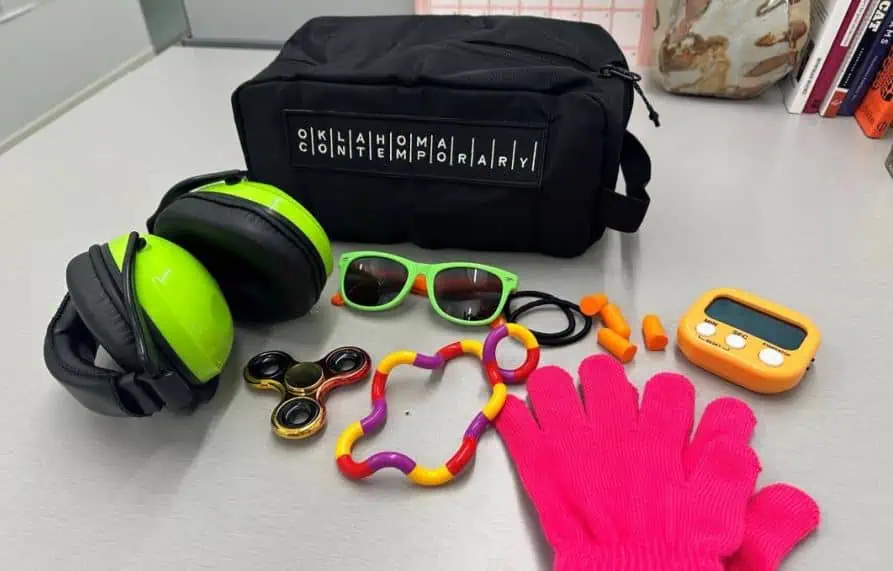
Likewise, the Civic Center provides designated quiet spaces, allowing guests to take breaks to support self-regulation, before returning to a performance.
FAM piloted sensory accommodations on Indigenous Peoples Day 2025, including a “Quiet Hour” that marked the start of the annual celebration. A “Reset Zone” was also available throughout the day for visitors. The museum’s Coyote’s Den, part of the FAMily Discovery Center, is a low-light, quiet environment available to visitors anytime.
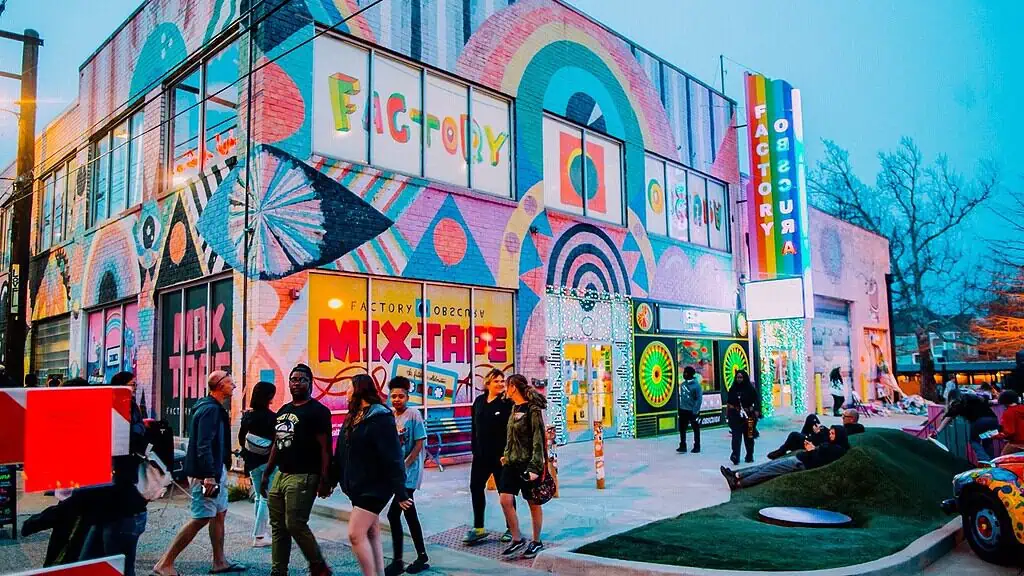
Factory Obscura is exploring the addition of a recurring Sensory Day with adjusted light and sound levels. Their flagship MIX-TAPE, launched in 2019, is an immersive and multi-sensory art experience with areas designed to mirror sensory rooms and reduce stress and anxiety.
Blindness, low vision, and color blindness
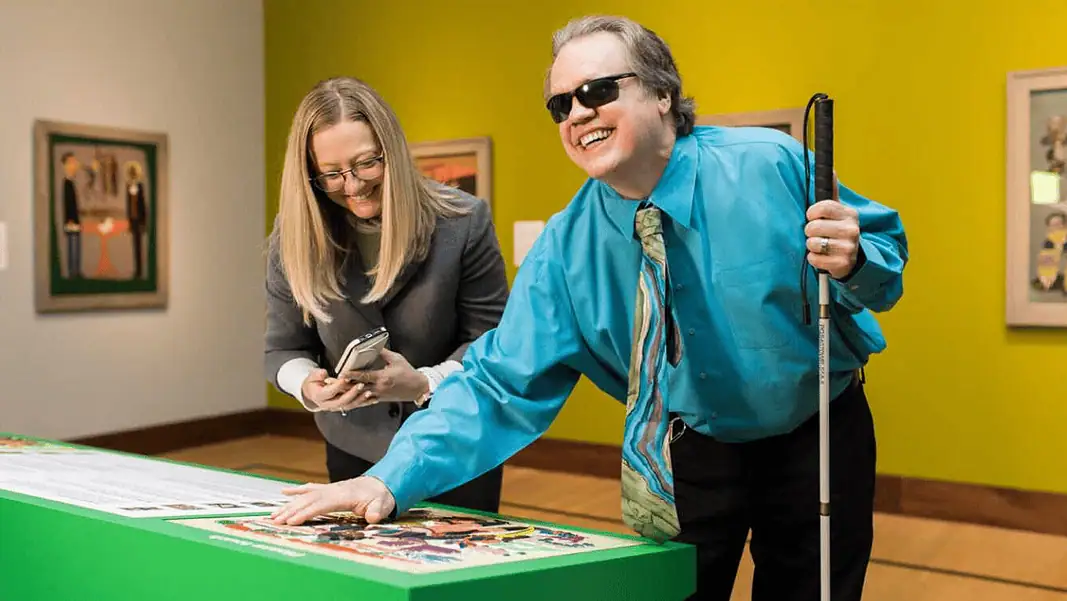
Supporting visitors who are blind or have low vision requires multiple approaches. Someone who is blind may rely primarily on auditory or tactile input and someone with low vision may need large-print materials or high contrast.
Meeting these varied needs asks cultural institutions to think carefully about how different people access and experience information.
OKCMOA and Civic Center Foundation are emerging as local innovators in this area.
“We have recently begun offering EnChroma glasses for people with colorblindness,” said Bryon Chambers, Director of Education and Visitor Experience at OKCMOA. “Other accommodations include sighted guides for blind and low-vision visitors upon request…and white cane guides on our gallery floors.”
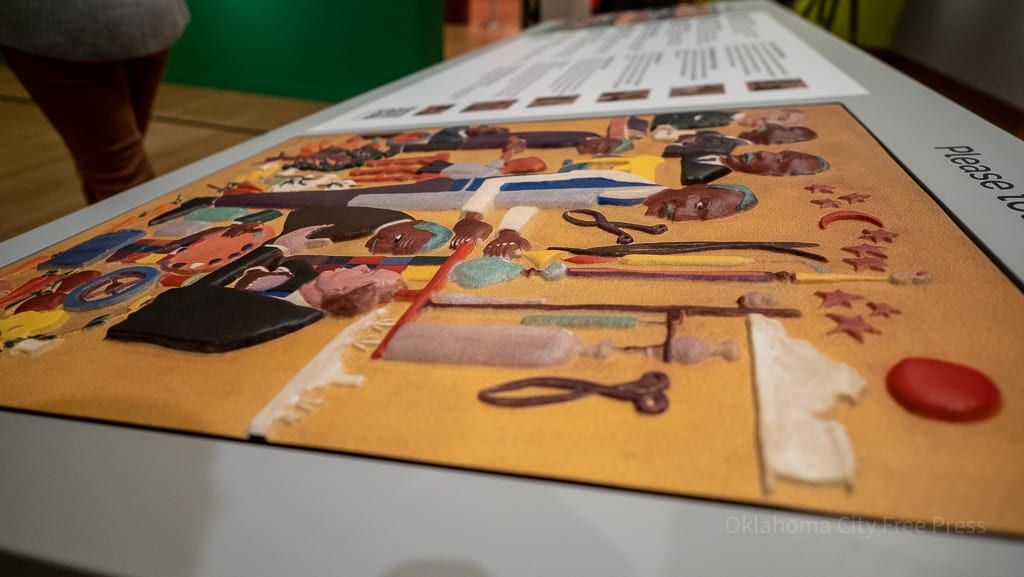
To support patrons with vision loss, many of Civic Center Foundation’s performances work with GalaPro App, which delivers audio description directly to a visitor’s smartphone. For visitors with significant vision loss, audio description translates visual elements of a performance — such as stage arrangements and performers’ body language — into spoken detail, helping make the experience more accessible and immersive.
Deaf and hard-of-hearing
For Deaf and hard-of-hearing audiences, Civic Center Foundation offers several accessibility resources, including captioning through GalaPro, ASL interpretation and an assistive listening system.
With GalaPro, visitors can follow captions on their smartphones as a performance unfolds. The app also offers audio amplification, allowing visitors to listen through headphones at a higher volume.
Civic Center Foundation also provides ASL interpretation for select performances, available upon request with at least two weeks’ notice. In addition, performances in the Thelma Gaylord Theatre are supported by an induction loop assistive listening system.
Challenges and ongoing commitment
Accessibility for Deaf and hard-of-hearing audiences and for people who are blind or have low vision emerged consistently as areas where support is still developing.
Financial limitations, staffing constraints, and the physical realities of existing buildings all present real barriers. Still, these challenges have not diminished OKC’s arts and culture organizations’ commitment to identifying gaps and improving access.
“Building relationships with [disability] communities is important to us because we want people with lived experience to help us better understand where barriers exist and what meaningful access looks like,” said Christine Gibson, Director of Education at OCAC. “We want to think intentionally about whose work and perspectives we present and create more opportunities to work with and learn from disabled artists and community members.”
Disability representation in OKC arts and culture
Accessibility is about more than accommodations. It’s also about representation — whose voices shape programming, and who sees themselves reflected in Oklahoma City’s cultural life.
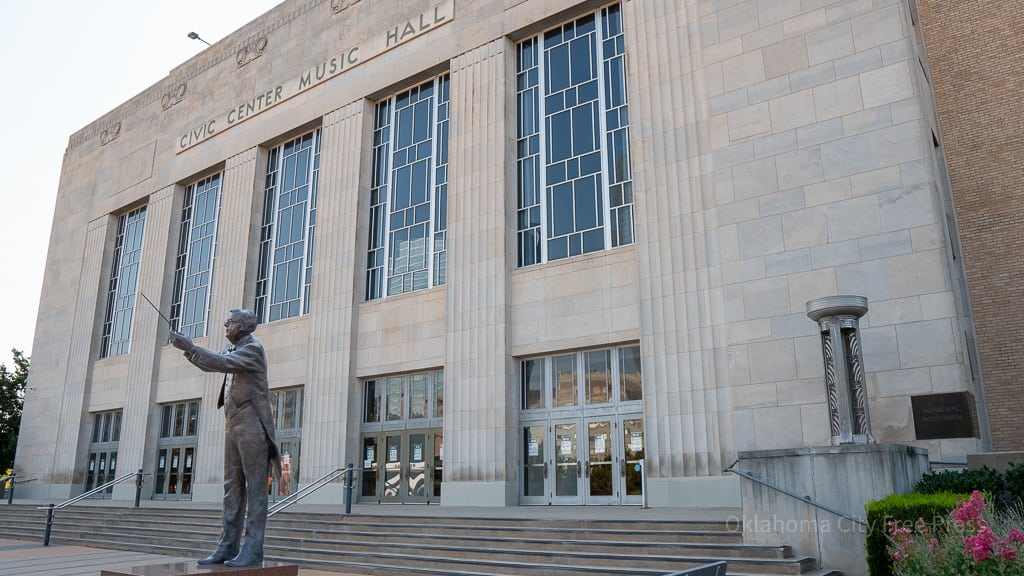
Civic Center Foundation’s Spotlight Initiative supports organizations that serve people with disabilities, providing opportunities to rehearse and perform. They recently partnered with Wings OKC, a community supporting adults with developmental disabilities, to perform Disney’s Dare to Dream JR., a musical revue of some of Disney’s most beloved songs from the past 100 years.
“It’s not every day that a musical is staged with a full cast of adults with intellectual disabilities,” said Avery Stevens, Director and Performing Arts Instructor at Wings OKC, in her director’s note. “It also isn’t every day that this population gets to talk about their dreams. But, we’re here to change that.”
At FAM, disability representation often intersects with Native identity and military service, creating space to recognize the experiences and contributions of Native veterans with disabilities.
“Natives with disabilities are depicted throughout our galleries, especially in our Warriors section of the OKLA HOMMA exhibition,” said Tish Barrios, School & Tour Programs Manager at FAM. “Each November, we invite Veterans from all 39 tribal nations in Oklahoma to be entered into our interactive searchable database to honor those who have served, many of whom are disabled.”
For Factory Obscura, inclusion extends from visitor experiences to the artists who create the work.
“The magic of a Factory Obscura experience comes from the highly collaborative creative process, which involves artists and makers from a wide variety of skillsets, backgrounds, and perspectives,” said Kelsey Karper, Co-Founder & CEO. “We’ve had hundreds of artist contributors over the years, including artists with disabilities.”
Continued commitment
Across OKC’s arts and cultural community, accessibility is increasingly being approached as a continual practice rather than a one-time effort. Organizations are listening to the communities they serve, identifying gaps, and adapting their programs and spaces to create more inclusive experiences.
“Accessibility is not a finished project — it’s an ongoing commitment,” said Dee Llanusa, Director of Marketing & Sales, Civic Center Foundation, OKC. “We don’t believe accessibility is simply about meeting legal requirements; it’s about creating an environment where everyone feels genuinely welcome and can participate fully in the arts. The Oklahoma City arts community has made meaningful progress through collaboration among cultural organizations, disability advocates, and community partners…we are proud to be part of a community that continues striving toward greater inclusion.”
Learn more
Full lists of accessibility accommodations offered by each organization extend beyond the scope of this article. For more information, reach out to each organization or visit their websites.
Civic Center Foundation/Civic Center Foundation
Oklahoma City Museum of Contemporary Art
Oklahoma Contemporary Arts Center

Erin Schalk serves as a professional writer, visual artist, voice narrator, and accessibility-centered educator. She is the recent recipient of multiple Writer’s Digest awards and the Armed Services Arts Partnership’s National Scholarship. She has also received a Best of the Net nomination. Schalk’s work has appeared in Wordgathering, Stirring Lit, Parentheses International Literary Journal, The Petigru Review, and numerous other publications. She also received her MFA from the School of the Art Institute of Chicago.