Grief has been one of the most commonly confronted topics in film for…well, maybe forever.
From shockingly poignant Marvel superhero yarns to some the most effective and powerful Oscar contenders from earlier this year, the tackling of death and unpacking of grief is nothing if not well-trod territory in even very recent cinema.
And still, I can say pretty confidently that “Mouse,” the new IFC-released indie drama from directors Kelly O’Sullivan and Alex Thompson, is among the very few films that really gets it right.
Grief is a difficult thing to even convey in a story. It’s marked by confusion, slowness, and an open resistance to anything like a clear timeline or ultimate closure, all things that tend to run counter to elements like plot or arc.
So O’Sullivan’s script leans into that confusion and into the non-linear path toward something like continuation (because closure and conclusion aren’t really on the table,) with her characters criss-crossing wildly between self-destruction and reconstruction as they attempt to reckon with the death of their town’s brightest young light.
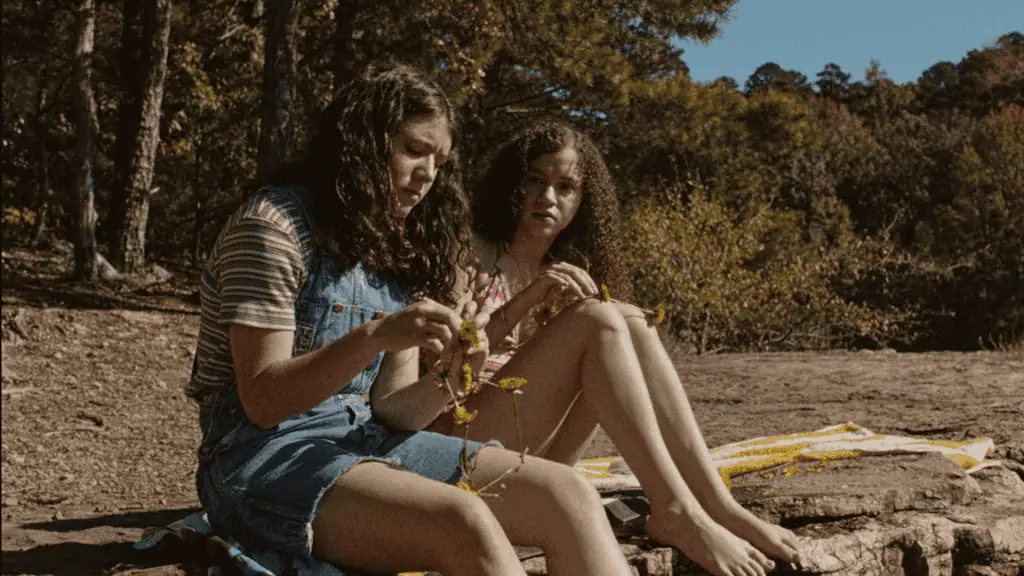
It’s 2002 in suburban Arkansas, and the local high school is celebrating the end of the school year with a party at the house of the most popular, most loved, and most talented girl, Callie.
Callie is the heart of the community, already a singing and acting queen, the star of the school’s theatre, and the kind of lovable, generous, and thoughtful person with close friends across social boundaries and high school hierarchies.
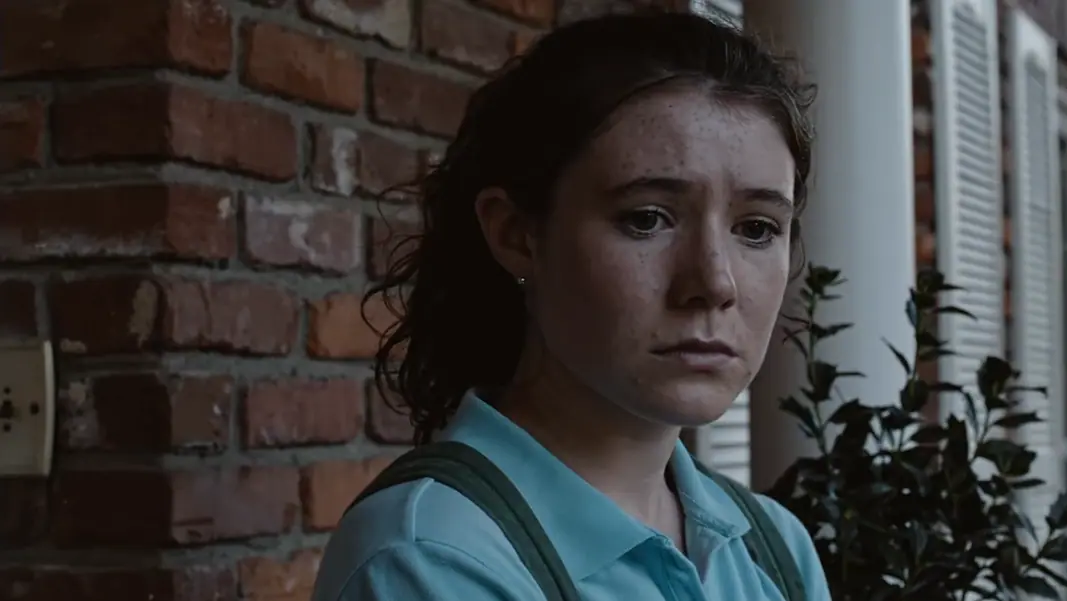
But her best friend is clearly the shy, insecure, and yes, mousy, Minnie, Callie’s lifelong companion since early childhood and the person with the closest and strongest bond with Callie outside of her mother, Helen.
The kids party, play (typically mean-spirited) teen games, talk, revel in Callie’s vocal talent, and reiterate their loose tolerance of Minnie, who Callie’s more popular and rich friends predictably don’t like.
But still, it’s Minnie that gets to share Callie’s room (and the bulk of Callie’s attention) for the sleepover, with the two up all night sharing their big plans and wide-eyed outlook for a future that’ll see them both more successful and more respected than they could ever hope to feel as teenagers.
And then the next day, Callie is killed in a car accident, and all of their worlds stop.
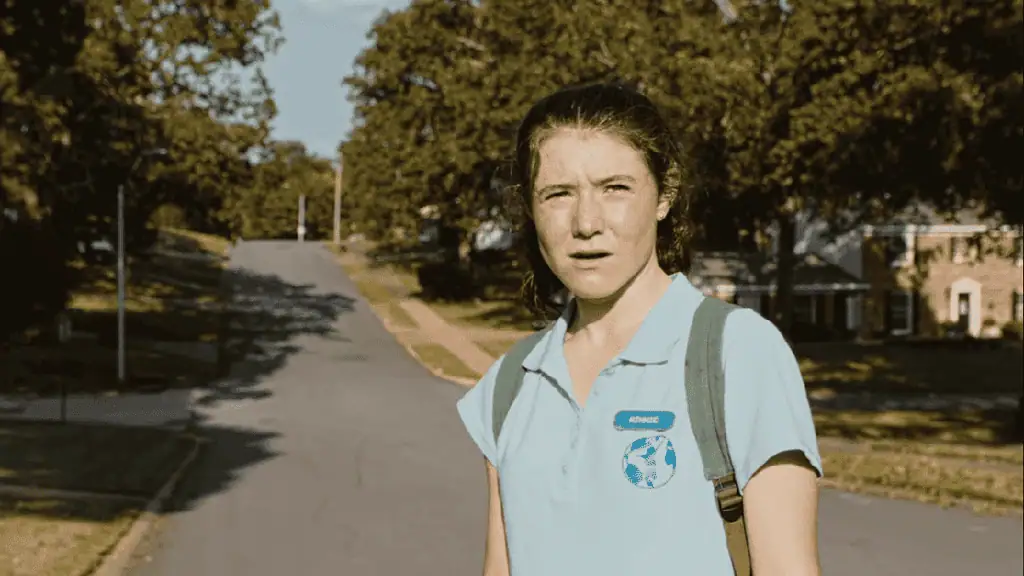
It’s the shock, then it’s the confusion and denial, then it’s the funeral, and then it’s three months later.
School is starting back up and the world has resumed spinning and things are moving forward, but not for Minnie and not for Helen.
Grief is a gravity well in space, and time slows down the closer to its center you stand. If you’re right in the middle of it, right at the gravitational heart of that feeling, then time effectively just stops for you, and there is nothing more frustrating and inconceivable than watching the rest of the world resume and continue on while your world remains at a standstill.
For Callie’s mother and best friend, those three months weren’t nearly enough. And as the rest of their town is back on its feet, ringing the bell on a new school year and throwing new parties and planning memorial tributes to its departed star, Minnie and Helen are both still stuck and floundering in a grief that feels real and genuine.
O’Sullivan’s script shines in its ability to capture the full weight and range of true grief in the dual leads of Minnie and Helen.
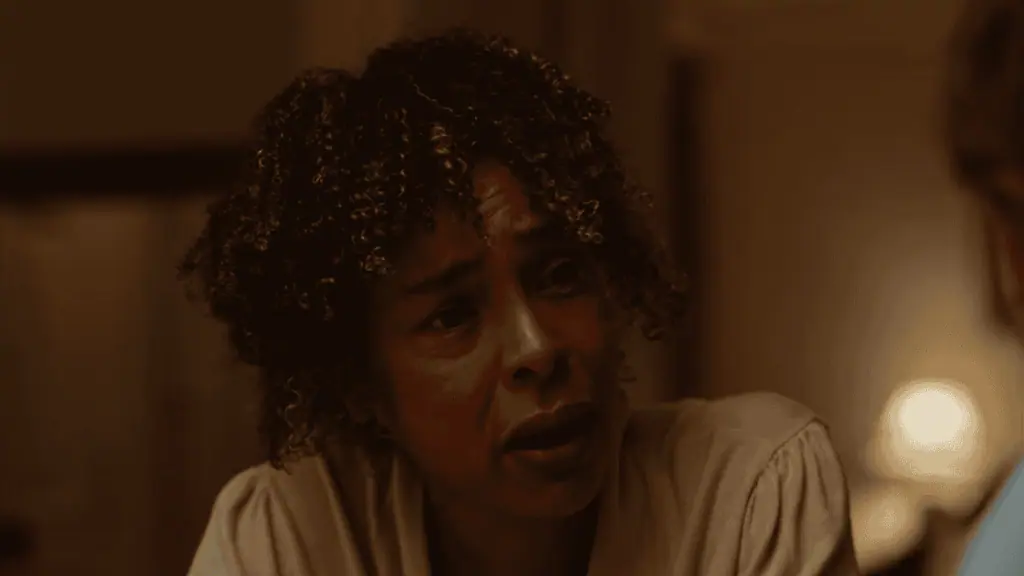
It’s in the unpredictable back-and-forth of their states, from depressive and lashing out to joyfully embracing new opportunities and friends, to then crashing back out again at a moment’s notice, turning on a dime between trying to get their heads above water and surrendering to the undertow.
It’s in the questions that they ask, point-blank, of the unprepared people in their orbits. Minnie asks her potential new connection if it’s wrong to feel moments of happiness while you’re still grieving. Helen asks if she’s even still a mother now that her child is gone.
These are the real questions of real grief. It’s not just “how will I get over this loss?” it’s “who even am I and what am I allowed to be without this part of myself?”
While the full ensemble – include the always great David Hyde Pierce and Marvel breakout Iman Vellani – is great, “Mouse” is really all in its leads: Oscar-nominee Sophie Okonedo as Helen and the remarkable Katherine Mallen Kupferer as young Minnie, the titular mouse, all nerves, awkwardness, and unrestrainable confusion.
They’re both fantastically well-cast, and their cascading and tangled arcs are beautifully accompanied by an evocative and glittering score from Hamilton Leithauser, frontman of driving indie-rockers (and past NMF headliners) The Walkmen.
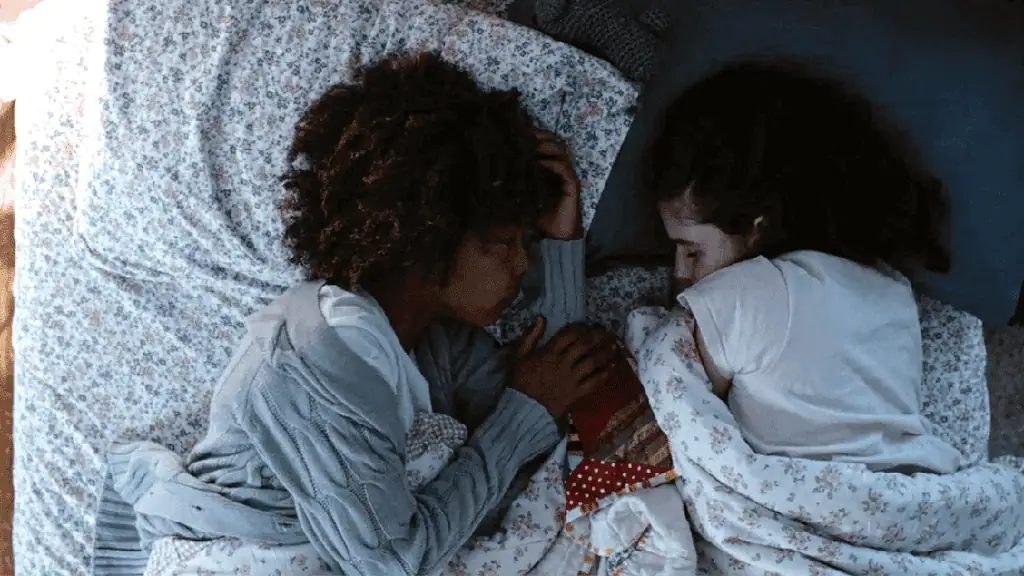
“Mouse” is a gem of a film, wearing its realism on its sleeve with no attempt at glamorizing or movie-izing its subject matter.
It’s a film for anyone that’s ever dealt with true, earth-shattering loss. It’s for anyone that’s ever been left cold by Hollywood attempts to turn grief into tight tales of growth and closure, rather than open-ended stories of change, of the gradual realization that grief never ends, that closure never comes, and that continuing is all about trying a little harder every day to move forward.
“Mouse” is the kind of small, emotionally complex indie that’s unfortunately likely to be looked over come awards season.
But if you want to feel the kind of complicated emotionalism and well-earned heart that too many bigger swings so often miss, then you’ll want to catch this mouse while you can.
“Mouse” is now playing in select theaters in Oklahoma City.
Catch Brett Fieldcamp’s film column weekly for information and insights into the world of film in the Oklahoma City metro and Oklahoma. | Brought to you by the Oklahoma City Museum of Art.

Brett Fieldcamp is the owner and Editor in Chief of Oklahoma City Free Press. He has been covering arts, entertainment, news, housing, and culture in Oklahoma for nearly two decades and served as Arts & Entertainment Editor before purchasing the company from founder Brett Dickerson in 2026.
He is also a musician and songwriter and holds a certification as Specialist of Spirits from The Society of Wine Educators.