
Some theaters and community spaces across Oklahoma are readying for a screening and discussion series confronting questions of land use, organizing, and environmental degradation, all centered on the award-winning 2025 documentary “To Use a Mountain.”
At special screening events in Tulsa, Stillwater, Miami, and Oklahoma City, documentarian Casey Carter will be presenting the film before unpacking its continuing relevance and still-burning concerns in Q&As and discussion panels with environmental advocates and audiences.
The OKC screening will take place Thursday, November 12th at Oklahoma Film Exchange on Film Row.
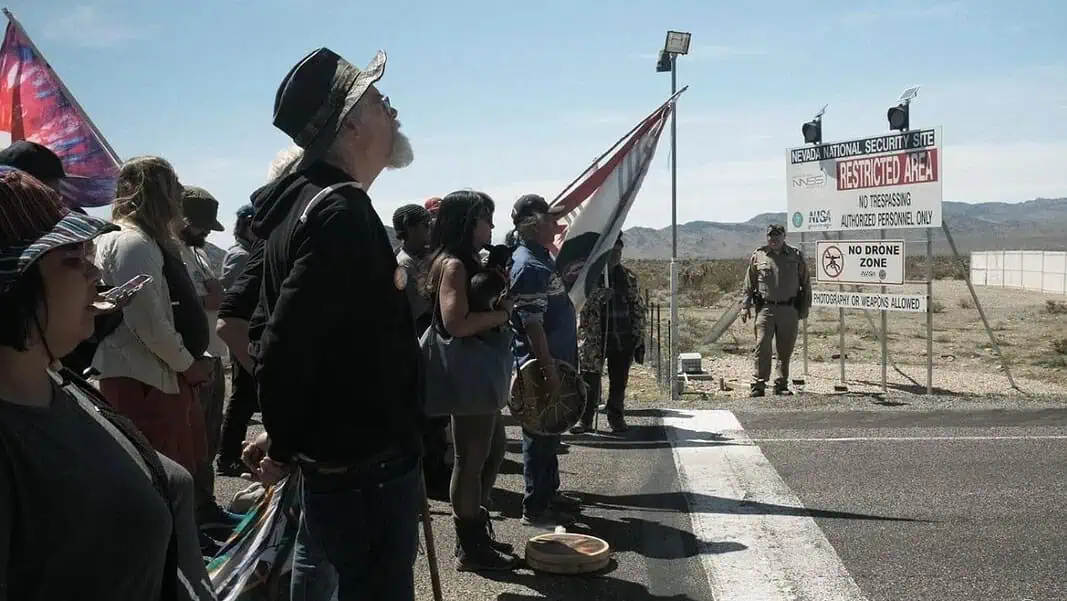
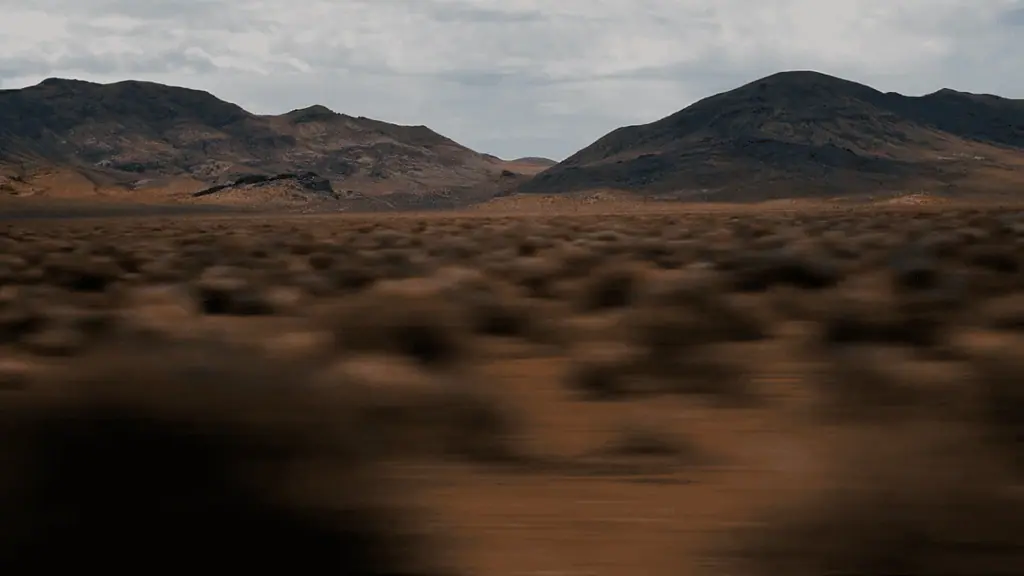
“To Use a Mountain” examines the federal government’s 1980s search for a site in which to dump and store over 70,000 pounds of toxic nuclear waste, and the community organization and pushback that drove the destructive proposal out of a half-dozen rural and Native lands.
Through a series of vignettes, Carter explores the natural histories of the areas, looking closely at the peoples, cultures, legacies, and incomparable environmental beauties that define them, and speaking personally with many of the organizational figures and advocates that led the pushes against the government’s plan from within their communities.
“Initially, my motivation to make the film was a sense of curiosity, both about the gravity of the topic because it’s not like I was setting out to make a film about nuclear energy or nuclear waste,” Carter says in a press statement for the screening series. “I had this idea to make a film about all six of these places to figure out a way to create a portrait of each one and show the communities and the humanity in these places that were so absent. It was the curiosity of these places and the human story that was absent from this bureaucratic history.”
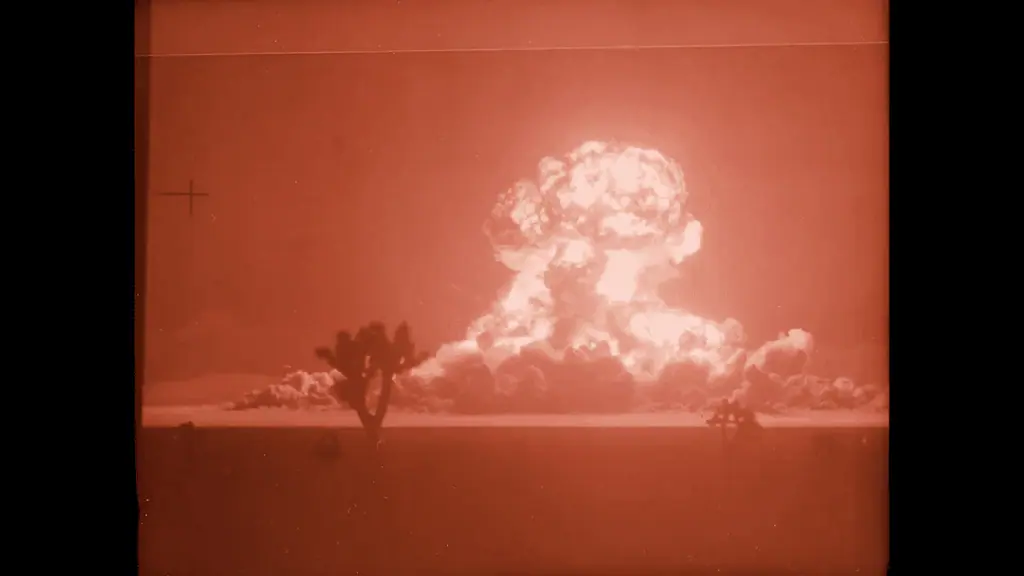
Ultimately, the film grew into something larger than just the stories of those six communities, taking on the full scope of US nuclear controversy.
“The deeper and deeper I got into it, the more I understood about the sprawling impact of the U.S. nuclear history and the extent to which each of these communities faced one violence or another, so many layers of violence but so many inspirational examples of resilience,” said Carter. “I felt a responsibility to pursue the film and do justice to all of the people who were so generous with their stories.”
But while the issues and stories raised in “To Use a Mountain” remain relevant – the eventually decided nuclear waste disposal site at Nevada’s Yucca Mountain has since been halted, leaving the search to continue still – there’s an even greater urgency for the story and struggle in Oklahoma.
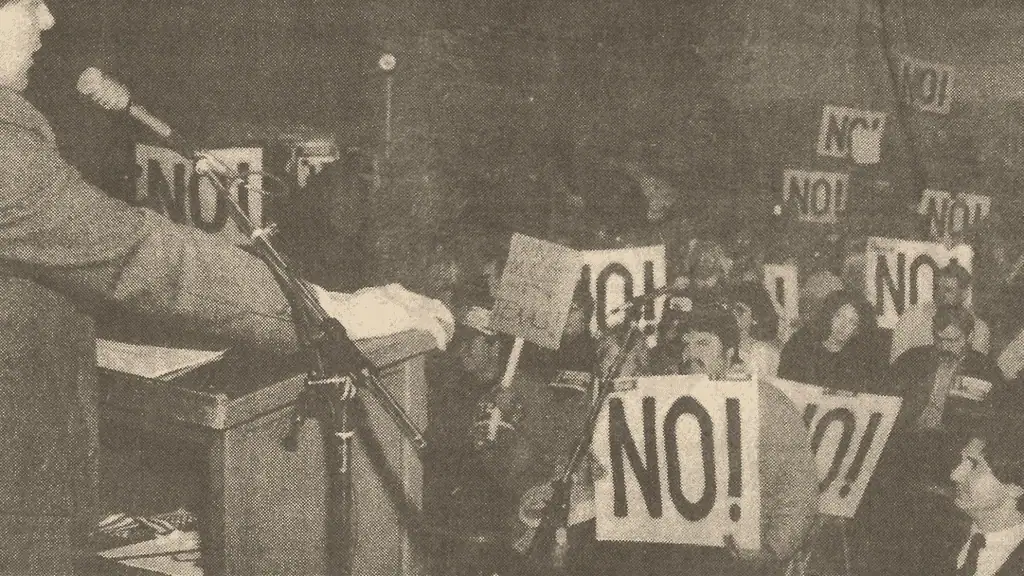
Our state has recently been entered into consideration for a newly proposed Innovative Nuclear Waste Campus by the Trump administration, a move that could result in waste disposal and nuclear energy experimentation right here in Oklahoma’s unique and culturally vital natural landscape.
There’s also the growing local debate over – and resistance to – the proliferation of massive-scale data centers and the potential environmental havoc they could wreak, as well as Oklahoma’s own longstanding human health crises caused by nuclear testing in Enid, Oklahoma’s large Marshallese population.
All of those concerns are expected to be discussed and explored in these upcoming screening and panel events for “To Use a Mountain.”
The screenings are sponsored and co-hosted by Oklahoma’s L.E.A.D. Agency, an environmental justice and anti-pollution concern spawned from Miami, Oklahoma’s notorious Tar Creek Superfund Site, already one of the worst contamination sites in American history.
The OKC screening on November 12th will feature a panel discussion with Carter himself alongside Ashley Nicole Leitka of Indigenous-led organizers Honor the Earth, Madison Lovell of the Oklahoma Environmental Coalition, and OKC-based filmmaker (and recent Sundance Institute Native Lab member) Miles T. Red Corn.
For more, visit oklahomafilmexchange.com
Catch Brett Fieldcamp’s film column weekly for information and insights into the world of film in the Oklahoma City metro and Oklahoma. | Brought to you by the Oklahoma City Museum of Art.
Brett Fieldcamp is the owner and Editor in Chief of Oklahoma City Free Press. He has been covering arts, entertainment, news, housing, and culture in Oklahoma for nearly two decades and served as Arts & Entertainment Editor before purchasing the company from founder Brett Dickerson in 2026.
He is also a musician and songwriter and holds a certification as Specialist of Spirits from The Society of Wine Educators.