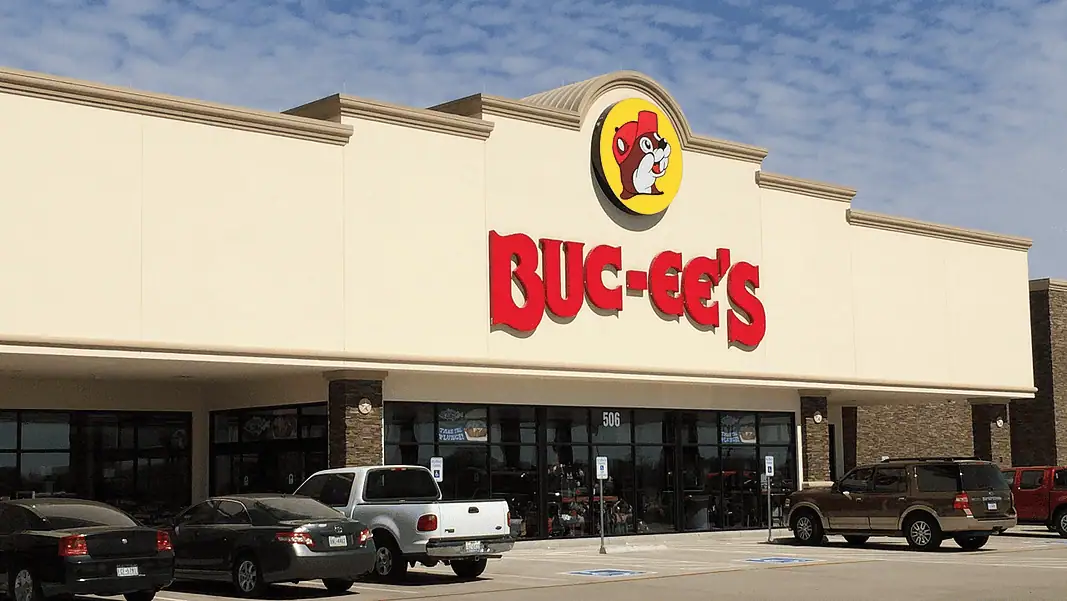

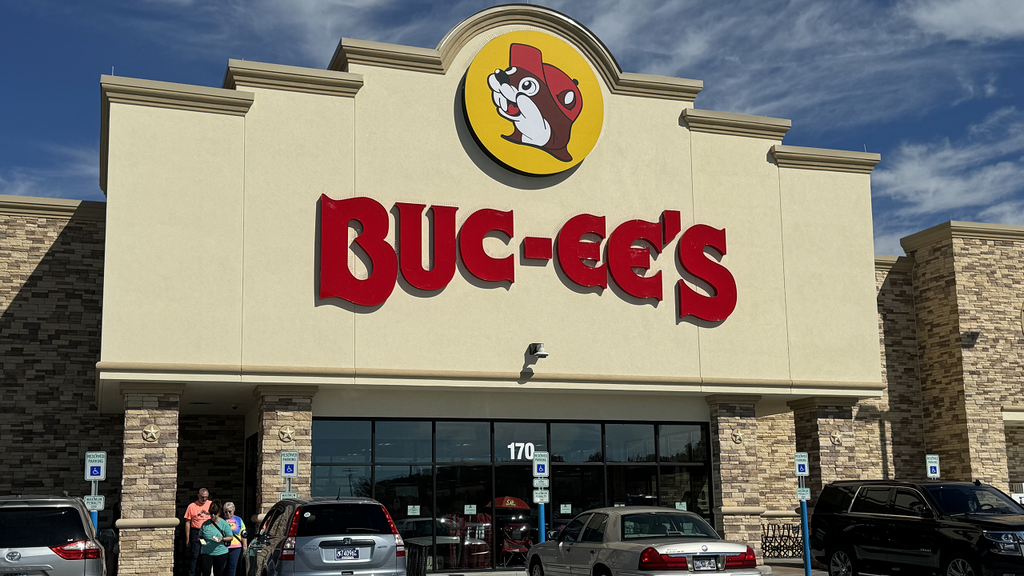
OKLAHOMA CITY– In a 5-2 vote Tuesday morning, the City Council of OKC approved funds for road construction in far west Oklahoma City, making way for the state’s first Buc-ee’s travel center, but not without a stimulating debate both for and against the project and what it might mean for the future of OKC.
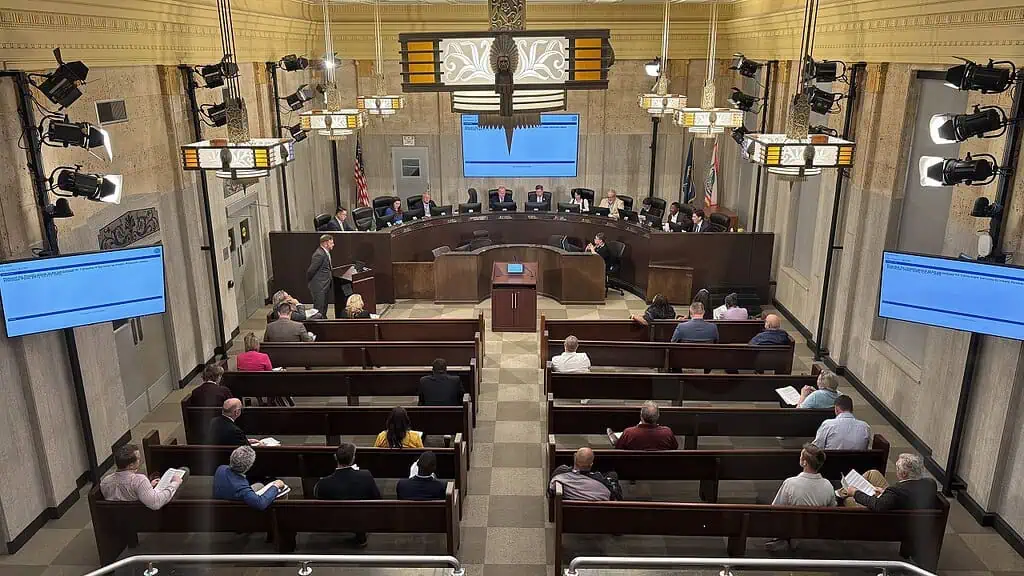
The item sparked a heated conversation before the vote hinging on city culture and sales tax revenue, with Ward 2 councilman James Cooper and Mayor David Holt offering compelling and competing reasons for and against the construction.

Councilman Cooper said that once the City approves this, “it will not just [bring] jobs, but brand new subdivisions… taking away farm and country land.”
Vote funds major road, highway project
City Councilors were not asked to vote for or against bringing a Buc-ee’s to OKC, despite the beloved gas-station-and-mega-store’s central role in the story. They were asked to approve a project agreement between CSMS Management LLC, the real estate company owned by Buc-ee’s CEO, and the Oklahoma State Department of Transportation (ODOT) to partner for an infrastructure project.
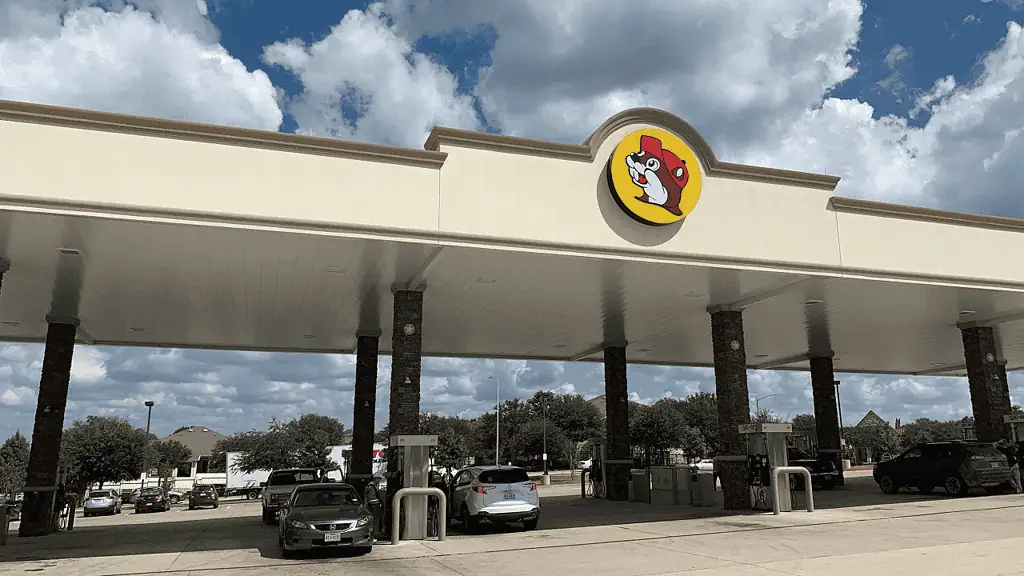
With the vote successfully passed, ODOT and CSMS will begin working to repair and expand infrastructure in West OKC to support a Buc-ee’s store in Ward 3.
A memo from City Manager Craig Freeman calls this “a congestion relief project” for the overpass at I-40 and North Cimarron Road which “includes improvements to the bridge interchange, approaches, and ramps.”
The memo from Freeman’s office includes details about how the City, CSMS, and ODOT are to split up payments for this construction. The City has agreed to pay up to $10 million, or, 30.3% of the project’s high estimate cost of $33 million. CSMS will pay 24.2%, and ODOT will pay 42.5% of the total cost.
Concern about sprawl, subdivisions
“It will not just be jobs going to that part of Oklahoma City, but it will be brand new subdivisions,” Cooper said before the vote.
Councilman Cooper argued his belief that an influx in new commercial and new residential growth to that area could be a threat to current businesses and residents. Roads now made of red dirt will need to be paved, two-lane streets will need to be widened, and adjacent land will need to be acquired.
“I am worried about losing our farm and country land,” he said, “particularly to gas stations.”
To bring a big business like Buc-ee’s to west OKC would be to only turn up the heat on an already white hot area of growth in Oklahoma City, Cooper contended, which would mean more subdivisions.
“Ask the residents of Ward 3 right now: How are their roads?” he said. “They have been imploring their counselors for the last two terms to do infrastructure improvements already. We are about to put more on their plate, and we’re going to be doing that at the expense of the rest of the city.”
Cooper offered an alternative vision for construction projects like this, saying that repairing corridors that have “long languished” in the city makes way for “job opportunities, housing, and mixed-use development,” which could fill up the “sales tax and property tax coffers.”
The Councilman also proposed a “yes, and” to his peers on the dais, invoking a number of those “long languished properties across OKC.
“Bring Buc-ee’s here,” he said, “but then also let’s redevelop Interstate 240… Shepherd Mall… Penn Crossing.”
Sales tax could be big benefit for City
Mayor Holt was ready with a response which ostensibly was a defense of a “yes” vote for the project. He addressed the sales and property tax question, and agreed with the concerns stated previously.
“I share your concern about our finances and our ability to provide services across the city,” Holt said, but added “there’s no question this is going to be a sales tax benefit.”
Holt offered clarity, too, that the City is not paying to build a Buc-ee’s, but to support infrastructure development, saying that infrastructure development, ideally, will be for the benefit of Oklahoma City residents, not just folks traveling down I-40 from out of state.
According to Mayor Holt, this development at I-40 and North Cimarron- and the ensuing Buc-ee’s store to be built at its northwest corner- will benefit OKC residents by bringing in sales tax dollars that can be employed to City projects such as those that Cooper mentioned.
“We have every reason to believe that drivers for hundreds of miles will steer their activity towards this Buc-ee’s,” Holt said, “When they could have stopped at a gas station in Weatherford, they will instead come to this location and because it is in Oklahoma City, we will realize the sales tax benefits of that, which will be dollars we can use across the community.”
‘There has to be a moment…’
Holt and Cooper appeared to agree on the necessity of generating greater sales tax revenue for the City. But while Holt was excited at the potential tourism and recreation revenue that a Buc-ee’s can bring, Cooper remained concerned about the future development burden likely to be placed on City resources once the travel center sparks wider development in the area.
“There has to be a moment where we can say ‘no,’” Cooper said about further developments like this one, believing instead that those City resources could be better employed elsewhere to induce the necessary growth.
“We could say ‘no’ in this moment,” he said, “that this is not the vision that we have for how to generate those sales tax dollars.”
The agreement passed 5-2, with Cooper and Ward 6 councilor JoBeth Hamon voting against.
Tyler Smothers is a local, an Okie, and a poet living in Oklahoma City with his wife, Sadye, and their animals, Toby and Oscar.
He teaches medieval history and literature to 7th graders and loves everything from "Canterbury Tales" to "Mrs. Dalloway."