Is there a journalistic responsibility in documentary filmmaking?
Obviously the general conceit of documentary film is that it’s true – or sometimes “true” – but does that mean that it should adhere to the same ethics of news reporting and the same accepted rules of journalistic integrity?
Do those things even exist in the same way in 2026?
Well, when it comes to the new Rachel Maddow-produced streaming doc “Kill. Bury. Print.”, the answer appears to be “no,” and that’s a real shame, seeing as the story it’s telling is entirely about the difficult lengths of journalistic integrity and responsibility, and right here in Oklahoma, no less.
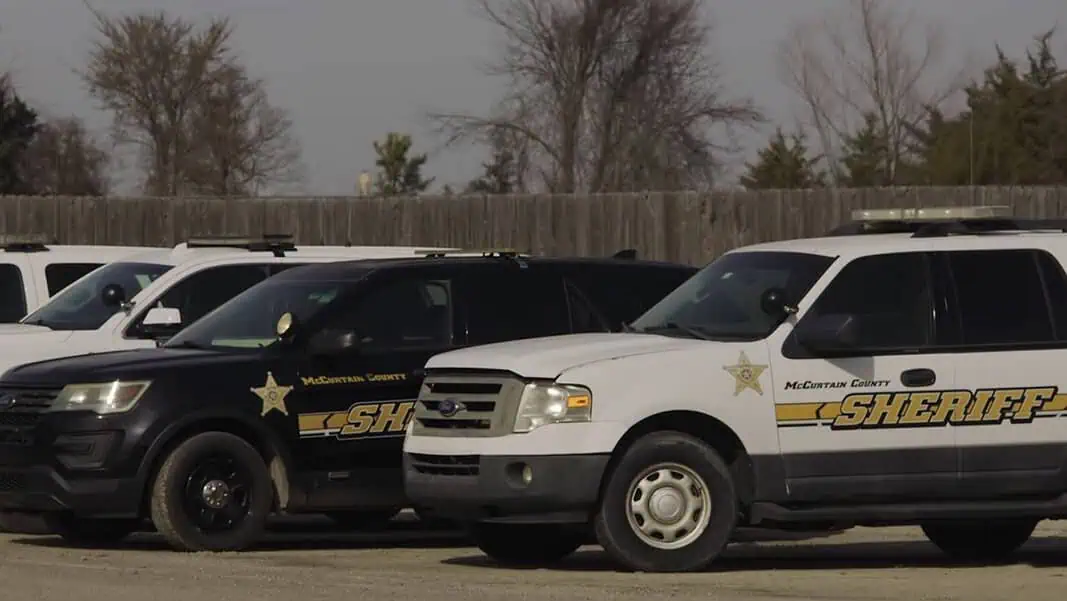
If you’re not familiar, “Kill. Bury. Print.” unpacks a months-long period of turmoil and animosity that gripped far southeastern Oklahoma’s McCurtain County across 2022 and 2023, thanks to an increasingly hostile sheriff’s office and its boiling ire for the county’s one local newspaper.
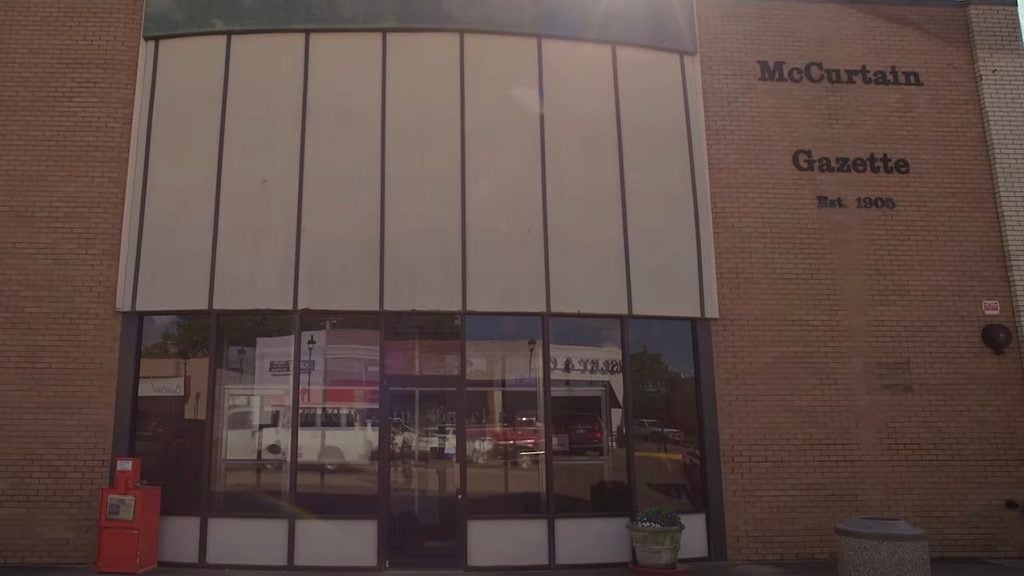
The McCurtain Gazette, locally owned and operated by the Willingham family, had begun incurring the frustration of McCurtain County Sheriff Kevin Clardy through a series of probing articles alleging significant failures of organization and oversight and possible impropriety with a subordinate in the sheriff’s office.
After a lot of back and forth, some newly restricted access to the office, and plenty of spiraling criticism of the sheriff and his leadership, the creeping suspicions of Gazette owner Bruce Willingham led him to leave a voice-activated audio-recording ink pen in the County Commissioners board room after a meeting.
Willingham’s suspicions that the commissioners and sheriff were having unlawfully private meetings turned out to be correct, but the recording captured way more than that.
Sheriff Clardy, Sheriff’s Office investigator Alicia Manning, and McCurtain County District 2 Commissioner Mark Jennings were caught on the recording joking about lynching Black residents, killing and burying the Gazette reporters, and hiring a team of hit men to make them disappear.
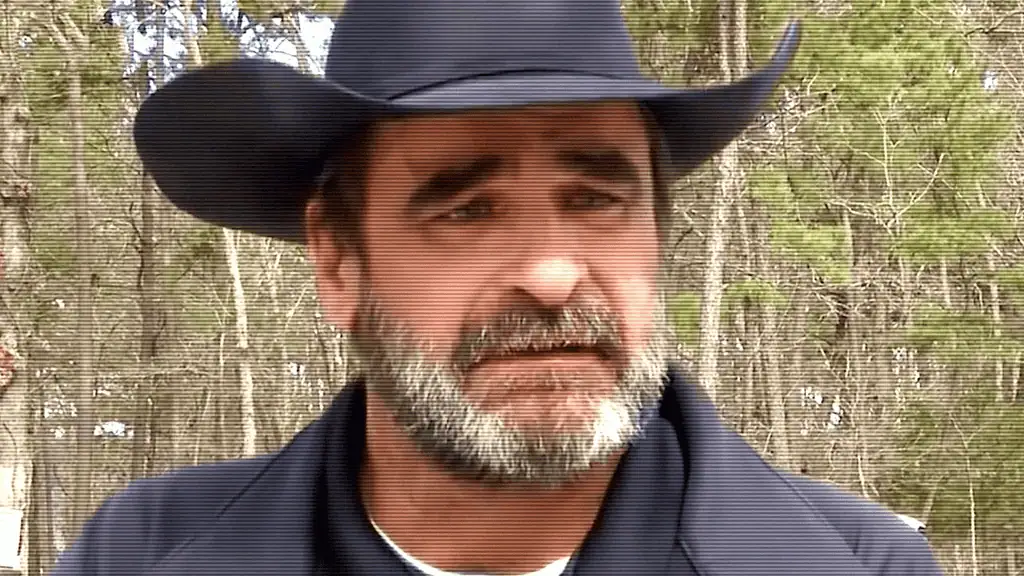
When they were caught and the recordings were released, they all claimed it was just frustrated joking, the harmless, obviously exaggerated musings of a private conversation, “locker room talk.”
For the reporters, it was terrifying.
It was a massive scandal for such a small, mostly rural community, and it pretty easily captured the interests of major national news personalities like Maddow.
And it didn’t end there. A State-level investigation was launched, Attorney General Drummond got involved, and Governor Stitt openly called on everyone on the recording to resign.
Only Jennings did.
Clardy and Manning refused to step down and instead ramped up what felt like a retaliation campaign against the McCurtain Gazette, including outright intimidation and appearing to spread rumors that Chris Willingham (Bruce’s son and the head reporter on the critical and investigative stories about Clardy’s office) was a pedophile and rapist.
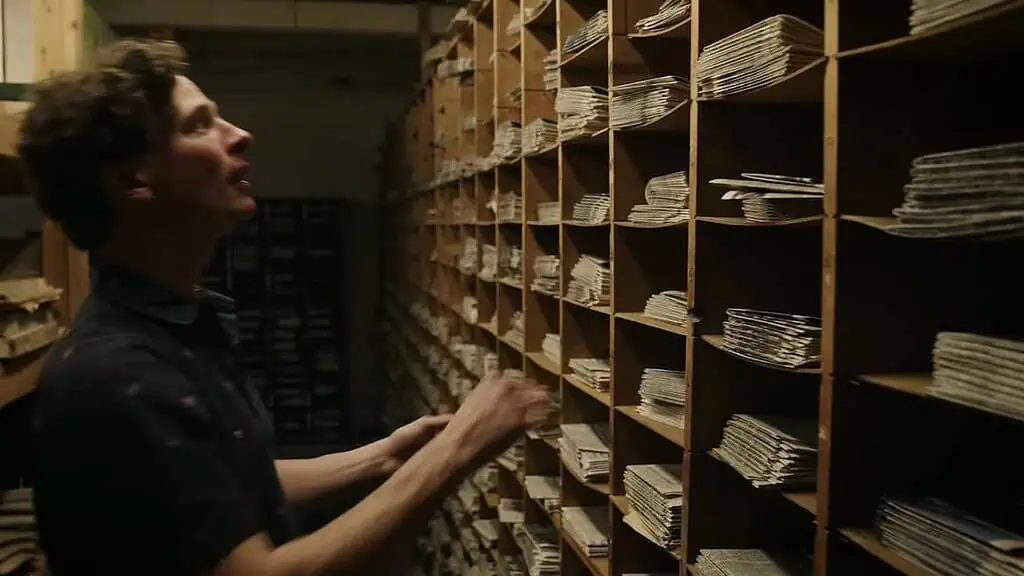
All of which is to say that this is an incredibly deep and concerning story of rogue law enforcement and press intimidation that undoubtedly needs to be told.
I’m just not sure that it’s best told the way that director Ben Klein tells it here.
A lot of “Kill. Bury. Print.” trades heavily in hearsay, accusations, and unproven or unresolved allegations in both directions, and Klein, maybe unsurprisingly, has a clear agenda: frame the sheriff’s office as violent and power-mad and frame the journalists as beacons of civic duty.
Both of those things could be entirely true, in fact, but the film repeatedly undermines itself by shoehorning in a bunch of flat-out inflammatory stuff about Clardy that doesn’t need to be included and that is totally unfounded.
Klein sees fit to include loads of speculation about Clardy’s possibly inappropriate relationship with Manning, the implication that his office didn’t do enough to find missing persons or solve major crimes, and an especially egregious moment that openly accuses Clardy of being high on meth with absolutely no proof or recourse. And the allegations and rumors about Chris Willingham are mostly just hand-waved away as intimidation, even though there are still ongoing court cases, questions, and unresolved accusations.
I kept expecting all of those points to just be foreshadowing, for them to come back later in the film to provide evidence to validate, confirm, or exonerate those suspicions and accusations, but no. Klein just lets them stand as ways of further painting Clardy as an unhinged potential madman that could snap at any moment.
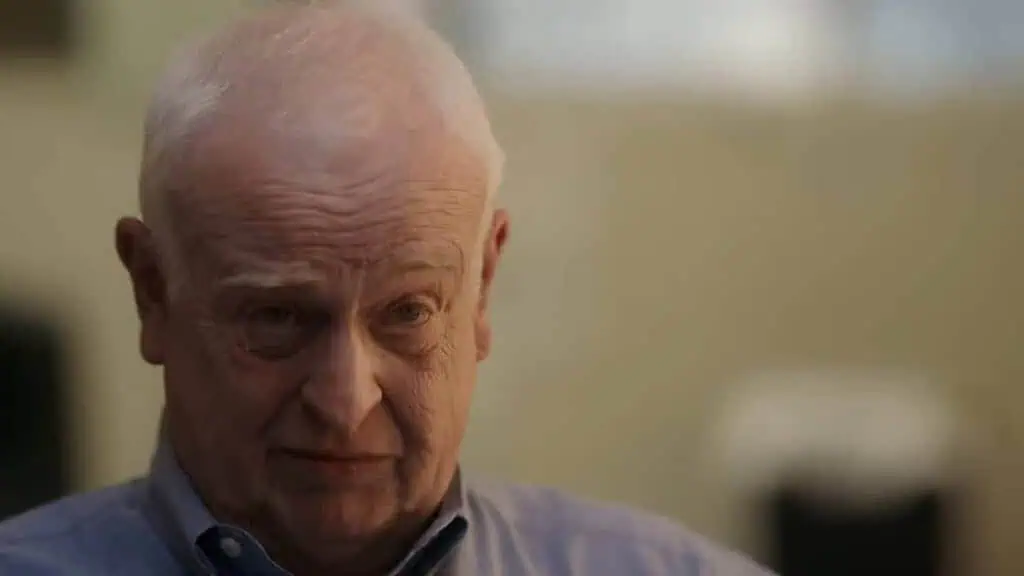
A lot of that is probably down to the fact that practically every allegation and development in the film is still currently tied up in court, so there’s been no official ruling or resolution to anything presented. And because Clardy and Manning refused to participate, citing the ongoing court cases, all that the film has to fall back on is hearsay and conjecture.
For a film about journalism, it ends up not feeling journalistic at all.
And that’s a shame, because there’s a very real and very concerning story here about the challenges of reporting on a hostile government department, about the intimidation that can be used against reporters, and about the courage and even sacrifice that real journalism can require (yes, I’m biased, I know.)
It could so easily have been a film examining the systems, sentiments, and ideologies in rural Oklahoma that could elevate someone like Clardy to authority, presenting the recording as an example of the private discussions and private mentalities that so often remain hidden, whether their comments were truthful or joking.
But instead, it’s a whole film that’s trying to make you absolutely believe that they were being truthful, to make you scared of Clardy, and to make you feel sure that he not only was being serious about wanting the reporters dead, but that he could actually make it happen.
Is that all true? I honestly don’t know, but I can say with certainty that neither does Ben Klein.
Rather than a documentary about the complexities of local journalism in the face of easily abused power, we’re given a hero-versus-villain story, and I think it’s far weaker because of it.
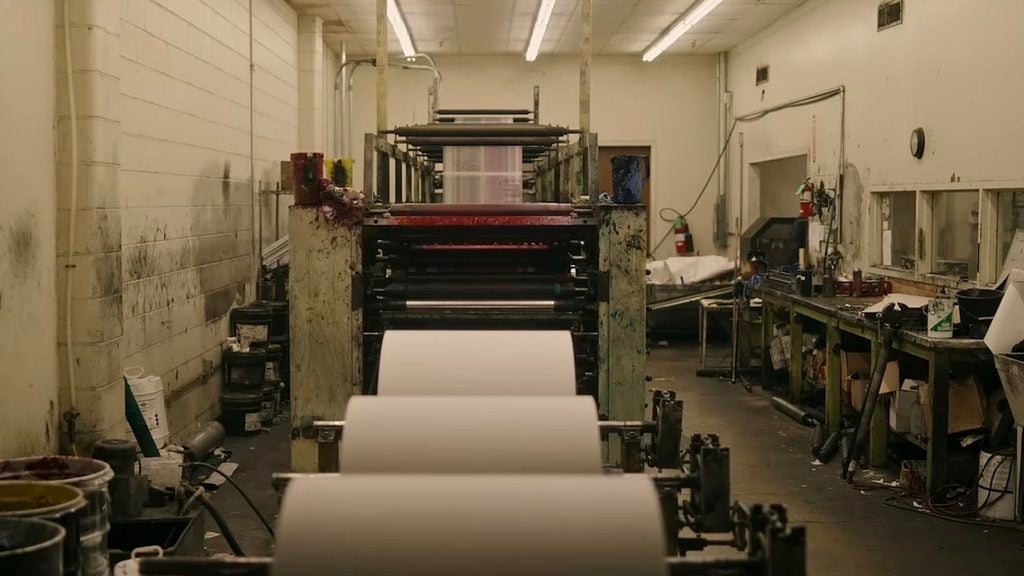
Ultimately, it doesn’t feel like journalism, it doesn’t feel like it’s holding itself to any clear ethics, and it doesn’t feel like it’s carrying any burden of responsibility to factual, verifiable information. It’s kind of just sensationalism, which – I hate to say – is exactly what Clardy and Manning have been accusing the Gazette of since the beginning.
It’s intriguingly told, it’s well produced, and it undeniably raises a deeply concerning and important story to the appropriate heights of national discourse. But it unfortunately shoots itself in the foot a few times on its way.
You’re probably better off just reading about it all in the McCurtain Gazette.
“Kill. Bury. Print.” is streaming now on Peacock.
Catch Brett Fieldcamp’s film column weekly for information and insights into the world of film in the Oklahoma City metro and Oklahoma. | Brought to you by the Oklahoma City Museum of Art.
Brett Fieldcamp is the owner and Editor in Chief of Oklahoma City Free Press. He has been covering arts, entertainment, news, housing, and culture in Oklahoma for nearly two decades and served as Arts & Entertainment Editor before purchasing the company from founder Brett Dickerson in 2026.
He is also a musician and songwriter and holds a certification as Specialist of Spirits from The Society of Wine Educators.