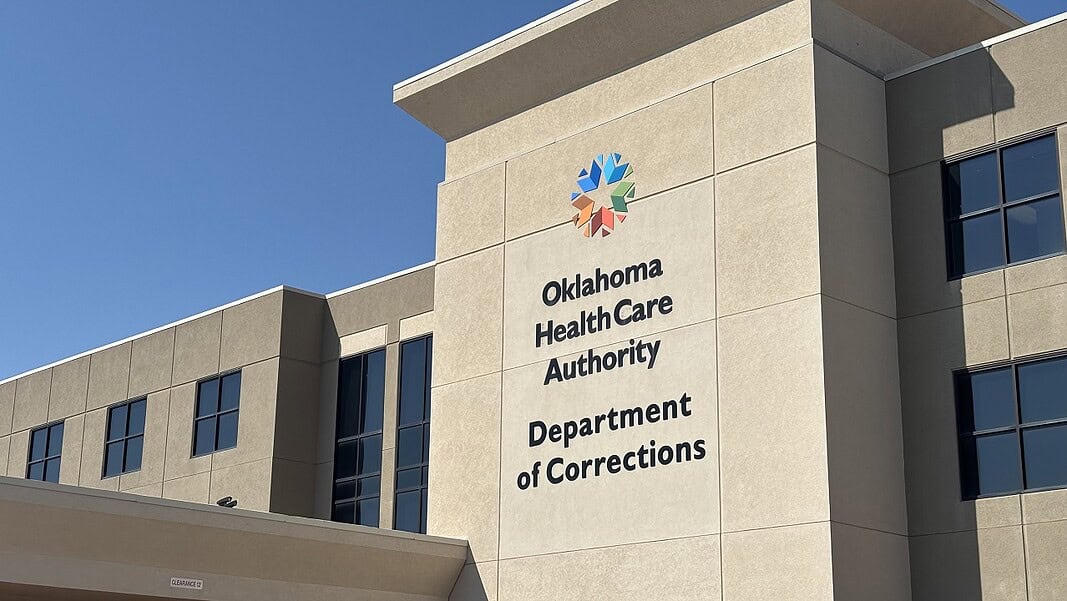

OKLAHOMA CITY – Significant changes to Medicaid are set to take effect next year, altering how millions of Americans––including nearly 1 in 4 Oklahomans––access and maintain their health coverage.
In Oklahoma, advocates and health care leaders warn that the changes could have consequences reaching Medicaid recipients and beyond, affecting people with disabilities, rural communities, hospitals, and an already-strained health care system.
By January 1, 2027, states will be required to implement significant changes to Medicaid under H.R. 1, also known as the One Big Beautiful Bill Act, passed by Congress on July 3rd, 2025.
The most significant eligibility and screening requirements outlined on Medicaid.gov include:
- Requiring states to condition Medicaid eligibility for certain adults ages 19–64 on completing at least 80 hours per month of work or other qualifying activities, such as community service.
- Requiring states to renew Medicaid eligibility for expansion adults every six months, rather than annually as previously required.
We spoke with the Oklahoma Policy Institute (OK Policy) to better understand what Oklahomans need to know.
“We see this as a dual barrier,” said Kati Malicoate, OK Policy Communications Associate. “The work requirements themselves can exclude people from coverage, while the reporting and documentation process creates a separate risk that eligible people will lose care simply because they cannot navigate new red tape.”
‘Procedural barriers’
The work requirements and increased risk of losing Medicaid coverage due to administrative demands are closely connected. Consistent access to health care, including medications, treatments, supportive services, and continuity with medical providers, can be an important component of maintaining good health.
That access can also be critical to a person’s ability to remain well enough to work. In this sense, policies designed to encourage employment could make it more difficult for some people to remain in the workforce if they lose access to the health care and supports they rely on.
“These are not simply people outside the workforce,” said Alex Good, OK Policy’s Southwest Regional Organizer. “They include working Oklahomans and parents, many of whom work full-time in jobs that do not offer affordable health insurance. Taking away SoonerCare does not mean people stop needing health care––it means they become uninsured and are less able to afford a doctor’s visit, medication, or preventative treatment. When an illness or injury goes untreated, it often becomes more severe and more expensive to address.”
Good explained that a lack of willingness to work is not necessarily the underlying issue, and that stricter work requirements have not been consistently shown to increase employment. Historically, states that have implemented such requirements have seen substantial numbers of eligible individuals lose coverage, often because of administrative burdens and difficulties meeting new reporting and documentation requirements.
“Medicaid should connect eligible Oklahomans with the care they need to stay healthy and participate in their communities—not create procedural barriers that push them out of coverage,” said Good.
Administrative workload and impact on disability communities
Those administrative requirements may create significant challenges for individuals with disabilities and their families. Some individuals may qualify for exemptions, but that does not mean they will necessarily avoid the administrative burden associated with maintaining coverage.
Under the proposed changes to Medicaid eligibility, beneficiaries would be required to prove their eligibility every six months rather than once a year. Doubling the frequency of eligibility reviews could increase the risk of people falling through bureaucratic cracks because of additional administrative burdens––including submitting required paperwork on time, and bottlenecks in processing eligibility documentation.
Requiring someone to continually prove and re-prove their disability and eligibility for services can be physically, mentally, and financially exhausting.
Abbie Stewart, Director of Public Policy and Advocacy at the Arc of Oklahoma
Ultimately, this can lead to the loss of critical benefits because of administrative errors or delays.
“Administrative burden is already a significant challenge for people with disabilities and their families,” said Abbie Stewart, Director of Public Policy and Advocacy at the Arc of Oklahoma. “Requiring someone to continually prove and re-prove their disability and eligibility for services can be physically, mentally, and financially exhausting.”
For many families, that administrative workload can already be substantial. They may navigate special education systems and advocate for appropriate services, complete extensive paperwork, coordinate with schools and providers, appeal insurance decisions, and continually seek access to therapies, accommodations, and other supports.
Depending on the nature of a disability and the level of support needed, parents, family members, and caregivers may spend significant portions of their time acting as case managers rather than simply being parents or loved ones. Over time, this work can become a second job families take on to ensure their loved one has access to the care, education, opportunities, and quality of life they deserve.
“For people with [intellectual and developmental disabilities], Medicaid is more than health insurance,” said Stewart. “It is often the pathway to the home and community-based services and supports that allow them to live, work, and participate in their communities. Even a temporary disruption in coverage can have very real consequences for individuals and the families and caregivers who support them.”
The potential consequences also extend beyond health insurance. The Arc of Oklahoma explained that Home and Community-Based Services Waivers (HCBS Waivers) allow people with intellectual and developmental disabilities to live in their homes and communities rather than in institutional settings.
However, because these services are not federally mandated, states have discretion over funding them, raising concerns that these services could be cut.
These concerns echo the worries over the Department of Justice’s recent Olmstead memo, and its potential threats to disability rights gains in Oklahoma, as reported by Free Press in July:
Access threatened for vulnerable communities
The potential effects of the Medicaid changes also extend beyond individual beneficiaries. Changes in coverage and reimbursement may critically affect the health care infrastructure that serves Oklahomans.
We spoke with Rich Rasmussen, CEO of Oklahoma Hospital Association, to learn more about the populations and communities likely to be impacted.
Rasmussen shared that an important distinction about the Medicaid changes is that Native Americans are exempt from the new work requirements. In Oklahoma, that exemption could help protect Native American Medicaid beneficiaries from losing health coverage because of the new requirements and associated administrative hurdles.
“For our state, that is a blessing because it does take one of our most vulnerable populations out of an environment where they could find their health insurance taken away,” said Rasmussen.
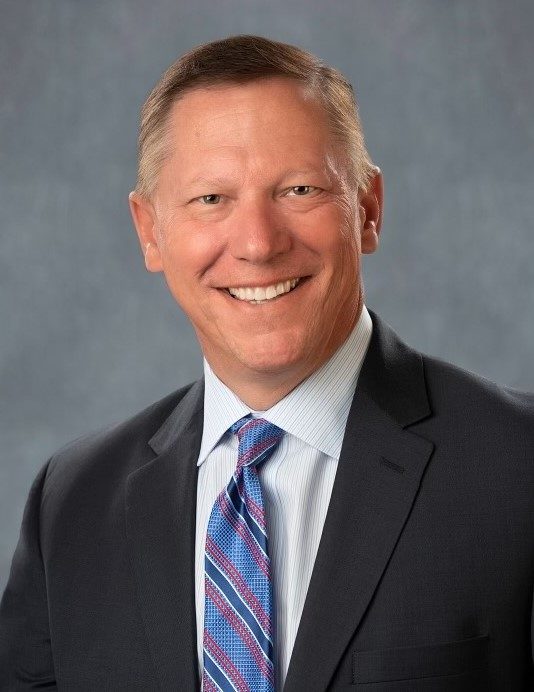
He also explained that the proposed Medicaid changes could significantly affect access to health care, particularly for rural Oklahomans.
Large areas of Oklahoma are maternity deserts, meaning communities across the state lack adequate access to maternity services. Rasmussen said that, prior to the passage of H.R. 1, Oklahoma had an opportunity to expand obstetrical services to some of these communities.
Those opportunities, he explained, are now gone.
In addition to maternity care, behavioral health, including mental health care and substance use treatment, is another critical area that could be affected by the proposed Medicaid changes.
Rasmussen explained that both obstetric and behavioral health services are costly to provide. Without substantial Medicaid reimbursements to offset those losses, some hospitals could face the prospect of having to stop delivering babies, discontinue behavioral health services, or reduce other specialty services.
The need for behavioral health services in Oklahoma is substantial. According to the Healthy Minds Policy Initiative, one in five Oklahoma adults has a mental illness, and 20% of adult Oklahomans recently reported illicit drug use.
Rural Oklahoma could lose access
As Medicaid resources are reduced particularly in rural communities, hospitals may become less able to provide specialized care or treat complex medical conditions. Patients could face fewer options, including traveling farther to a clinic or hospital that can provide the care they need, or relying on virtual appointments––if telehealth is an option for them.
For some rural areas, telehealth could potentially help reduce the strain on medical staff and hospitals. But virtual care has its own limitations. Access depends on reliable internet service and digital literacy, and depending on the illness or condition, an in-person, hands-on examination may still be necessary to provide an accurate evaluation.
In rural Oklahoma, reliable internet access can be a significant barrier. Many rural areas lack the broadband infrastructure necessary to support reliable telehealth services, making virtual care inaccessible to some of the communities that could benefit from it most.
A serious potential consequence may be the effect on hospital viability. Oklahoma is home to 38 critical access hospitals, as well as Indian Health Service and Veterans Health Administration facilities. Historically, these institutions have relied upon new physicians and other health care professionals looking to repay their student debt.
As of July 1, 2026, federal student loans for medical school are subject to a $200,000 lifetime borrowing limit. In today’s higher-education market, that sum is not enough to cover the costs of medical education for many aspiring physicians.
‘How does any community respond?’
These Medicaid reductions could make rural practice less financially viable. Rasmussen shared concerns that new health care professionals may increasingly bypass Oklahoma in favor of opportunities in larger cities such as Chicago, Dallas, or Denver, straining the state’s rural health care infrastructure.
“We also have seen that as we move to manage Medicaid, and we change the way in which we reimburse hospitals and our providers, that has had a significant impact on the financial viability of hospitals,” said Rasmussen. “We have fewer hospitals today that are losing money on operations…and we have fewer hospitals that have total margin losses, which means at the end of the day, all of the payments, all the expenses, we have fewer hospitals losing money. But that is going to quickly reverse itself with a reduction in these Medicaid reimbursements. So, that will create tremendous stress on communities. How does a rural community respond? How does any community respond?”
Rasmussen later explained the broader issue: “It’s really a conflict between Wall Street and Main Street.”

Erin Schalk serves as a professional writer, visual artist, voice narrator, and accessibility-centered educator. She is the recent recipient of multiple Writer’s Digest awards and the Armed Services Arts Partnership’s National Scholarship. She has also received a Best of the Net nomination. Schalk’s work has appeared in Wordgathering, Stirring Lit, Parentheses International Literary Journal, The Petigru Review, and numerous other publications. She also received her MFA from the School of the Art Institute of Chicago.