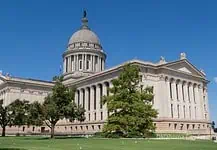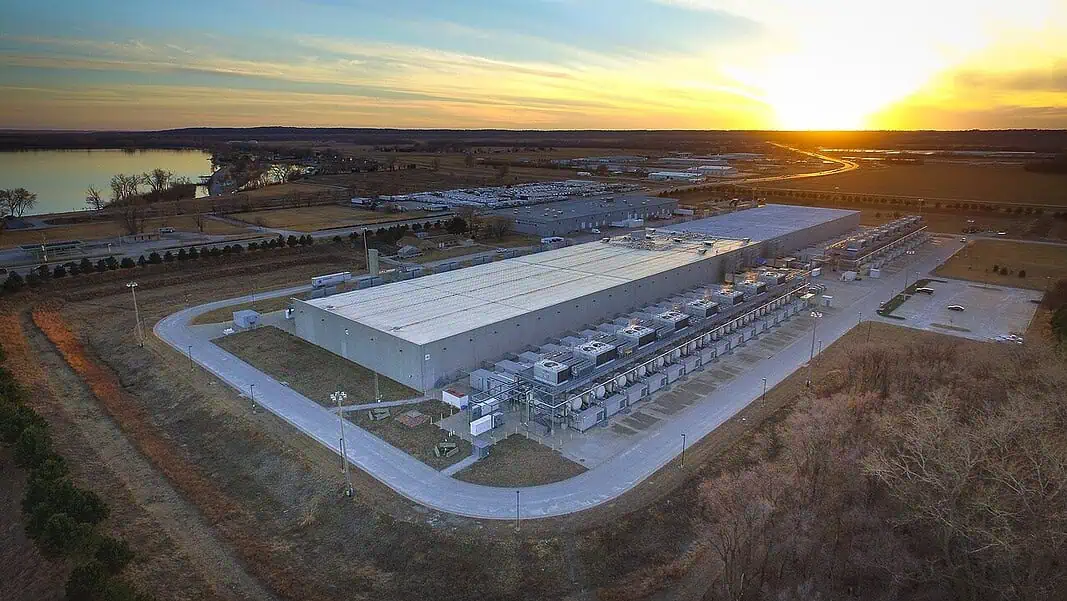

OKLAHOMA CITY – In a unanimous vote Tuesday, the City Council of OKC agreed to impose a temporary hold on any new data center projects through the end of the year, giving researchers time to determine what strain the large-scale facilities might put on utilities and city resources.
The vote comes after similar recent moves in cities across the country and in response to a memo drafted by City Manager Craig Freeman explicitly requesting the hold.
“With the increase of land use for large-scale data centers, the potential negative impacts need to be fully explored,” Freeman’s memo reads, “including water usage, electrical usage, noise issues, infrastructure issues, and various other potential impacts on the citizens of Oklahoma City.”

Passed as an emergency resolution, the moratorium on approvals for any new data centers will go into immediate effect, but will not impact two upcoming data center projects that have already entered the rezoning process on the city’s far western reaches.
“Some of these are getting to the ‘hyperscale’ size and there’s a lot of demand that places on our resources,” Freeman said from the dais at Tuesday’s City Council meeting. “We have a chance to step back with staff, evaluate this, discuss this with developers how these are moving forward to make sure that we could be strategic and consistent with how we’re treating these.”
As passed, the moratorium is set to last until December 31st, 2026 or until new regulations for data centers are determined and codified by a new amendment or by the City’s upcoming new Municipal Code.
Deeper evaluation of data centers
OKC Planning Director Geoff Butler was on hand at Tuesday’s meeting to discuss steps that the City has already taken to better define and regulate data centers and their operations.

“We have done a substantial amount of research already,” Butler told the council, referring to the legal, planning, and zoning cases that have carved out exemptions for the few existing data centers in OKC as Planned Unit Developments, or PUDs.
“There’s still some work to be done to consolidate that into something that would be workable,” Butler continued, “not necessarily for a PUD, but something that that would apply generally to all data center applications.”
Part of the push for the newly passed moratorium was the opportunity for City planners to develop a firmer set of regulations for data centers in the upcoming new Municipal Code, which is still being refined and debated in public events like the one that Free Press covered in March:
Resource consumption
Concerns have mounted nationwide about the tolls taken by these large-scale data centers on municipal resources and community comforts as investment pours into the facilities to power the rapid AI boom.
According to the Pew Research Center, data centers consumed roughly 4% of all electricity used in the United States in 2024 alone, with that usage projected to more than double by 2030. And with fresh water often pumped in for cooling servers and equipment inside the centers, estimates show some massive-scale centers can use up to 5 million gallons of water in a single day.
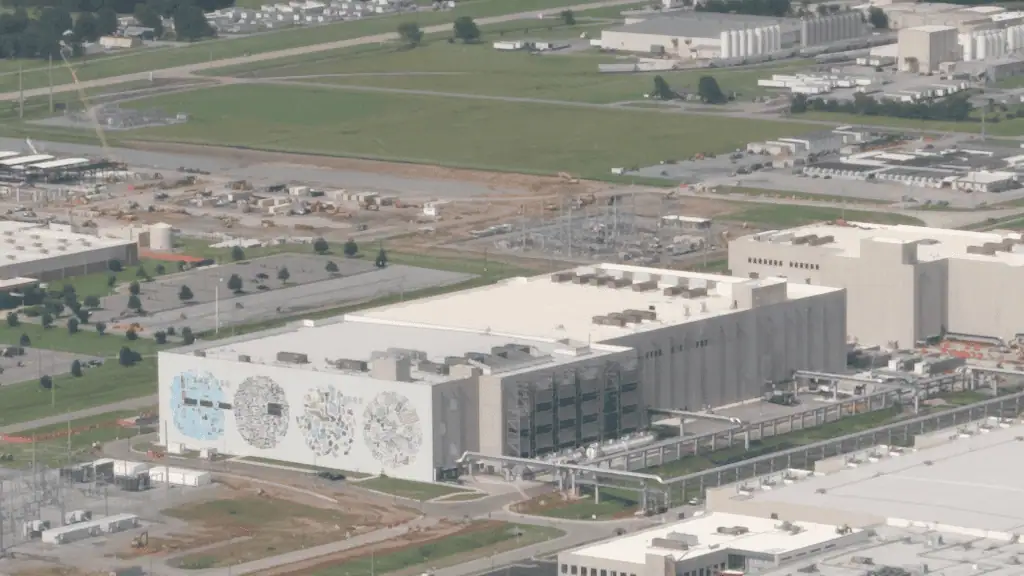
Those numbers have mobilized environmental concerns and activists throughout the country, such as Taylor Sanchez, who spoke before the council Tuesday on behalf of Indigenous-led environmental nonprofit Honor the Earth.
“As the public is becoming more informed about the public health disaster that hyperscale data centers are creating, data center proposals are popping up rapidly across Oklahoma,” Sanchez said. “The growth is outpacing the ability of regulators, researchers, and communities to fully respond and understand its impacts.”
Citing multiple proposed data centers in cities and tribal lands throughout the state, Sanchez implored the council to approve the moratorium.
“A municipal-level moratorium is one of the few tools of protection that our communities have,” she said.
‘Unintended consequences’
As passed, the moratorium on data center projects makes no clear distinction between the large-scale, power-hungry facilities of corporate giants like Google and smaller-scale, proprietary data centers like the one housed on the Expand campus (formerly Chesapeake Energy) in OKC.
Trevor Francis, who is overseeing a planned expansion project for Expand’s central plant, spoke to the council Tuesday to explain that their moratorium would prevent him from moving forward because the plans include expanding the footprint of Expand’s data center.
“This is one of the big redevelopment efforts that are happening in Oklahoma City,” Francis said, claiming that their data center is intended to use no power from the public electric grid and use only “closed loop” water cooling that would not consume and discard public water.
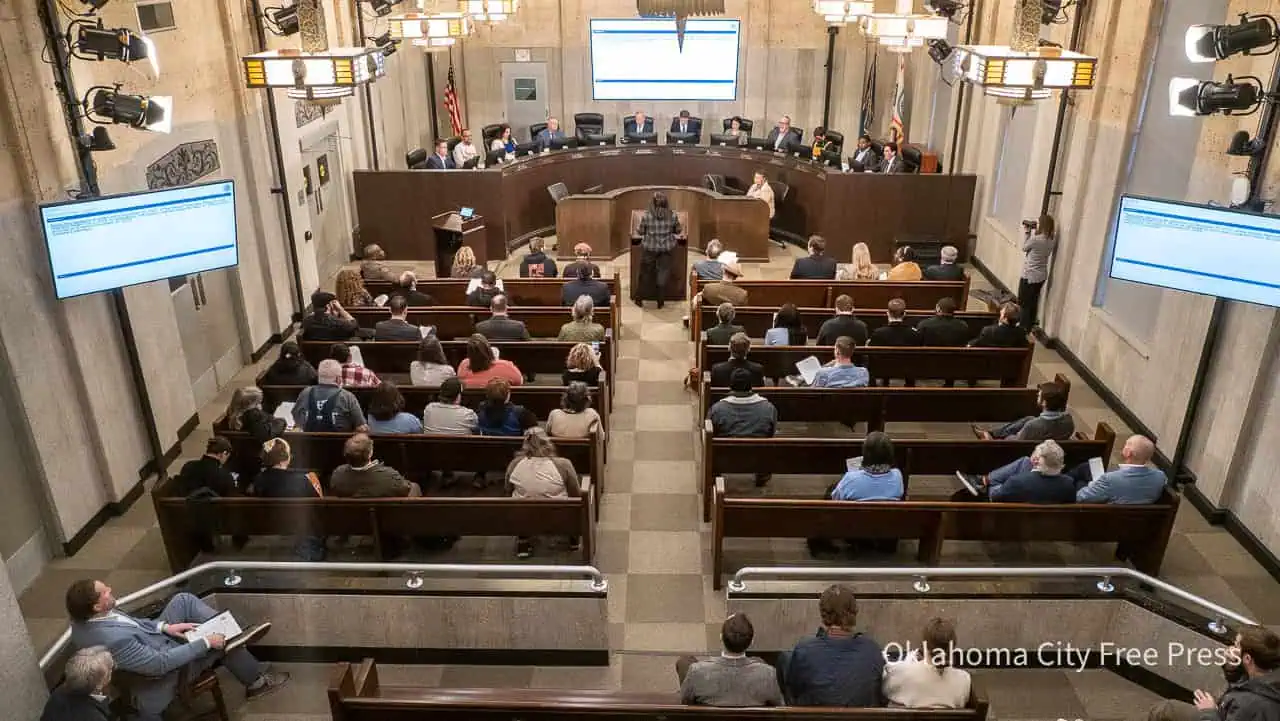
Though Francis said that the plans have already been heard by the Zoning Commission, he said that permits would need to be approved in coming weeks and would potentially be denied because of the emergency pause.
“This affects existing data centers,” he told the council, “and I think that there are unintended consequences for what this moratorium will mean.”
Following Francis’ statements and some discussion on the dais, City staff signaled that they would move quickly to carve out exemptions and allowances for smaller-scale, existing data center projects like Expand’s, but rejected calls to postpone the moratorium for two weeks.
“If you do that,” Mayor David Holt said, “you’re going to have a thousand data centers apply in the next two weeks.”

Brett Fieldcamp is the owner and Editor in Chief of Oklahoma City Free Press. He has been covering arts, entertainment, news, housing, and culture in Oklahoma for nearly two decades and served as Arts & Entertainment Editor before purchasing the company from founder Brett Dickerson in 2026.
He is also a musician and songwriter and holds a certification as Specialist of Spirits from The Society of Wine Educators.