
OKLAHOMA CITY – In a year already loaded with headline-grabbing celebrity squareoffs and blockbuster favorites all vying for victory at this weekend’s 98th annual Academy Awards, you might not expect that one of the most powerful and resonant films in contention may actually be the quietest, or at least the most unassuming.
It’s Joachim Trier’s lightly comedic artistic-psychoanalysis-disguised-as-a-family-drama “Sentimental Value,” an outlier among this year’s Best Picture nominees only because of its small, focused scale and quietly internal turmoil standing tall beside all the grand and epic noise of its competition.

On the surface, it’s an admittedly pretty simple story of a pair of daughters – one stable and settled, the other a successful, but troubled, stage actress – and their complicated attempt to reconnect with their emotionally distant, self-centered father – an acclaimed film director – following their mother’s death.
But just barely hidden beneath the surface is a sweeping, hundred-year tale of generational trauma, suicide, divorce, neglect, age, youth, and even fascist oppression, all rolled into a complex examination of the creative tendency to confront pain through art, and of the artists that can’t confront pain any other way.
Set mostly in Norway, but alternating between Norwegian and English, it’s a film that feels both deeply European in its calm pacing and commitment to internalized, quiet emotion, but also universal in its exploration of things like family homes, squabbling parents, and sibling dynamics.
Where it all becomes a bit less universal, of course, is the international fame and acclaim that ends up pulling one of the world’s biggest American movie stars into all the family drama and all the many tangled, unresolved traumas beneath it.
It’s an actor’s film above all, the kind of performance-platforming story that demands its cast dig deep to find all the right emotional notes, and then to stay down there with them rather than blowing up or externalizing all of their big moments in the increasingly ubiquitous “Netflix” way. (Netflix, in fact, plays a bit of a role here as well.)
Which is all to say that “Sentimental Value” more than earns its four acting nods.
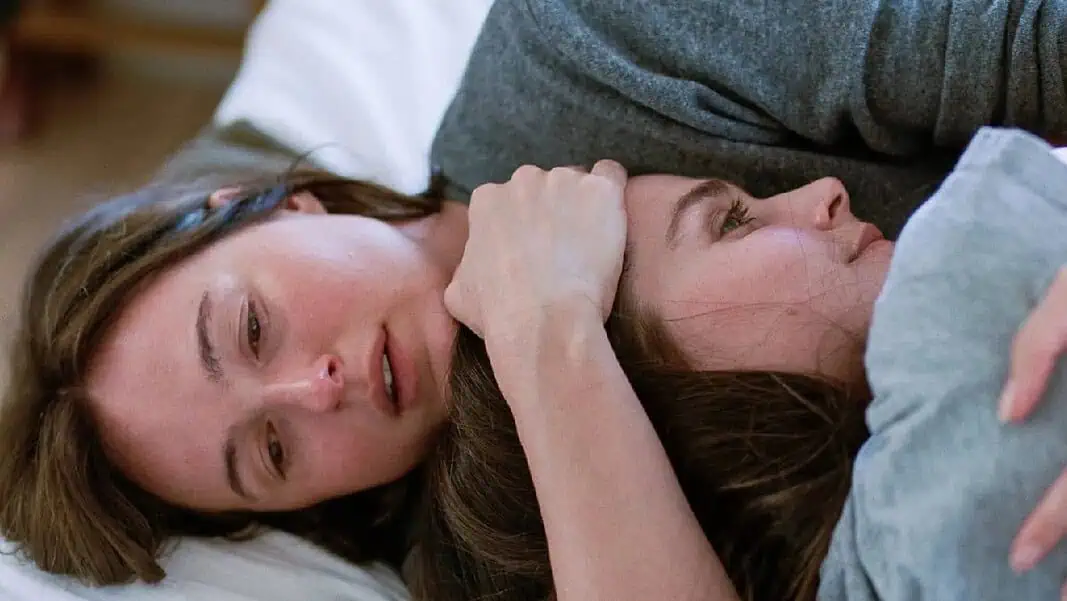
Renate Reinsve particularly shines as the lost, emotional, theatre-star older sister, Nora, who’s harnessed what seems to be an inability to confront her feelings through anything but art and performance into a successful acting career.
Despite the film being very much an ensemble piece, she earned a nod as a leading actress, meaning she’s squaring off against untouchable frontrunner Jessie Buckley for “Hamnet.”
Inga Ibsdotter Lilleaas scored a Best Supporting Actress nod as Agnes, the generally more stable younger sister, and seemingly the only person left in the family capable of parsing and expressing their feelings in a healthy way. It’s the kind of deeply realized, non-explosive performance that too often gets overlooked in favor of flashier roles, so even just seeing her nominated is refreshing and deserved.
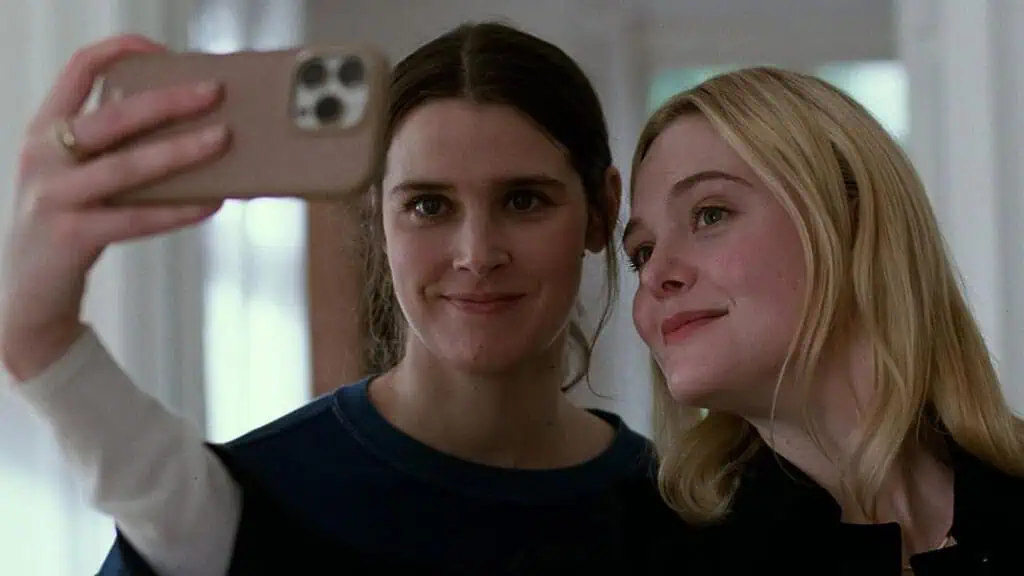
That Best Supporting Actress nod sees her competing with her so-star Elle Fanning, however.
But while Fanning’s turn as the American movie star attempting to navigate the family’s dysfunction is poised and thoughtful and compelling as she tries on accents and crying spells and understandings, I think the gentle restraint showcased by Lilleaas has her beat. (They’re both still likely to fall to Teyana Taylor or Amy Madigan, though.)
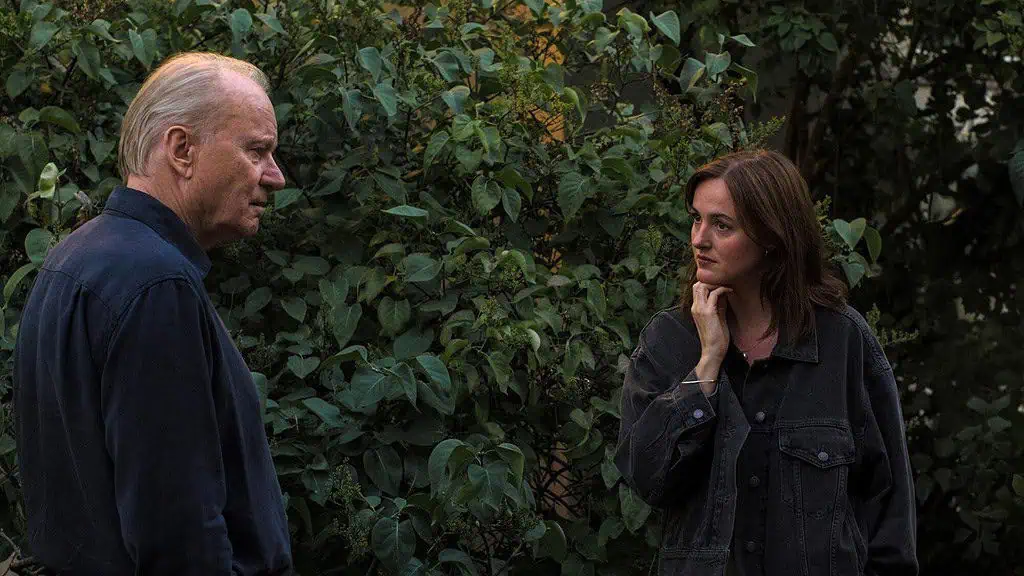
And then of course there’s the legend, Stellan Skarsgård.
As Gustav Borg, the lauded, auteurish film director as revered for his work as he is resented by his daughters, the 74-year-old Skarsgård once again proves the skills that made him one of the most acclaimed performers in world cinema years before he became a global name.
Gustav is stubborn, self-destructive, and self-important, but never cartoonish, never rakish or villainous. He’s a bad father, yes, but he’s never presented as a bad person, and Skarsgård sells that complexity in a way that still remains reasonably charming and easily believable as a filmmaking artiste.
That may actually be the most intriguing thing about Trier’s whole story, in fact.
There are no villains, no unforgivable improprieties, no grand melodramas. It’s all just people struggling with an inability to confront the very real buried issues between them, everything from the multi-generational trauma of political torture to the natural resentment of suicide.
It’s about the absence of mothers and the weight of divorce and the sometimes unbridgeable father-daughter divide.
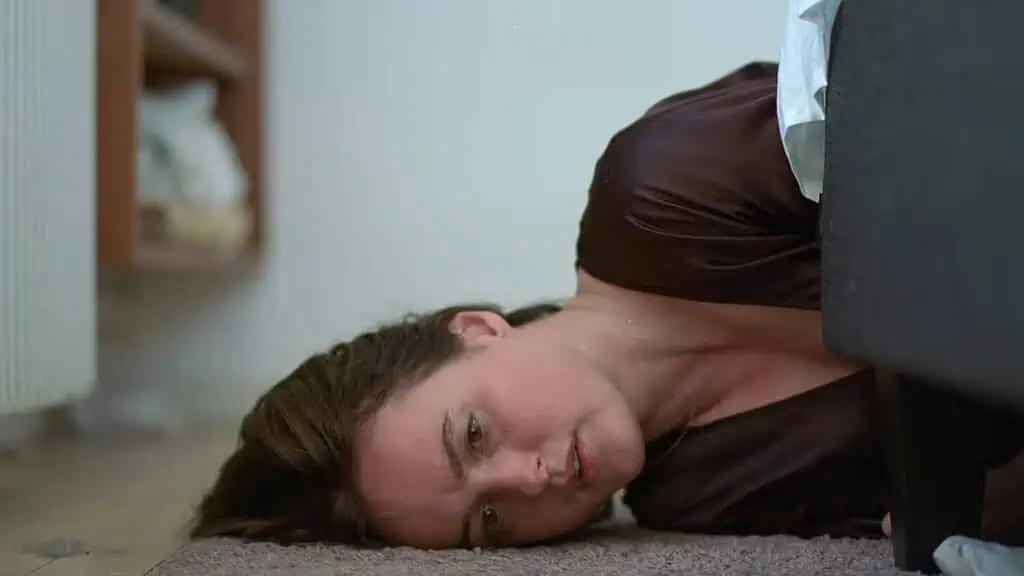
But more than anything, it’s about the way that art and performance are used to confront the most difficult emotional issues, not just in an “art can heal” way, but in a “some people build emotional walls that make it impossible to confront anything unless they’re acting or directing it” kind of way.
That’s what makes “Sentimental Value” so powerful and so resonant, especially with awards voters and with creatives themselves. Even its title is asking what the real worth of sentimental value is, and the answer is effectively nothing unless you’re able to mine it for your art.
It’s the value that we ascribe to a home or a room just as much as to a past decade, a disintegrated marriage, or even the obsolete tools of classic filmmaking.
Each year, it feels like there’s one film among the Best Picture nominees that branches out to incorporate the disparate themes and dynamics of all the rest, almost a lynchpin nominee that encompasses the broad issues of the year.
It’s rare that that film is also the quietest and gentlest in the field, but “Sentimental Value” is that film for 2026.
It deals with the generational repercussions of anti-fascist activism, just like “One Battle After Another” and “The Secret Agent.”
It examines the father-daughter relationship just as well as “One Battle…” and considers the same faltering fatherly ego that drives “Frankenstein.”
It dissects the sibling dynamics and cross-generational power of art every bit as well as “Sinners.”
It even hides a disturbing and deeply repressed resentment for a mother from her son, just like the one buried at the heart of “Bugonia.”
And of course it shares more than a passing thematic resemblance with “Hamnet,” both stories exploring the hearts and minds of artists and the mammoth feelings of death, regret, and abandonment that they can only express through their art. Both films even have characters named Agnes, in fact.
It’s actually possible that “Sentimental Value” could be the upset winner of the night, though I’m not sure it’s likely.
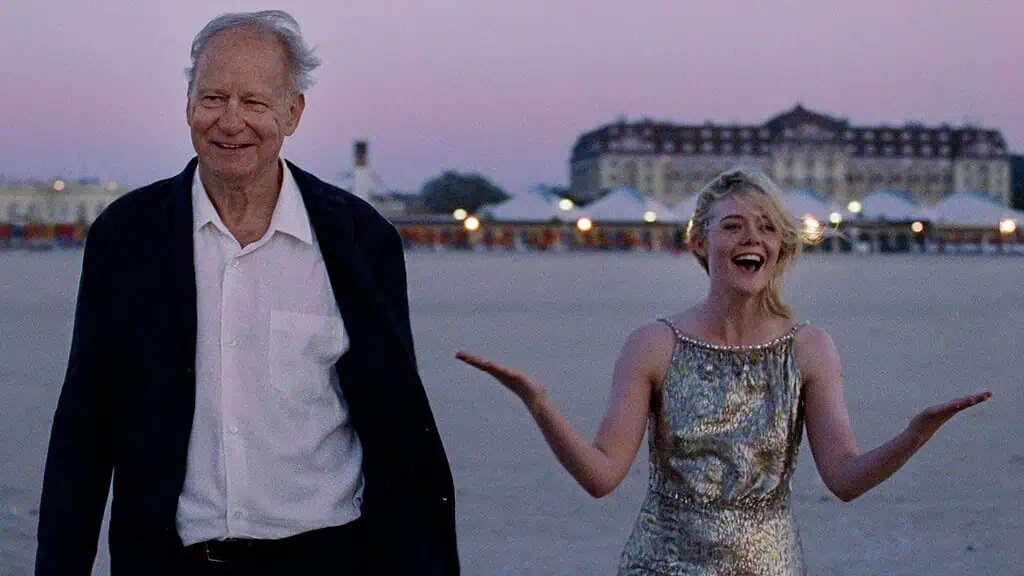
While the Academy has awarded plenty of smaller, quieter, conversation-focused films in the past – mainly owing to the acting on display – it feels like they’re leaning into the bigger, broader, energetic epics this year.
Where it’ll contend most aggressively is surely Best Supporting Actor, Best Supporting Actress, the highly competitive Best Original Screenplay, and the absolutely stacked Best International Feature.
Right now, it feels like Best Picture is likely to stay just out of reach, but of course the Oscars do love a movie about moviemaking.
So maybe?
Catch Brett Fieldcamp’s film column weekly for information and insights into the world of film in the Oklahoma City metro and Oklahoma. | Brought to you by the Oklahoma City Museum of Art.

Brett Fieldcamp is the owner and Editor in Chief of Oklahoma City Free Press. He has been covering arts, entertainment, news, housing, and culture in Oklahoma for nearly two decades and served as Arts & Entertainment Editor before purchasing the company from founder Brett Dickerson in 2026.
He is also a musician and songwriter and holds a certification as Specialist of Spirits from The Society of Wine Educators.