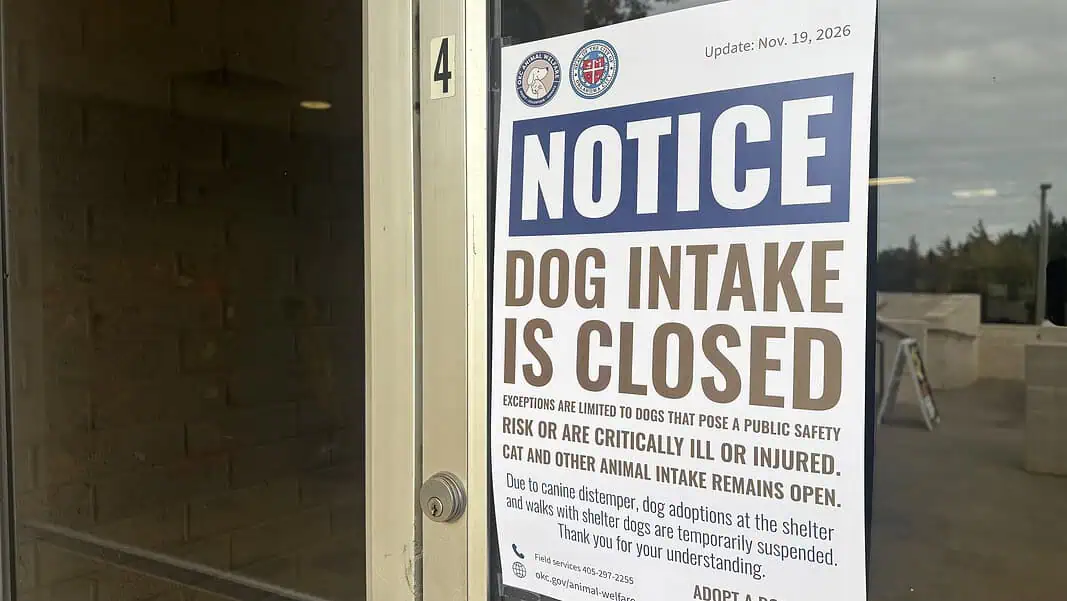

OKLAHOMA CITY – An outbreak of a potentially deadly canine virus inside the City of OKC’s Animal Welfare Center has forced the shelter to temporarily shut its doors to new dogs, and has already led to the euthanizing of some of those infected.
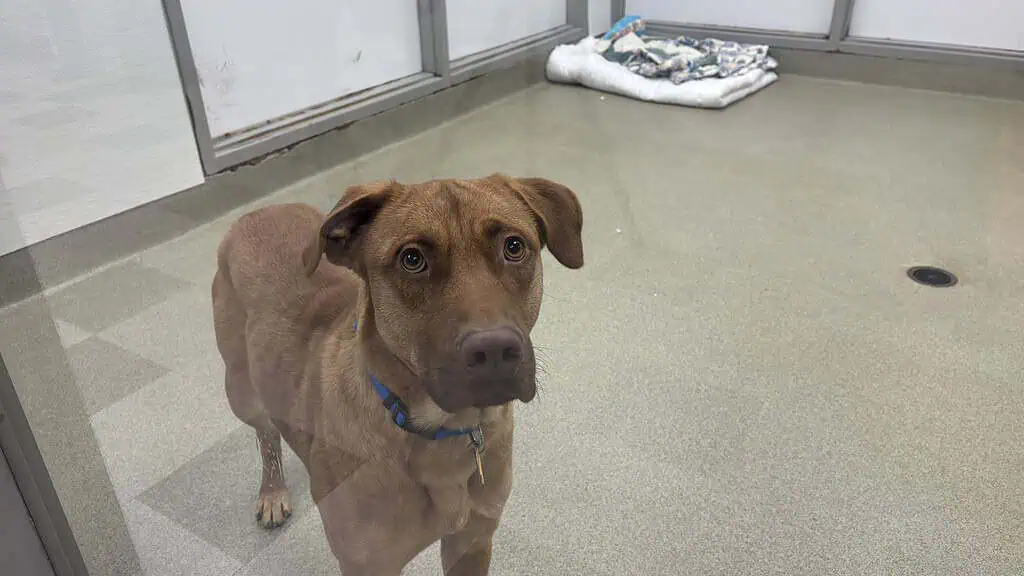
A positive result on Wednesday for a virus known as canine distemper sent the shelter into crisis mode as staff worked to test and treat the entire canine population inside the facility and were forced to euthanize at least three dogs by Friday morning.
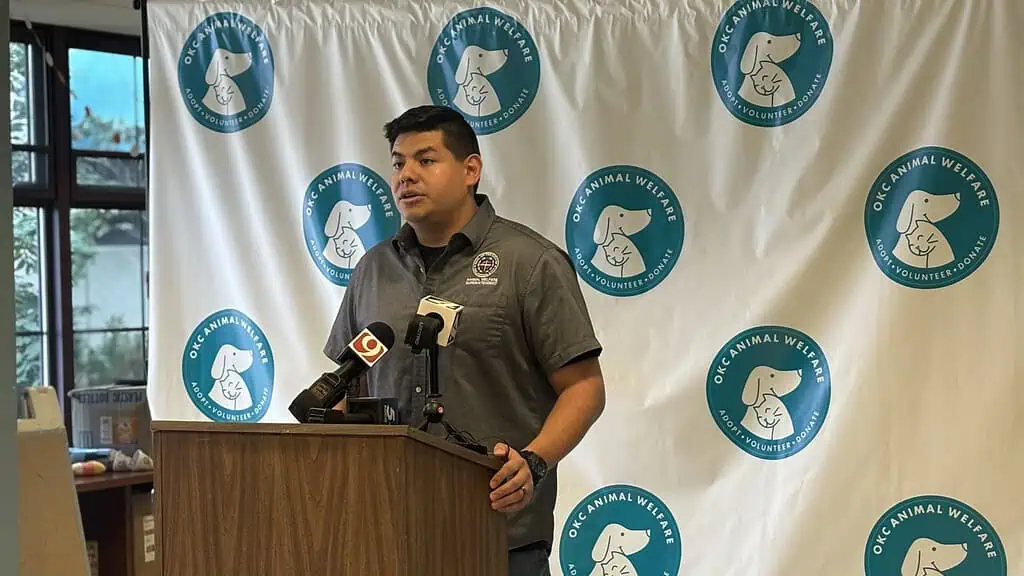
“Canine distemper is highly contagious and could be potentially fatal disease if left untreated,” OKC Animal Welfare superintendent Johnny Sandoval explained in a small press conference Friday morning at the shelter. “It’s typically our unvaccinated population and our puppies under five months old that are most susceptible to canine distemper.”
Distemper is a virus that causes respiratory distress, fever, and fatigue in dogs, transferred through airborne droplets and shared food and water bowls. If left untreated, it can spread to the brain, causing tremors, seizures, and death.
In cases where the infection has spread without proper treatment, euthanasia is often necessary to prevent undue suffering and to help mitigate any spreading of the virus, which can be especially difficult to contain in a shelter as often crowded as OKC’s.
“Distemper is particularly challenging in a shelter environment because infected dogs can spread the virus before showing symptoms,” Sandoval said, “and early signs can resemble other common respiratory illnesses that we see very frequently in our animal shelter, with animals arriving from different backgrounds and a variety of vaccination histories.”
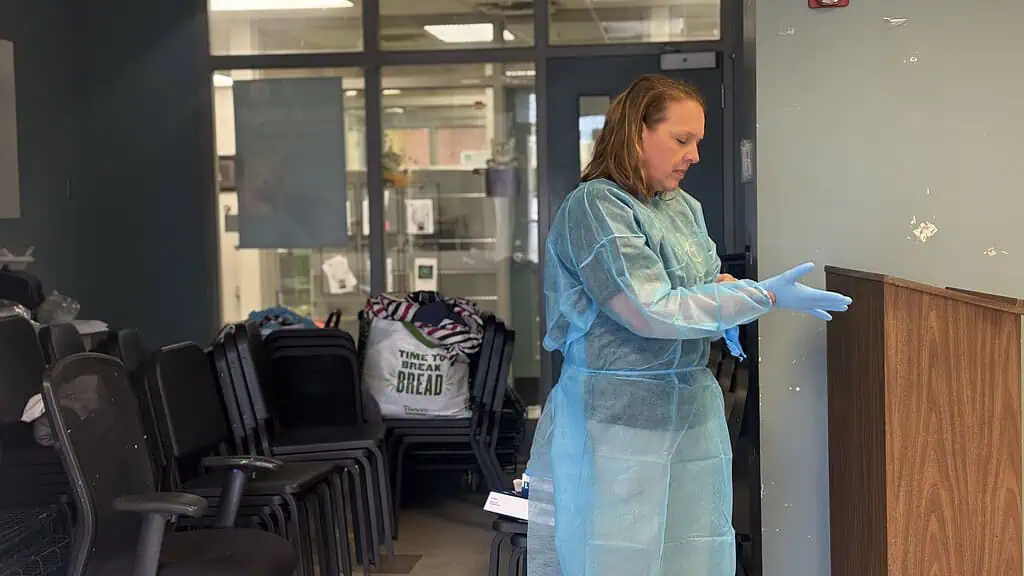
In order to prevent further infections, the shelter staff has quarantined the canine population and has taken on a strict PPE policy, with full-body medical coverings that can be disposed of easily to prevent cross-contamination.
For safety, the shelter has also halted all new intake of dogs.
“We’re at least limiting dog intake for two weeks while we continue to work through our containment protocol,” Sandoval said. “It’s up for determination if that will need to be extended.”
The virus that causes canine distemper does not affect cats, so the shelter is still available for both the intake and adoption of cats.
Sandoval explained that all dogs that come through the shelter are vaccinated for distemper upon intake, but that the vaccination might be ineffective if a dog is already infected, but showing no symptoms, and he alluded to suspicions that this is how the outbreak may have occurred.
“The number of dogs that enter our facility come from not only just unknown vaccine histories, but a lot of these dogs have never been vaccinated before,” he explained. “So they don’t have antibodies in their immune systems to fight off potential infection. So when you provide a vaccine, it’s not an immediate immunity. It’s something that has to build up and can take up to 14 days.”
Animal Welfare staff, alongside City of OKC officials, just cut the ribbon on the department’s $42 million new facility on Tuesday, and had been expecting to begin gradually transferring animals to the new building before an eyed public opening in mid-December.
This outbreak could impact and slow that timeline.
“That is really to be determined,” Sandoval said. “We’re hopeful that as we start to clear animals and say with certainty that they are low risk, low exposure, not positive, that they’ll be the first ones to get to start moving once that time frame is determined.”

Brett Fieldcamp is the owner and Editor in Chief of Oklahoma City Free Press. He has been covering arts, entertainment, news, housing, and culture in Oklahoma for nearly two decades and served as Arts & Entertainment Editor before purchasing the company from founder Brett Dickerson in 2026.
He is also a musician and songwriter and holds a certification as Specialist of Spirits from The Society of Wine Educators.