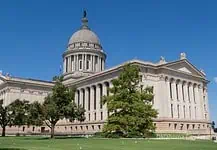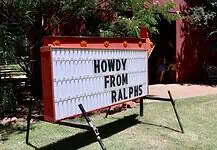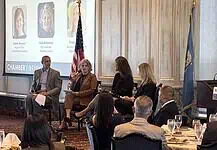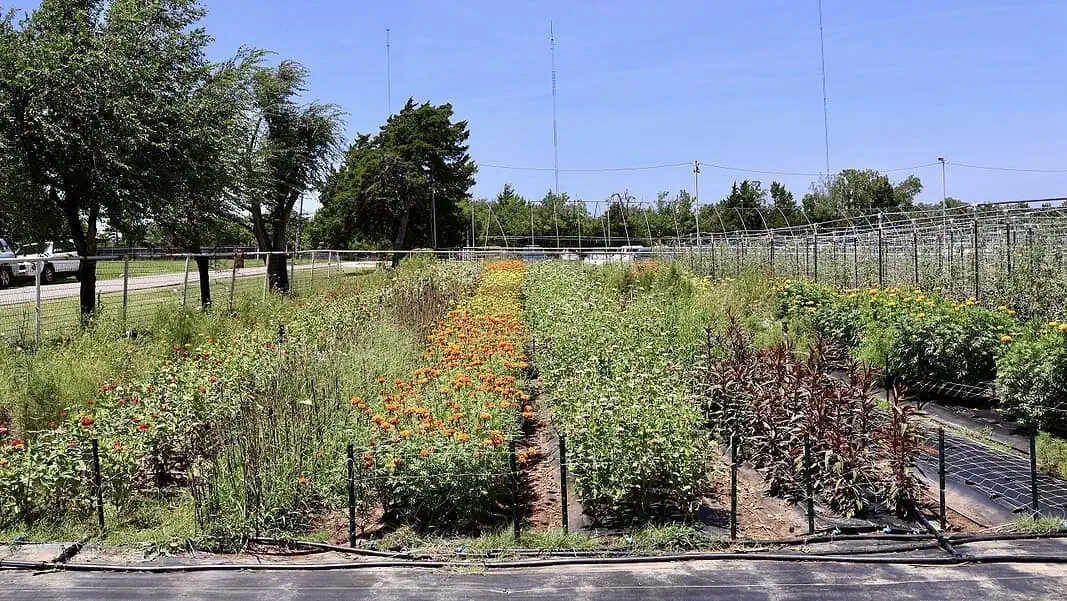

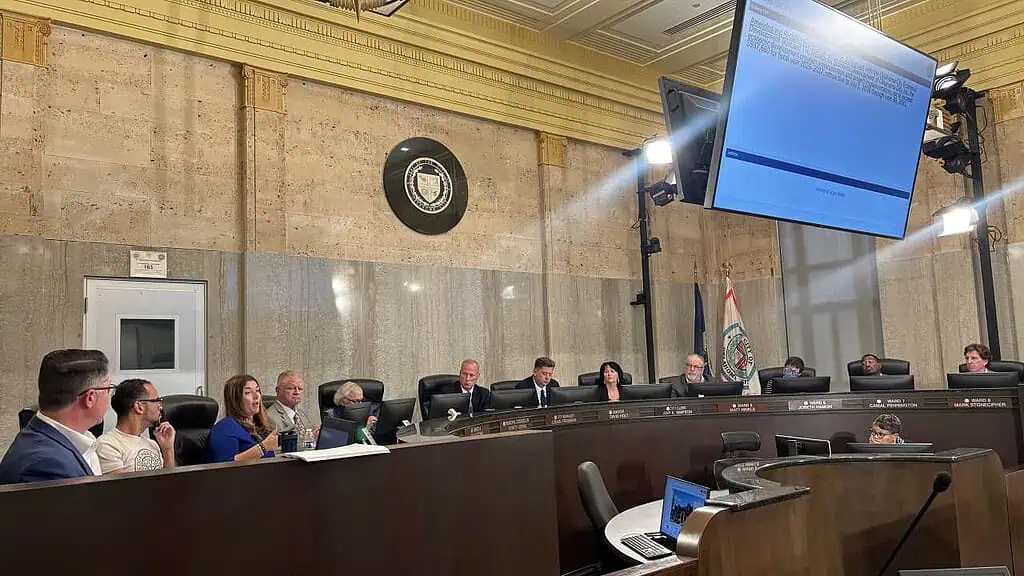
OKLAHOMA CITY – The Oklahoma City Council voted unanimously Tuesday to approve the rezoning of Ralph’s Ranch, marking a significant step forward for the 10-acre urban farm. Ralph’s Ranch, owned by Ben Birdwell, lies in Ward 7 along NE 100th St. and has been the subject of neighbor grievances, but it has also been a space for educational and community-oriented work, as addressed in the Oct. 13 meeting.
The local farm’s request for reclassification from R1 (or single-family residential) to an AA Agricultural District (a designation used by the City for agricultural land and low-intensity residential uses) allows Ralph’s Ranch to continue agricultural operations, including growing row crops and operating a farm stand to sell crops.

“I think it’s exciting to see Ralph’s Ranch getting approved for agricultural zoning because we want to keep some farms close to the city,” Oklahoma Conservation Commission’s Marcus Long, an urban conservationist, told Free Press. “We don’t want to just continually push food production away from our growing cities.”
Ward 3 Councilwoman Katrina Avers said in the City Council meeting that 45% of Oklahoma is currently agriculturally zoned, with Ward 4 Councilman Todd Stone adding: “it’s used as ag, it should probably be zoned as ag.”
“I have a hard time finding the reasons why it’s inappropriate,” Ward 7’s Councilman Camal Pennington said.
Jenna Moore, Director of the OKC Food Hub, said she was excited when she learned the vote passed, hoping that it can be time to “turn the page.” Food Hub leadership called the ranch a “model farm.” Ralph’s has worked with OKC Food Hub to grow over 5,000 pounds of produce for the Regional Food Bank of Oklahoma.
“[Birdwell] does not need one more thing to deal with,” Moore told Free Press. “He has so many things to deal with just trying to be a farm. There are so many things stacked against him anyway.”
The uphill battle of local farming
Kathleen Huffman is a farmer at the Huffman Family Farm in Choctaw, with a mission to farm clean food including tomatoes, onions, cucumbers, sugar snap peas, beans, and kale.
Like many farmers, the persistent heat and ongoing drought have made this a hard year for her produce.
In October, Huffman wouldn’t normally be ripping out fall crops and planting for Spring, but this past week, that’s exactly what Huffman and her partner Lucinda Lojka were doing.
“This year has just been horrible,” Lojka said.
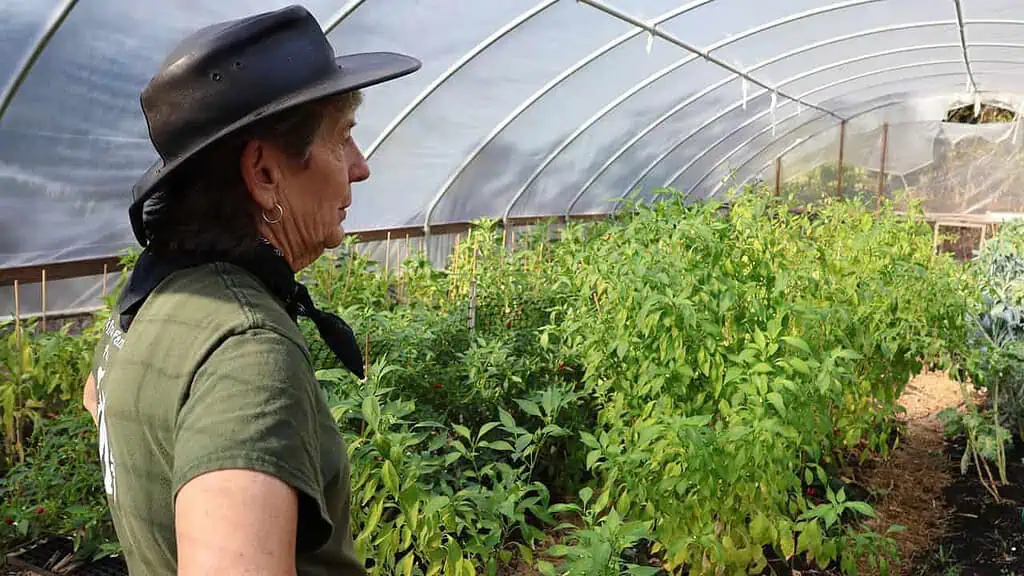
Huffman said they’ve tried to stay afloat through severe heat and drought with specialty crops and direct-to-customer sales, especially made possible through their own agricultural zoning. With factors like shipping costs straining their resources, this makes it harder to compete with “big ag.”
“For other farmers that can’t sell off their land, they basically just quit growing,” Huffman said.
Birdwell echoed similar sentiments, telling Free Press ahead of Tuesday’s meeting, “we know farms are dying. And there’s a reason they’re dying because a head of lettuce sells for $3 at the grocery store, and I cannot compete with that. So I’ve got to come up with creative solutions.”
Huffman Family Farms faces factors like housing additions pushing in wildlife, traffic, market changes, insurability, and even issues with the City of Choctaw.
“It is just so difficult to farm in Oklahoma to begin with,” Huffman said. “Then you add all of these other factors.”
But there are support systems in place for local farmers.
Marcus Long works with farmers through his role in the Oklahoma Conservation Commission to install conservation practices and secure government funding. He has worked with Ralph’s Ranch to secure a soil improvement grant, and Huffman Family Farms also just recently received a similar grant.
But, according to Long, one of the best financial moves is income diversification, saying that local farms “have to diversify their income to be successful,” and to achieve “sustainability for community benefit.”
This is where things get interesting for Ralph’s Ranch.
“The best model is really when farms diversify how their sales are being broken up because when you completely lean on farmers markets, and then farmers markets shut down or there’s construction in front of that farmers market, or a bunch of rainy Saturdays, that really hurts your business,” Long told Free Press. “It’s very challenging. I see farmers go through this frequently.”
Local farmers and diversification
Agritourism has become one way for small farms to keep their operations going and diversify their income in the face of drought, heat, and rising costs. Agritourism refers to the “alternate income sources” that farmers and non-farmers seek,” or “the intersection of agriculture and tourism,” like wineries, farm tours, corn mazes, and more.
Especially during this time of year, Oklahomans may notice many local farms opening their spaces for fall festivities like pumpkin-picking or haunted hay rides.
OSU Extension cites that the primary goal of agritourism is “to provide income” and “educate visitors about agriculture and rural heritage.” Long said these kinds of operations can help people “learn more about local food” and “get people close to the farm.”
City Council speaker Molly Hill brought her Hearts for Hearing students to Birdwell’s farm, saying “he taught them how farming is and how deeply he loves the work” and invited them to “imagine themselves as future farmers.”
Bryce Boyer, Director of Communications for the Oklahoma Department of Agriculture, Food and Forestry, told Free Press that about 430 Agritourism producers are located in Oklahoma, including 35 just in Oklahoma City. The most common example of agritourism in Oklahoma is breweries. Both Huffman Family Farms and Ralph’s Ranch are listed as agritourism sites.
Birdwell said he has had to diversify his business strategies, saying that in order to farm he has to “get creative.”
One of the paths forward for Birdwell was through its “Farm Day” events, as well as other events. But this created complications, resulting in complaints from nearby neighbors, especially centered around parking and noise, both subjects that Birdwell has addressed through cracking down on events and building a parking lot.
Neighbors cited concerns that the agricultural rezoning would allow for more events in the future. However, the successful agricultural rezoning does not open the door for future event hosting, and it technically downgrades the property to a more restrictive category, something Box brought up at City Council.
“They don’t believe that my client will adhere to the zoning,” Box said, adding that “there is no way that AA would allow events,” a sentiment clarified by City of OKC Planning Director Geoff Butler, who said, “events are not allowed in AA – a special permit would be required.”
Box said that the original R1 zoning could actually have created potential challenges for residents, opening the door to more residential properties, which, ironically, is something that Huffman Family Farms is going through in Choctaw, with Huffman saying about the City, “they just keep wanting to put all these housing additions in, but we don’t have the infrastructure.”
“This is perhaps the first downzone that I’ve stood at this property requesting in the many years that I’ve been doing this,” Box said.
Birdwell has said his goal is to keep the farm viable, finding a path forward without planning for local events at this time.
Box said at the City Council meeting, “one of the things that became clear to us was that the previous actions to hold events at this facility was not going to be something that we were going to be able to accomplish.”
“The thing that is most important to [Birdwell] is to be able to operate this facility as it was when he acquired it, and that is a farm,” Box said.
Growing support
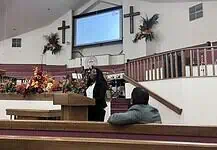
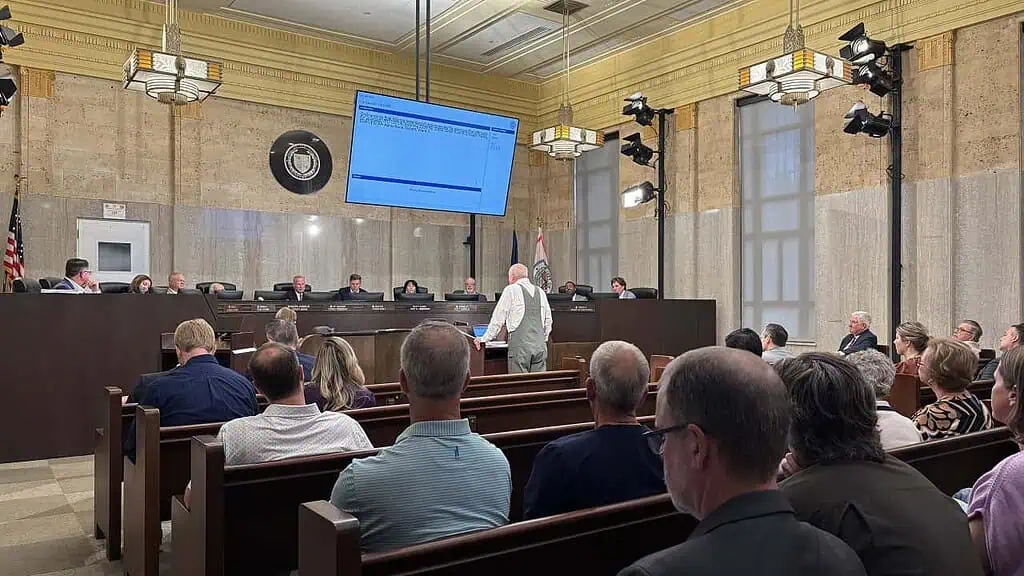
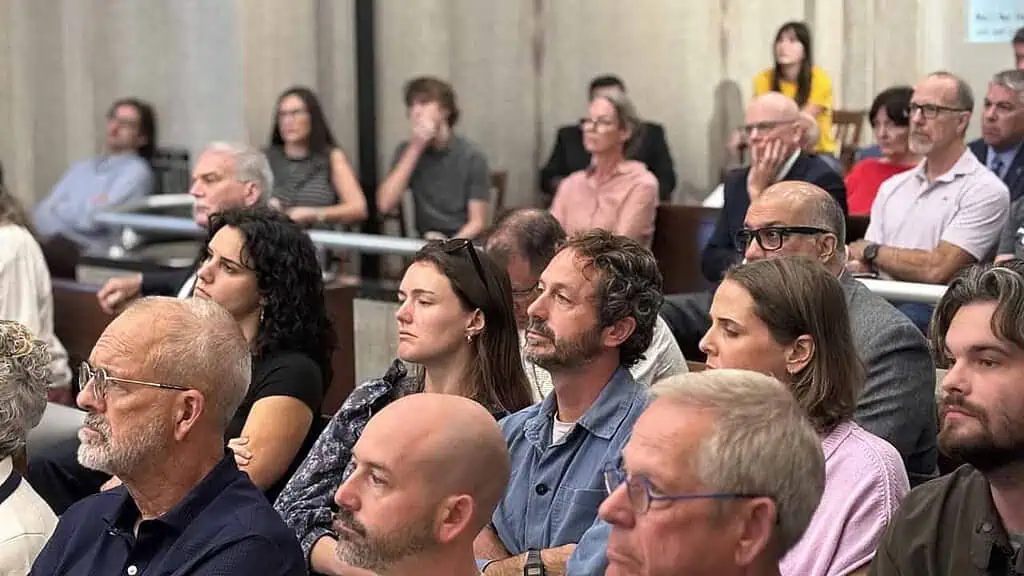
At the City Council meeting, the ranch received both positive accounts from community members praising an educational and community-oriented space and negative concern over neighborhood dynamics, with over 20 people speaking on an agenda item for over an hour. Mayor David Holt called it “an extraordinary number of people who signed up to speak.”
Mark Goro spoke at the City Council meeting, saying, “I don’t really understand the root of the objection to the AA zoning. I would much rather buy my lettuce from Ralph’s Ranch than Taylor Farms.”
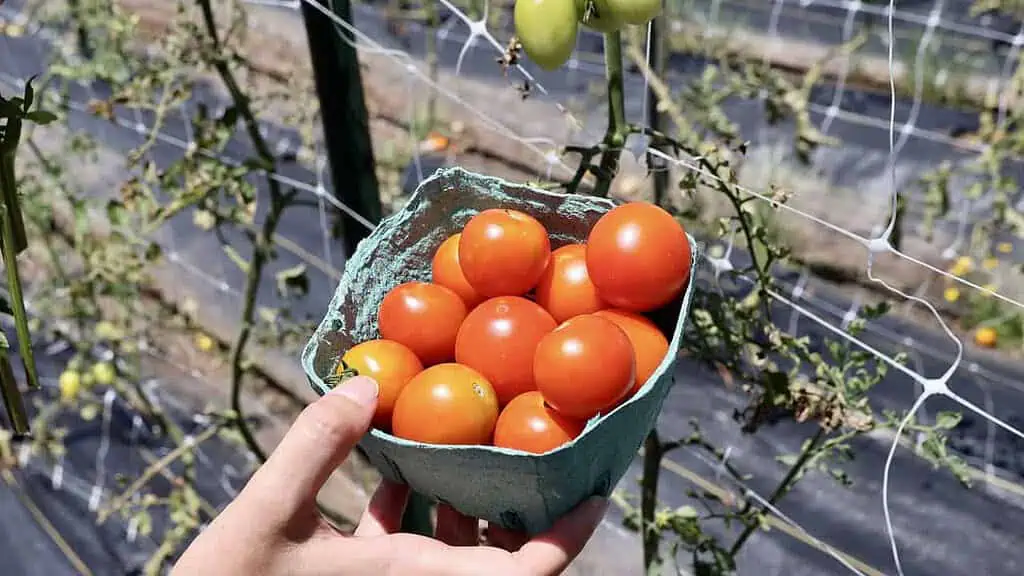
For many farmers, including Huffman and Birdwell, staying afloat may mean the most valuable crop is creativity, whether that means adjusting to rising costs and unpredictable weather, seeking income diversification, or responding to neighbors’ concerns.
With Ralph’s Ranch’s recent City Council win in Oklahoma City, it may speak to a larger point made by Huffman — that removing barriers can help achieve the long-term goals of small, local farming.
“We are feeding the constituents, we’re making their citizens healthier, and that makes them work harder and live here longer and put money into the community,” Huffman said. “Value is not always a dollar amount on the table.”

Zoe Elrod covers events and happenings around Oklahoma City for Free Press bringing her skill as a reporter and photographer. Zoe has spent her career covering local musicians, artists, politicians, and everyday folks.