
OKLAHOMA CITY – How do you say goodbye to something that you never thought you could lose? And how do you explain to future generations the weight and tragedy of losing something that they might never have had at all?
Obviously, there’re no easy answers to questions like those. There might be no answers, in fact.
But with the Earth rapidly changing, heating, collapsing, and yes, dying, they’re questions we’ll all need to be asking in the coming years, and a toweringly gorgeous, poetic new documentary is offering us a blueprint for how to ask, and how to say goodbye to the world we’re losing.
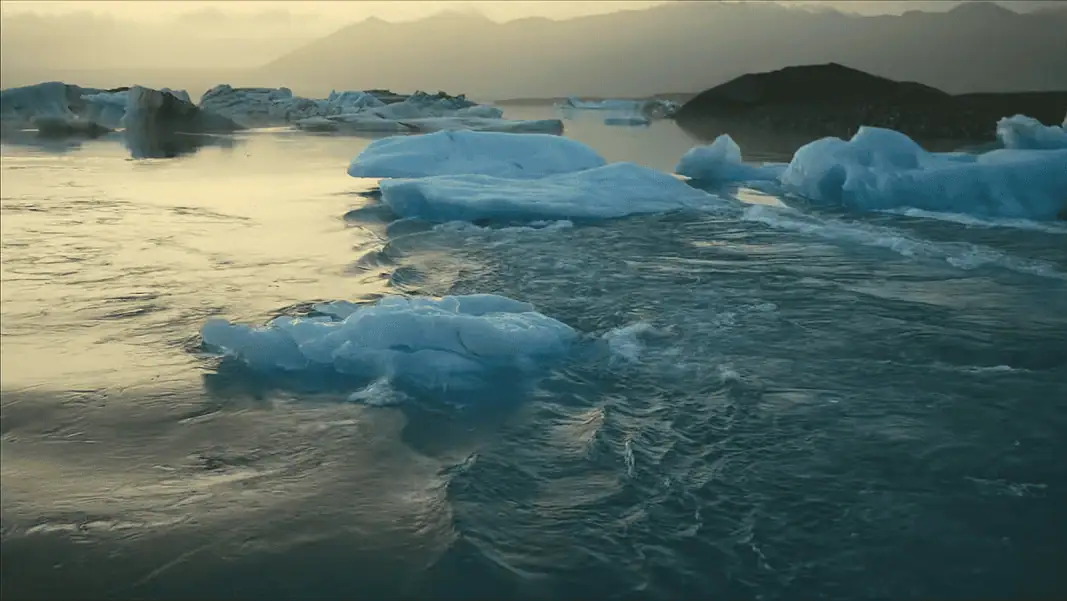
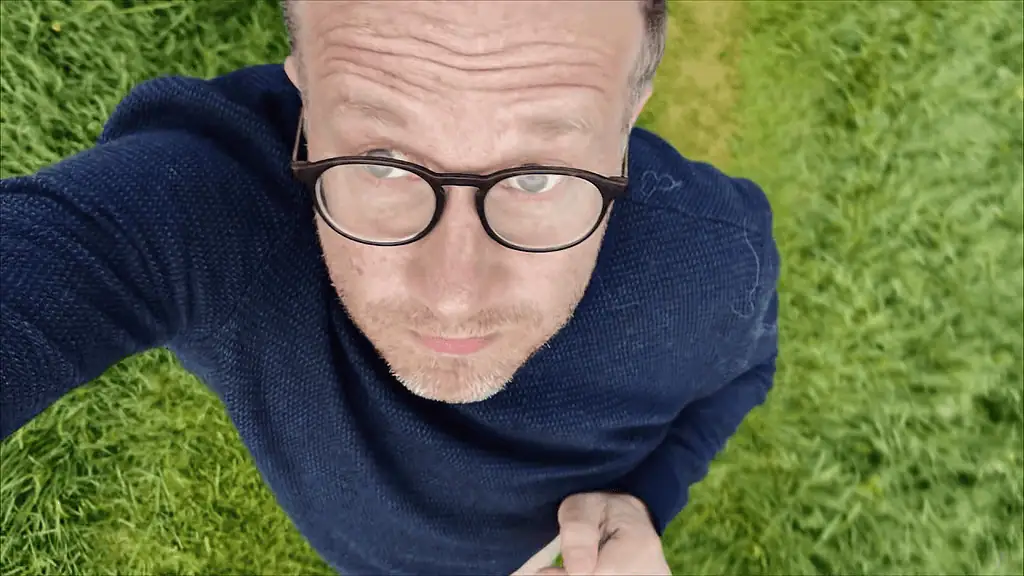
From director Sara Dosa and writer/star/subject Andri Magnason, “Time and Water” is – on the surface, at least – about the loss of Iceland’s glaciers to climate change and the massive cultural and historical weight of that loss for the nation.
But it’s decidedly not a “nature documentary” in the traditional, David Attenbourough way, or a politically-minded alarm bell for climate change like “An Inconvenient Truth.”
No, “Time and Water” is a time capsule. It’s a heartfelt personal letter by Magnason, written directly to future generations and sealed in a film to be excavated again and again to provide evidence of how we lived in the 21st century, and of how we mourned the planet as we continued killing it.
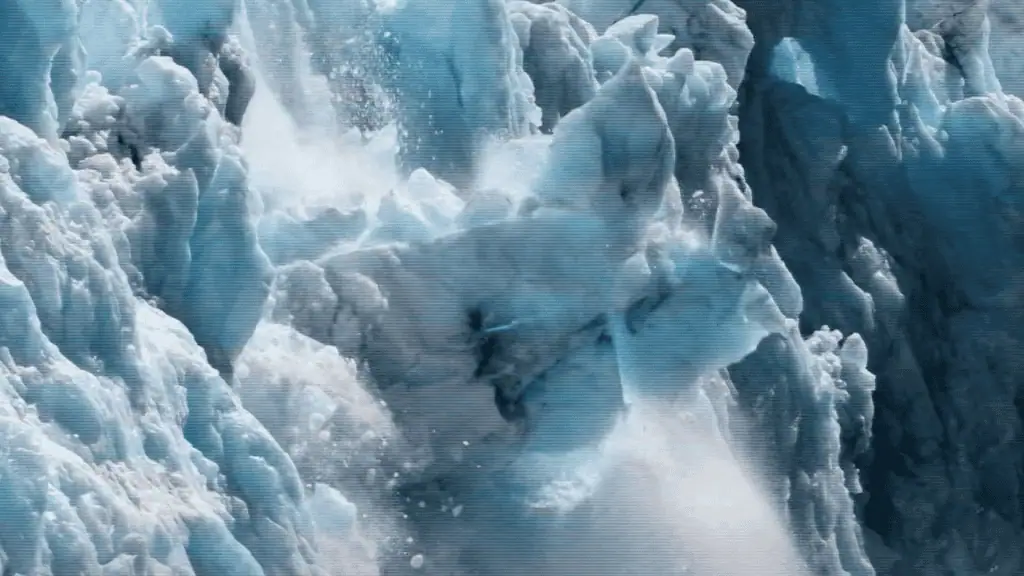
It wouldn’t do to just espouse the beauty and grandiosity of nature, though.
Not only are the stakes far greater than that, but so too are the cultural meanings and life-affirming importances of the glaciers themselves to Iceland and her people.
The glaciers are living things. They move and shake and drift. They speak in near-constant creaks, cracks, and tones. They bloom with the warm seasons into raging melted rivers and hibernate in winter as mountains.
They each even bear a name of their own.
The glaciers aren’t just ice. They’re history and life and personality and memory.
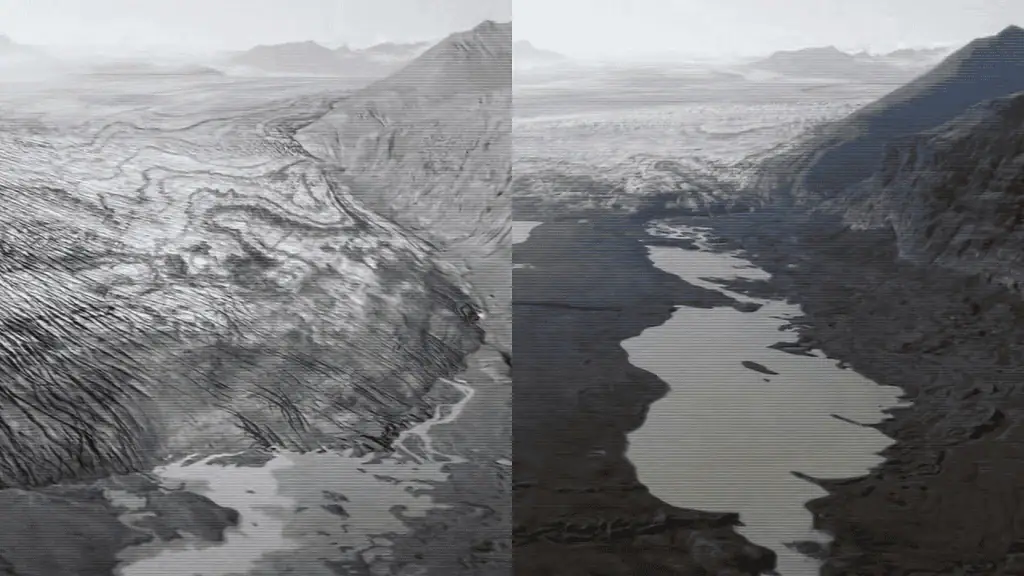
And so that’s how Magnason presents the depth of their loss, not by telling the stories of the glaciers or by digging into the science of climate change and glacial erosion, but by framing the entire film instead around life and personality and memory through his own grandparents.
Magnason’s own family becomes the focus of “Time and Water,” zeroing in on his grandparents’ passings, each taking with them the unique experiences of life around, alongside, and often on the glaciers, but each leaving behind their own stories and legacies for the next generations, preserved in memories like the air of centuries preserved inside the glacial ice.
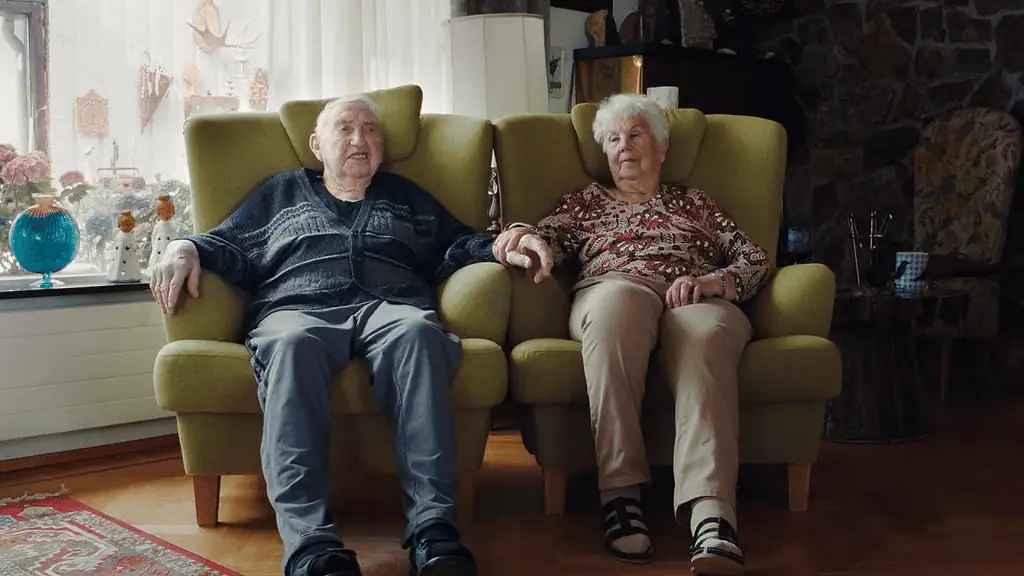
The only way that Magnason and Dosa can fully convey what it means to lose something so integral and fundamental to an entire culture’s understanding of the world is to tie it directly to the death of a family member.
But the connections also run deeper than a loose allegory, as Magnason’s grandparents each lived lives inextricable from the glaciers.
Two of his grandparents, in fact, were pioneering glacial explorers, traversing them and sometimes living on the ice for weeks, helping to better understand their culture’s connection to the mammoth mountains of ice and helping to uncover some of the buried histories and secrets within.
And when one of Magnason’s grandfathers begins succumbing to alzheimer’s, his own memory and history melting away and shrinking, even the allegorical connections become more emotionally charged.
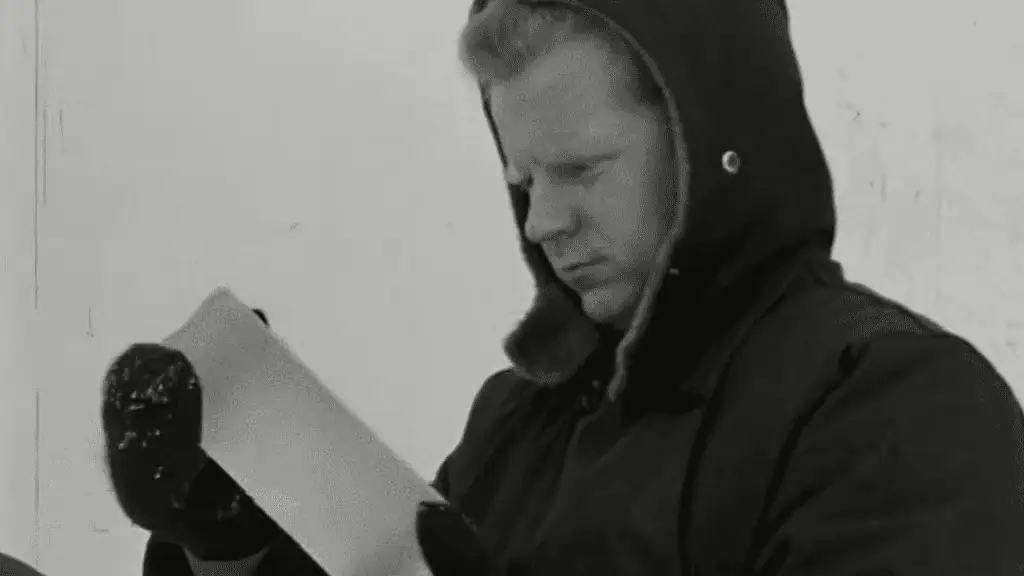
It’s a striking, powerful film, both in the urgency and importance of its underlying subject, but also in the way that Magnason and Dosa have decided to tell it all entirely through personal perspectives, family home videos, historical recordings of music and television, and purely, desperately human emotions above all else.
The natural beauty of Iceland’s varied landscape is obviously on display throughout, intercutting Magnason’s self-shot videos with the kind of breathtaking cinematography that can only be captured in the singular geography of the nation, from sweeping aerials to extreme close-ups of water drops moving through the cracking ice, and it’ll be an experience to behold on the big screen.
That staggering beauty combined with Dan Deacon’s ethereal score are enough to pull on your heart already, but they’re only there to complement the actual story being told, not of the dangers of man-made climate change and fossil fuels, but of the dangers of forgetting the importance and reverence of history and preservation.
It never feels like a nature documentary. It feels like a plea and like a clarion call for us to understand and appreciate and value what we have now before it all melts away.
When the first glacier in Iceland to melt away to nothing finally “died” in 2014, Magnason was invited to provide the inscription for a plaque to hang as a warning of what the world stands to lose.
“Time and Water” is the final extension of that invitation, no longer a eulogy for the loss of one natural landmark, but a verbal and visual time capsule for future generations to understand what we were trying to preserve and why, even as we’re all coming to accept that it’s too late.
Because it’s not only the majesty of nature that we stand to lose to our short-sightedness and consumptive hunger, it’s also life itself.
“How can I tell the future the extent of what we have lost,” Magnason asks, “if the future might not even exist?”
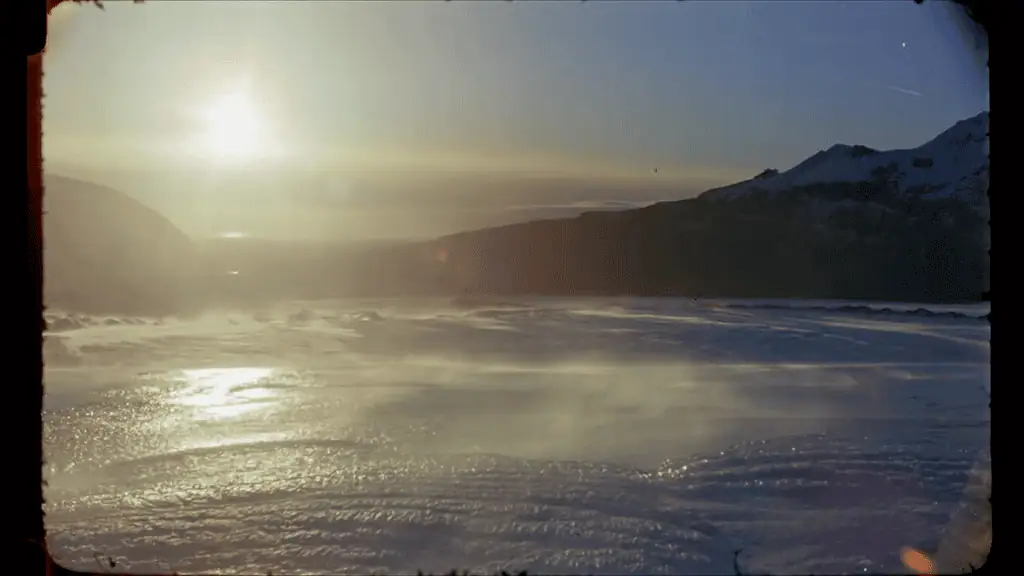
“Time and Water” screens at the Oklahoma City Museum of Art Friday, June 26th through Friday, July 3rd.
For times, tickets, and more, visit okcmoa.com.
Catch Brett Fieldcamp’s film column weekly for information and insights into the world of film in the Oklahoma City metro and Oklahoma. | Brought to you by the Oklahoma City Museum of Art.

Brett Fieldcamp is the owner and Editor in Chief of Oklahoma City Free Press. He has been covering arts, entertainment, news, housing, and culture in Oklahoma for nearly two decades and served as Arts & Entertainment Editor before purchasing the company from founder Brett Dickerson in 2026.
He is also a musician and songwriter and holds a certification as Specialist of Spirits from The Society of Wine Educators.