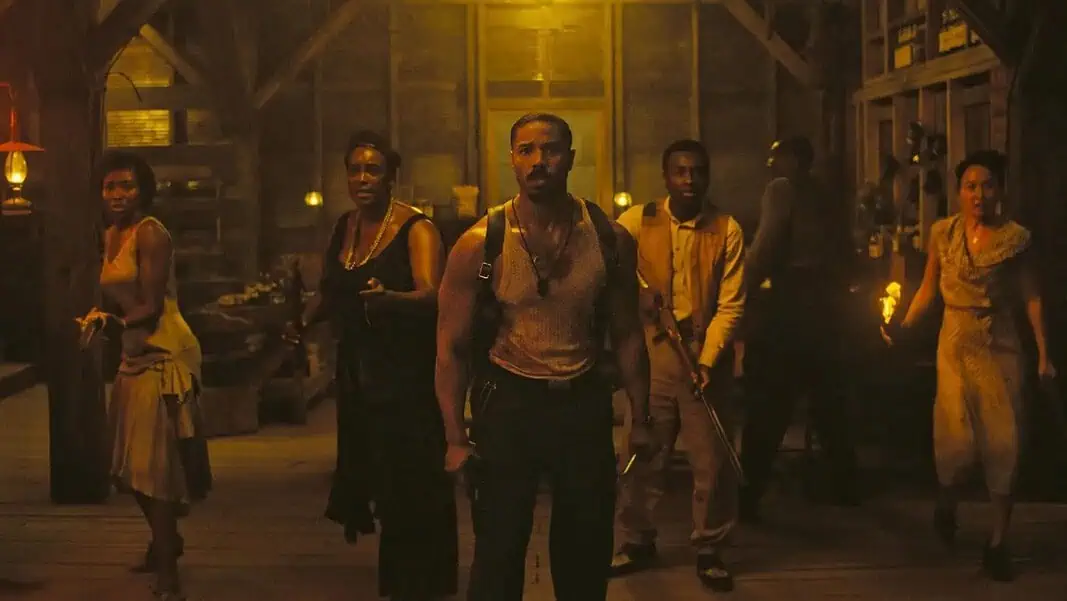
OKLAHOMA CITY – In the sprawling lineup of Academy Award nominations for 2026, one film has come to dominate nearly every discussion and every area of discourse, and yet still doesn’t look like a lock for the night’s biggest prize.
“Sinners,” writer/director Ryan Coogler’s sweltering, bloody, box office-smashing horror-musical, earned an historic 16 nominations (laying waste to the previous record) and has made waves in conversations around screenplay, score, production design, visual effects, acting, and more, with screen legend Delroy Lindo’s long-overdue nod single-handedly changing the course of the Best Supporting Actor race.
When it landed in theaters all the way back in April of last year, “Sinners” crashed the gates to become a cultural landmark of modern blockbuster cinema, bridging the gap between period-piece historical-drama prestige and pulse-pounding, blood-spurting, crowd-pleasing horror fare.
It’s the story of one horrific night in Clarskdale, Mississippi in the early 1930s, in the festering depths of Jim Crow America’s intrinsic racism and the Ku Klux Klan’s barely-veiled shadow rule.
A young, teenage preacher’s son, aspiring to be the next great bluesman (remarkable newcomer Miles Caton,) links up with his mysterious, older twin cousins (Best Actor contender Michael B. Jordan in an outstanding dual role) and together they assemble a group of outcasts to launch their own steamy juke joint in the Mississippi woods.
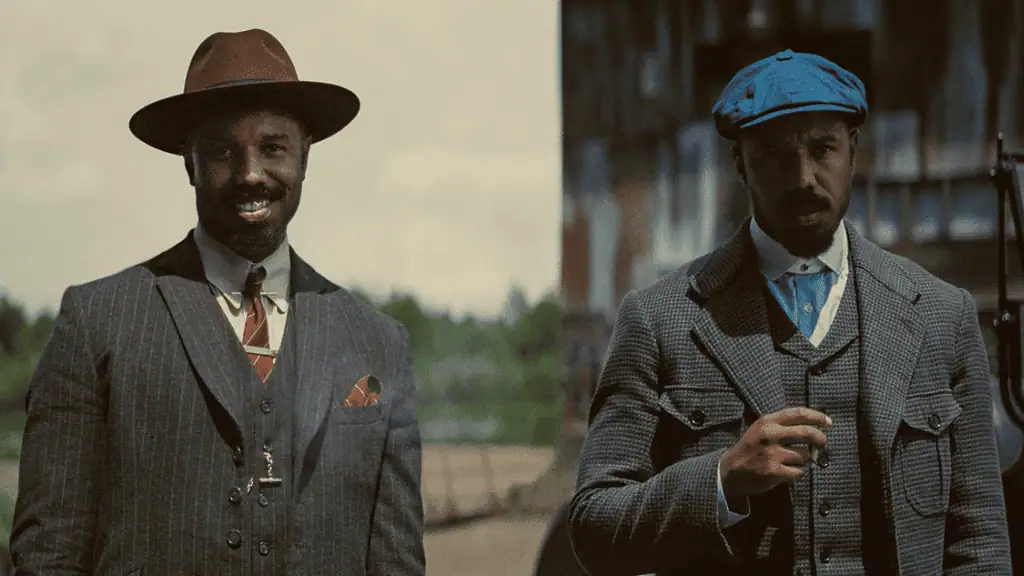
The twins are fleeing a past of abuse, crime, Great War trenches, and Chicago gangland violence, but they can see the magic in the hands and voice of their young cousin and the celestial, time-splintering power of his blues.
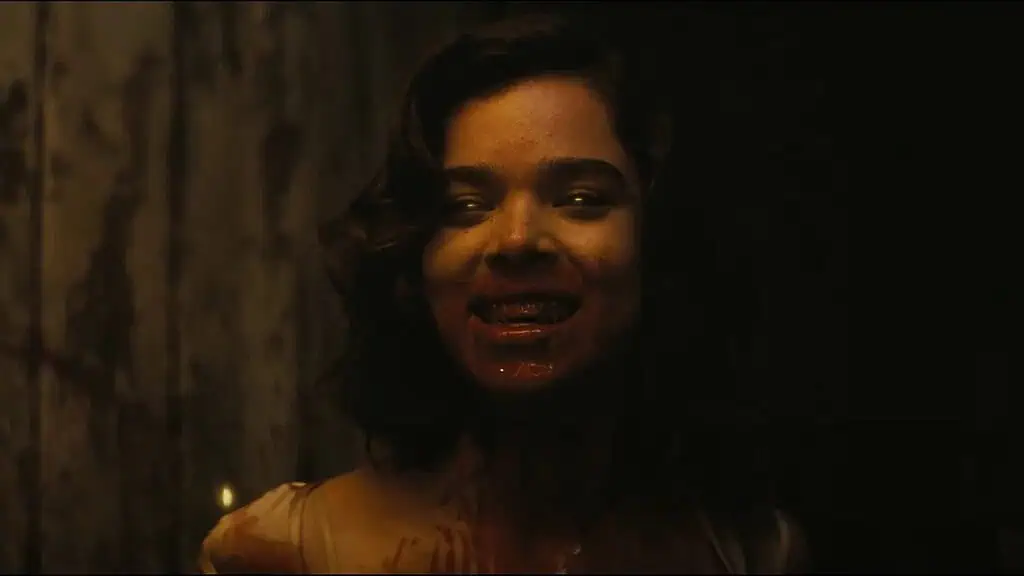
And then it all goes to hell when that music attracts a small, disquieting band of roving white folk that happen to be literal bloodsucking night creatures bent on killing and assimilating the partiers into their parasitic hive mind.
From there, you can imagine that things get increasingly violent, gory, and fiery.
Pre-release buzz, word-of-mouth, and insatiable repeat audiences eventually propelled it all the way to the #7 spot on the highest grossing films nationwide for 2025, the only original, non-franchise film anywhere even near the top ten.
And that means that “Sinners” has the one single thing that seemingly uncontested frontrunner “One Battle After Another” doesn’t have: financial success.
While “One Battle” might see its Best Picture hopes hampered by its massive box office loss, “Sinners” should get a huge boost from studio executives and producers in the Academy that are looking to elevate and award the year’s biggest moneymakers, rather than encouraging more controversial loss-leaders like “One Battle.” Or at least, that’s how it might look on paper.
So if it’s got staggering box office appeal, critical praise, and an already historic number of nominations, why isn’t “Sinners” already being lifted up as a potential lock for Best Picture?
Well, frankly, because the exact same elements that helped the film rise to landmark levels for fans are the elements that are historically expected to turn off Academy voters: it’s bloody, it’s “genre,” it’s radical, and it’s Black.
Like few other Hollywood blockbusters before it, “Sinners” is rooted in the entirety of Black American history and culture, and it remains gloriously unforgiving and unequivocal throughout about the realities of that history. And that’s not just within the film’s setting during the Jim Crow era, but within the full spectrum of community, society, shared experience, and deep spirituality, from hundreds of years before the film’s events to a hundred years after.
And that’s achieved primarily through the unique and staggering power of music.
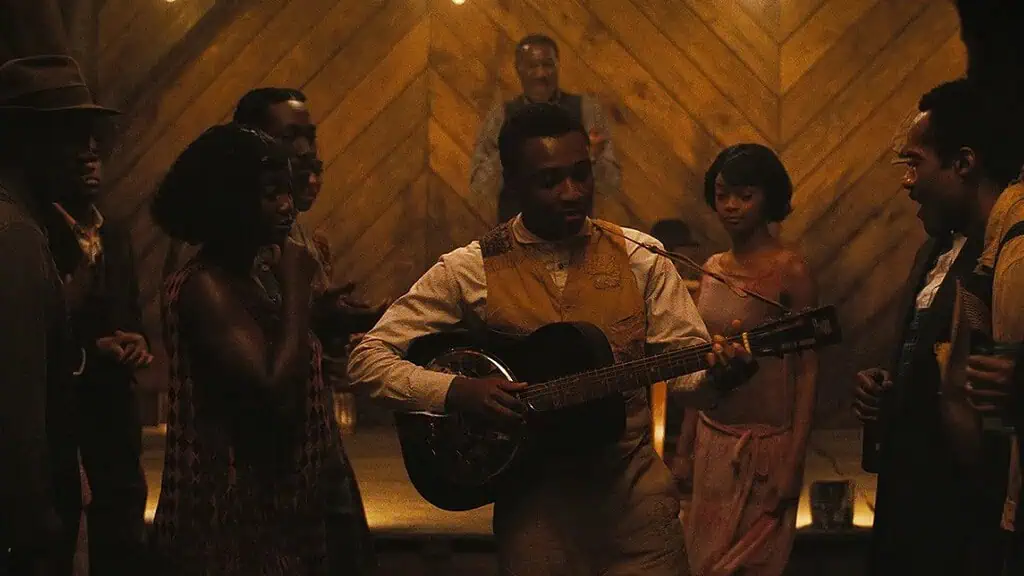
Music is everything in “Sinners.” It’s the conduit through which all of the power moves, from the communal Irish dance of the vampires themselves to the temporal-shifting power of the blues as it literally connects musical visionaries and spiritually communing musicmakers across generations and eras.
It’s a film about struggle and institutional conflict. It’s about the lines between legitimacy and crime being drawn only on the basis of skin color. It’s about the acceptable, respectable Christian religion being set at odds with the ancestral spirituality of Africa and the Carribbean. It’s about white, European culture very literally attempting to suck the life out of Black Americans and assimilate them into their own, backward-facing objectives.
It’s not the Academy’s kind of feel-good story about interracial friendship or white saviors. It’s not “Green Book.”
It’s not about what Americans can achieve when they put their differences aside. It’s about how those differences have been exploited by one side for hundreds of years, maybe forever, and how it’s always been – and always will be – the music that carries the truth into the future.
And let’s be honest, there are a lot of voters and Academy members that just won’t support that, be it for opinions or just optics.
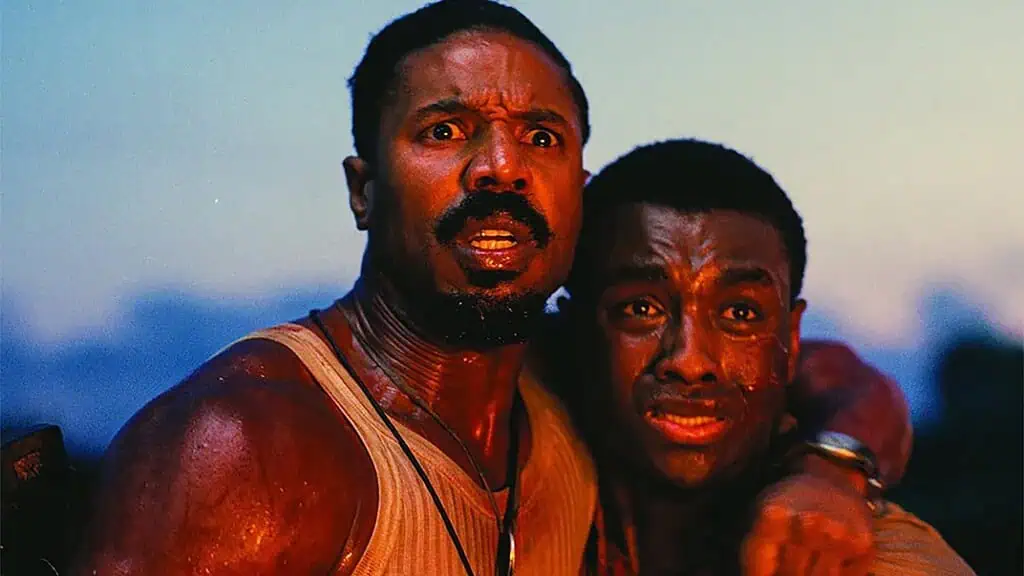
Browse through any bunch of comments or reviews for “Sinners” and you’ll find no shortage of viewers yelling “woke” and “anti-American” and “divisive” and any number of other woefully nonsensical political terms that all point to discomfort or prejudice against the film’s unvarnished and apologetic account of Black history.
But that refusal to water down its perspective or to pull its punches is exactly what makes “Sinners” so powerful. And that extends, too, to its similar embrace of overt, sometimes raunchy sexuality and its gruesome violence and supernatural horror.
Audiences nationwide have already proven that they’re hungry for that kind of no-holds-barred, unapologetic filmmaking, especially when a technical master like Coogler applies that approach to an unblinking look at his own cultural history, but the Academy is (pretty famously) not often in tune with general audiences.
And that’s why, even for all of the pushback against “One Battle After Another” from the conservative right, and even with its significant box office loss, there still may be a lot of Academy members that would rather vote for it over “Sinners.”
Catch Brett Fieldcamp’s film column weekly for information and insights into the world of film in the Oklahoma City metro and Oklahoma. | Brought to you by the Oklahoma City Museum of Art.

Brett Fieldcamp is the owner and Editor in Chief of Oklahoma City Free Press. He has been covering arts, entertainment, news, housing, and culture in Oklahoma for nearly two decades and served as Arts & Entertainment Editor before purchasing the company from founder Brett Dickerson in 2026.
He is also a musician and songwriter and holds a certification as Specialist of Spirits from The Society of Wine Educators.