OKLAHOMA CITY – With the new year finally underway, all eyes in film turn, inevitably, to the awards race and the once again impending Oscar season, and in this column, that means full, detailed breakdowns of each major contender and its chances at Academy glory.
With a little over two weeks left before the nominations are announced and a little over two months before the awards themselves are handed out, it might seem a bit premature to kick off this series and start talking odds and assumptions already.
But there’s one film that’s already an absolute, no-brainer lock for a Best Picture nomination, and after its big win this weekend at the Critics’ Choice Awards, it’s time to start talking about its path to Oscar gold.
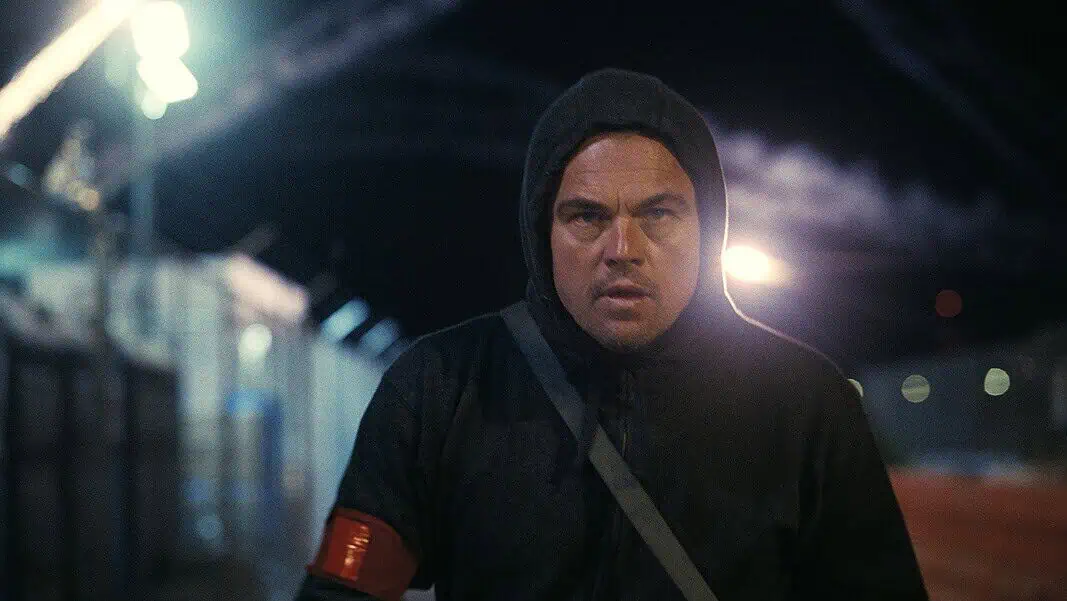
That film, of course, is “One Battle After Another,” Paul Thomas Anderson’s frantic, madcap action-comedy about the secret, violent worlds beneath the surface of American life and the missteps we make in teaching our children how to navigate them.
No other film from 2025 has so readily presented itself as an awards frontrunner – already nabbing practically every single critic award – and arguably no other film from 2025 (outside of some particularly divisive summer blockbusters) has received as much attention, for both better and worse.
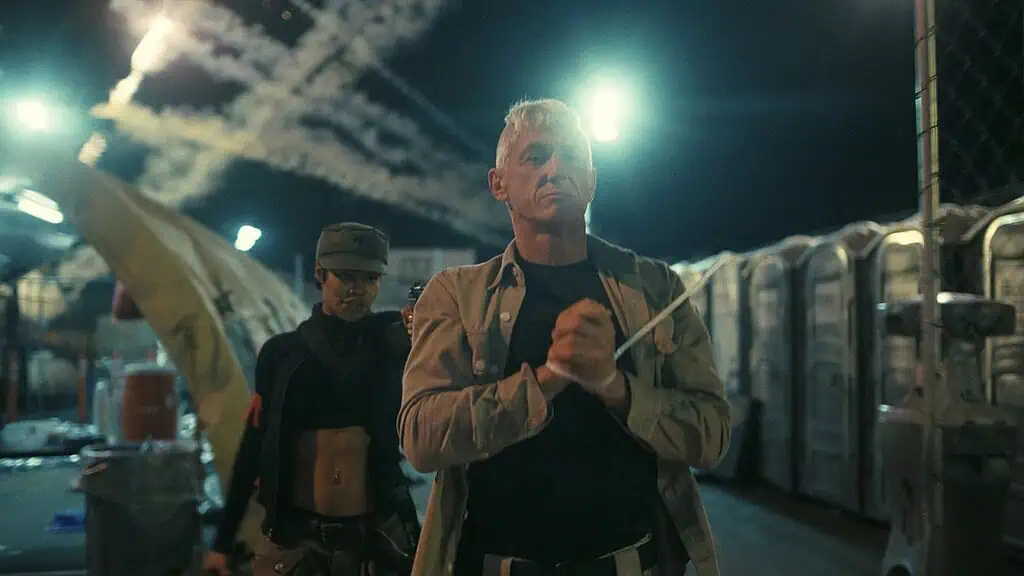
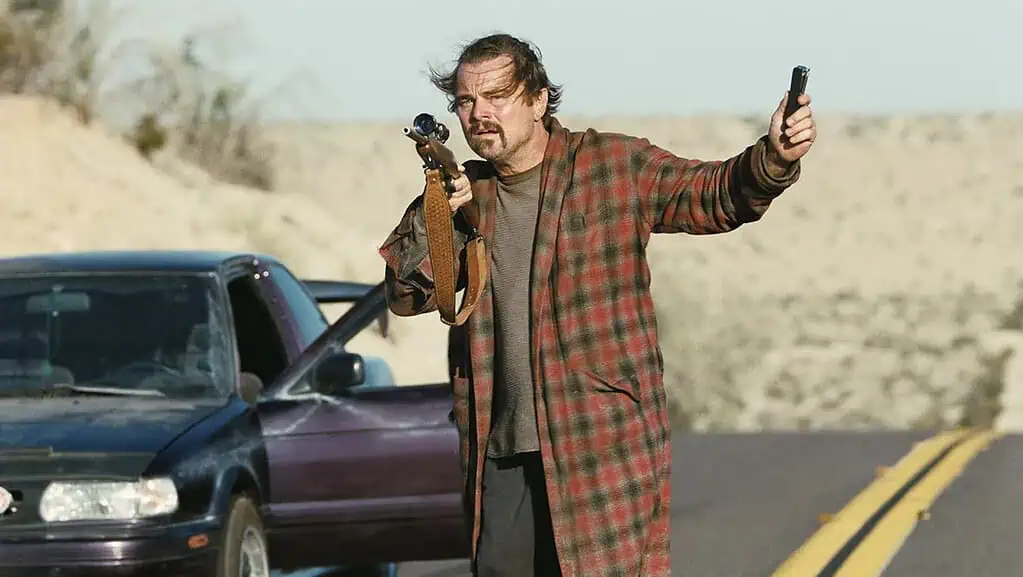
Based – albeit loosely – on the 1990 novel “Vineland” by the notoriously reclusive and adaptation-averse Thomas Pynchon, “One Battle After Another” sees Leonardo DiCaprio starring as Bob, a single father and former left-wing terrorist in hiding following his partner’s tail-turning years before.
When an old nemesis from the US military rears his head again with his sights set on Bob’s teenage daughter and the loose ends that she might represent, it all goes quickly off the rails into car chases, protest diversions, and gunplay.
It’s a tangled yarn of freedom fighting leftist groups and goofy, murderous, ritualistic Christian nationalists, of bounty hunter networks and underground immigration railroads, and of the drugs that keep us docile and the thinly veiled lies that keep the wheels of commerce and law rolling.
But all of that is just a backdrop, of course, to Anderson’s real focus: the endlessly fraught and complicated father-daughter dynamic. And that’s where the cast and the story really shine.
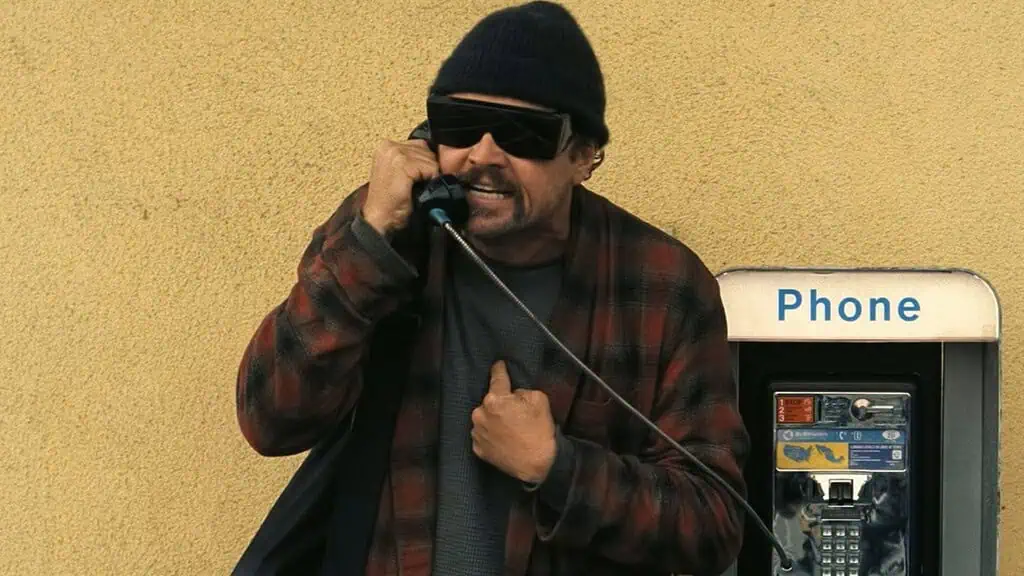
DiCaprio doesn’t necessarily push himself to great lengths as Bob, but he gets to stretch his too-long dormant comedy and slapstick muscles a bit, and he gets to establish himself once and for all in a fully adult role that forgoes any boyishness and makes him look every bit like his real-life 50 years.
He gets to play confused, frazzled, and scared in ways that he hasn’t in a long time, and he pulls it all off with a believably fatherly drive that anchors the whole farce in something genuine and surprisingly deep, especially when things turn serious.
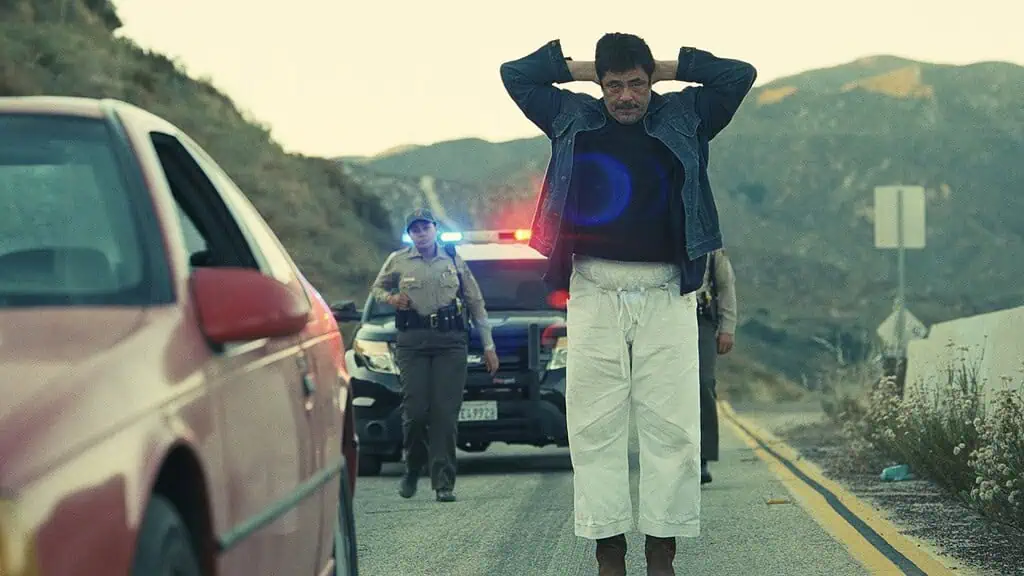
But it’s the supporting cast that elevates the film, with a high-octane turn from Teyana Taylor, a skin-crawling and unforgiveable villain from Sean Penn, an endlessly watchable and entertainingly patient “sensei” from Benicio del Toro, and the undisputed breakout that is Chase Infiniti as Bob’s daughter on the run.
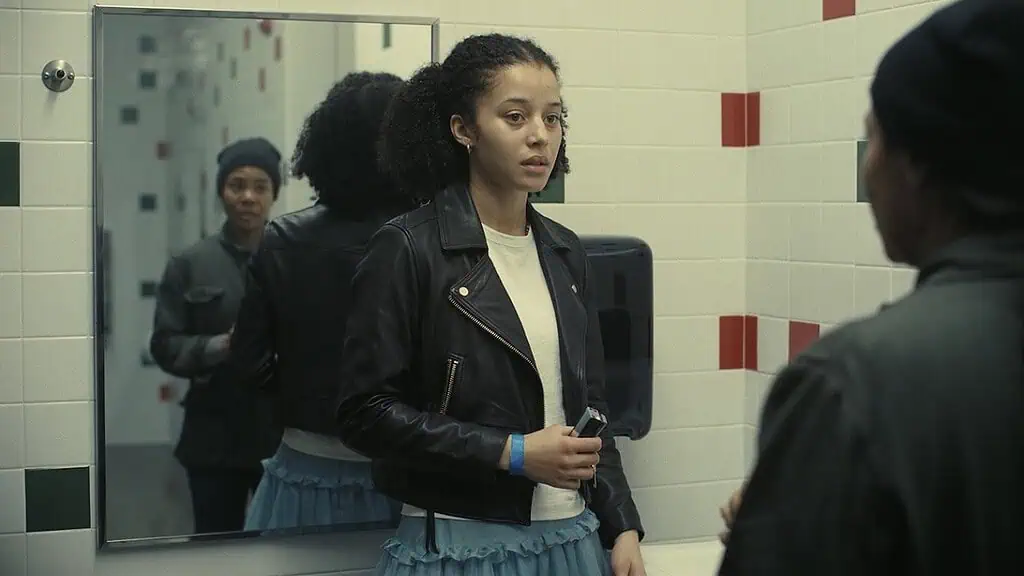
It’s frenetic, powerful, and gorgeously shot with grit and grain on VistaVision, but above all, it’s fun. It’s fun and wild and enjoyable in a way that most high-profile movies just aren’t these days and in a way that just already feels classic.
And it feels like a significant departure for the director of glacially slow burns like “The Master” and “Phantom Thread,” or broadly existential, soul-baring epics like “There Will Be Blood” or “Magnolia” (two films that I rank among my very favorites of all-time.)
Those were films that maybe present themselves with more poise and prestige, but that just didn’t have the juice to make headlines the same way.
And while those headlines are driving all the awards buzz and Oscar chatter, there’s still a strong chance that they could drag down its hopes at the last minute.
That’s because the Academy doesn’t always play well with controversy, and “One Battle After Another” wears its controversy right on its face.
Its heroes are unapologetically leftist terrorists, its villains are Christmas-obsessed capitalist power brokers and smarmy, fetishistic Army men, and its most level-headed and memorable character is an illegal migrant smuggler.
Unsurprisingly, the country’s conservative right-wing wasn’t won over by it, no matter how pulse-pounding the car chases or how riotous the slapstick, with talking heads decrying its “Antifa” sentiments and even deeming it “dangerous” and “irresponsible.”
Whereas none of that matters to the reviewers that make up the Critics’ Choice voters or the Hollywood Foreign Press Association behind the Golden Globes (where “One Battle” looks ready to win big,) it could have a cooling effect at the Oscars.
Let’s not forget that the Academy boasts a huge number of high-level producers and studio executives, and there’s just no way around the fact that, in 2026, those figures might be thinking about protecting investments and merger plans that need FCC approval.
We’ve already seen the lengths that studios and their parent companies will go to in order to avoid painting a target on their backs, with Paramount already cutting Stephen Colbert loose and overhauling its entire CBS brand to fit into the conservative media playbook.
A lot of other Hollywood power players might not want to rock the boat this year.
But there’s another element that’s been turning producers and executives away from “One Battle After Another,” and it’s not nearly as political.
It’s technically a flop.
Despite all the buzz, the accolades, the glowing reviews, and the undeniable fun factor, Anderson’s film actually lost roughly $100 million for Warner Bros. in its theatrical run, thanks to its big budget cast and sprawling scale.
It feels unlikely that all those producers and studio heads would award a film that lost so much money, especially as a win would practically be encouraging more filmmakers to do the same.
So yes, “One Battle After Another” is assuredly the frontrunner for Best Picture, and it just as assuredly deserves to take home the trophy, but if I were Paul Thomas Anderson, I wouldn’t be making room on my mantle just yet.
Even for movies and awards shows, all bets are off in 2026.
Catch Brett Fieldcamp’s film column weekly for information and insights into the world of film in the Oklahoma City metro and Oklahoma. | Brought to you by the Oklahoma City Museum of Art.

Brett Fieldcamp is the owner and Editor in Chief of Oklahoma City Free Press. He has been covering arts, entertainment, news, housing, and culture in Oklahoma for nearly two decades and served as Arts & Entertainment Editor before purchasing the company from founder Brett Dickerson in 2026.
He is also a musician and songwriter and holds a certification as Specialist of Spirits from The Society of Wine Educators.